
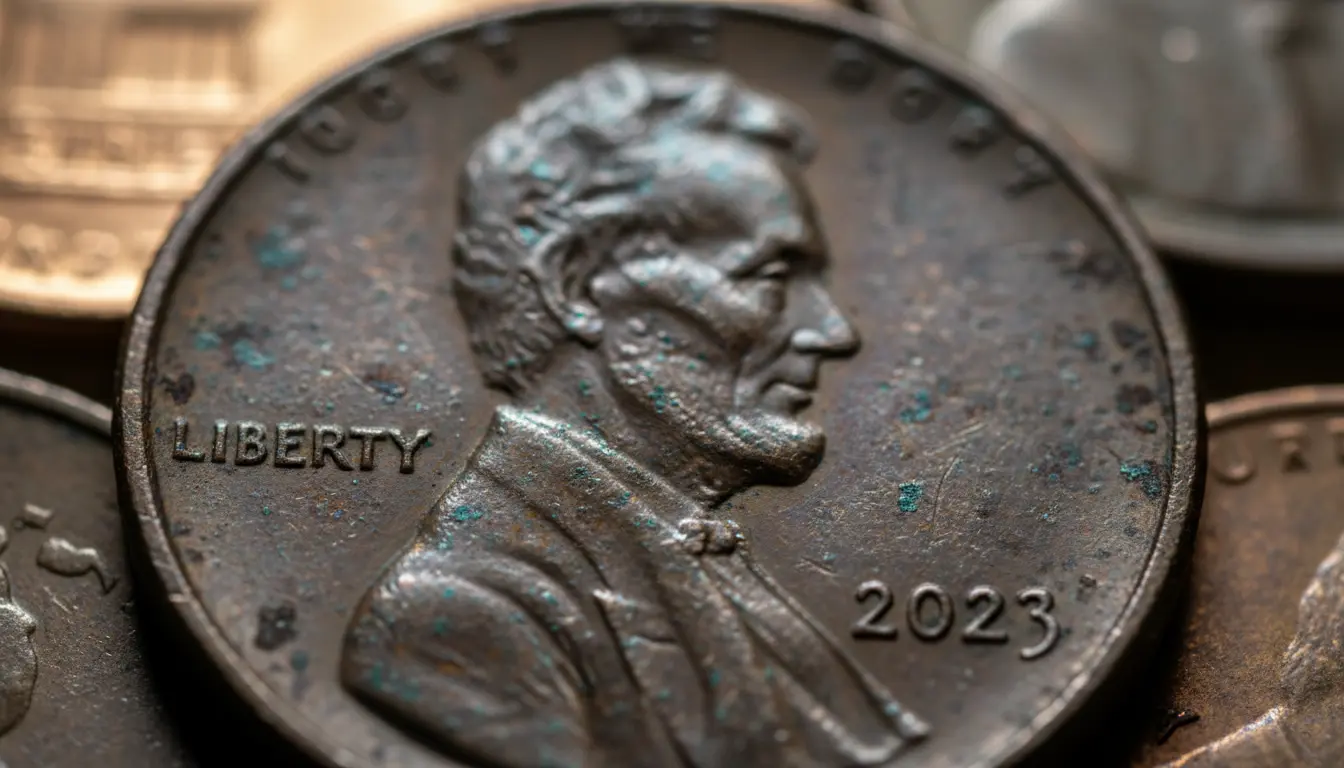
Most pennies from 1943 were made of zinc-coated steel because copper was reserved for war production. A small number of 1943 pennies were struck on copper planchets by mistake, and those errors can be extremely valuable. This article explains why a 1943 copper Lincoln wheat penny is rare, how to identify one, and what to do if you find one in circulation.
Why the 1943 copper penny is rare
In 1943 the U.S. Mint switched from copper to steel to save copper for wartime needs. The vast majority of 1943 cents are steel and magnetic. A 1943 copper penny is an anomaly caused by a copper planchet being left in the press or mixed in by accident.

Because only a handful of these copper strikes exist, confirmed examples receive extreme collector interest and high auction prices. Reports and auction results have shown sales in the seven-figure range for authenticated specimens.
1943 Lincoln Wheat penny historical context
The Lincoln wheat cent design ran from 1909 to 1958. In 1943, wartime metal needs led to the temporary change to zinc-coated steel. That change is what makes any copper 1943 cent immediately suspect and valuable if genuine.
How to identify a 1943 copper penny
Identifying a true 1943 copper penny requires careful observation and tests. Many counterfeits and altered coins exist, so follow these practical checks before assuming you’ve found a rare piece.
Physical checks
- Look at the color: Genuine copper will have a brown or reddish tone, not silver-gray like steel.
- Magnet test: Copper is non-magnetic. If a magnet sticks, the coin is steel and not copper.
- Weight test: A genuine copper cent weighs about 3.11 grams. Steel cents are lighter and feel different in hand.
Visual and marking checks

Examine the date area and surfaces closely. Signs of tampering include filed edges, altered dates, or added color to simulate copper. Look for:
- Tool marks or filling near the rim or date
- Uneven patina or surface treatment that hides tooling
- Mismatch between expected wear and the coin’s apparent composition
Steps to authenticate a suspected 1943 copper Lincoln wheat penny
If your preliminary checks are positive, take cautious, documented steps to authenticate and protect the coin. Authentication is essential before any sale or valuation.
- Photograph the coin at high resolution from multiple angles. Include scale and lighting notes.
- Avoid cleaning or polishing; cleaning destroys value and makes authentication harder.
- Take the coin to a reputable local coin dealer for an initial opinion. Choose someone with strong reviews and membership in numismatic organizations.
- Submit the coin to a respected third-party grading service such as PCGS or NGC for authentication and encapsulation.
- If authenticated, consult specialized rare-coin auction houses for valuation and sale options.
How much is a 1943 copper penny worth?
Value depends on authenticity, provenance, and condition. Confirmed 1943 copper pennies have sold for high prices at auction—reported results have reached into the seven-figure range for pristine, certified examples.

Less perfect or suspect coins will be worth far less, and altered or counterfeit pieces may be worthless or costly to fix. Authentication and professional grading are the only reliable way to determine market value.
What to do if you find a 1943 copper penny in circulation
Discovering a potential 1943 copper penny can be exciting, but acting carefully preserves value and avoids mistakes.
- Do not clean, bend, or otherwise alter the coin.
- Store it in a soft, inert holder such as a coin flip or small envelope labeled with the date and where you found it.
- Document the find: note the date, location, and any witnesses.
- Seek multiple opinions from reputable dealers before deciding on authentication or sale.
Practical tips for choosing an authenticator
- Use services with a strong reputation: look for PCGS or NGC submission options.
- Ask about fees, return policies, and insurance during shipment.
- Request a written certificate and numbered holder if the coin is authenticated.
Most 1943 cents are zinc-coated steel, not copper. A true 1943 copper penny is one of the most famous modern mint errors and has attracted intense collector interest for decades.
Case study: Finding, authenticating, and selling a rare penny
A practical example helps show the right steps. A private individual found a brown-toned 1943 cent in a jar of mixed spare change. Initial tests showed it was non-magnetic and weighed like a copper cent.
The finder photographed the coin, avoided cleaning it, and took it to a trusted local dealer. The dealer advised submitting the coin to a major grading service. After authentication and encapsulation, the coin was offered at auction and sold to a collector. The process highlighted the importance of documentation, professional authentication, and patient market research.
Final advice for collectors and finders
The discovery of a 1943 copper Lincoln wheat penny can be life changing, but the outcome depends on careful handling and credible authentication. Do not act on impulse, and avoid quick sales to unknown buyers without reviews.
Follow documented steps, consult respected professionals, and preserve the coin’s condition to maximize transparency and value.
If you think you have found a 1943 copper penny, follow the authentication steps above and reach out to a reputable numismatic service for a final determination.