
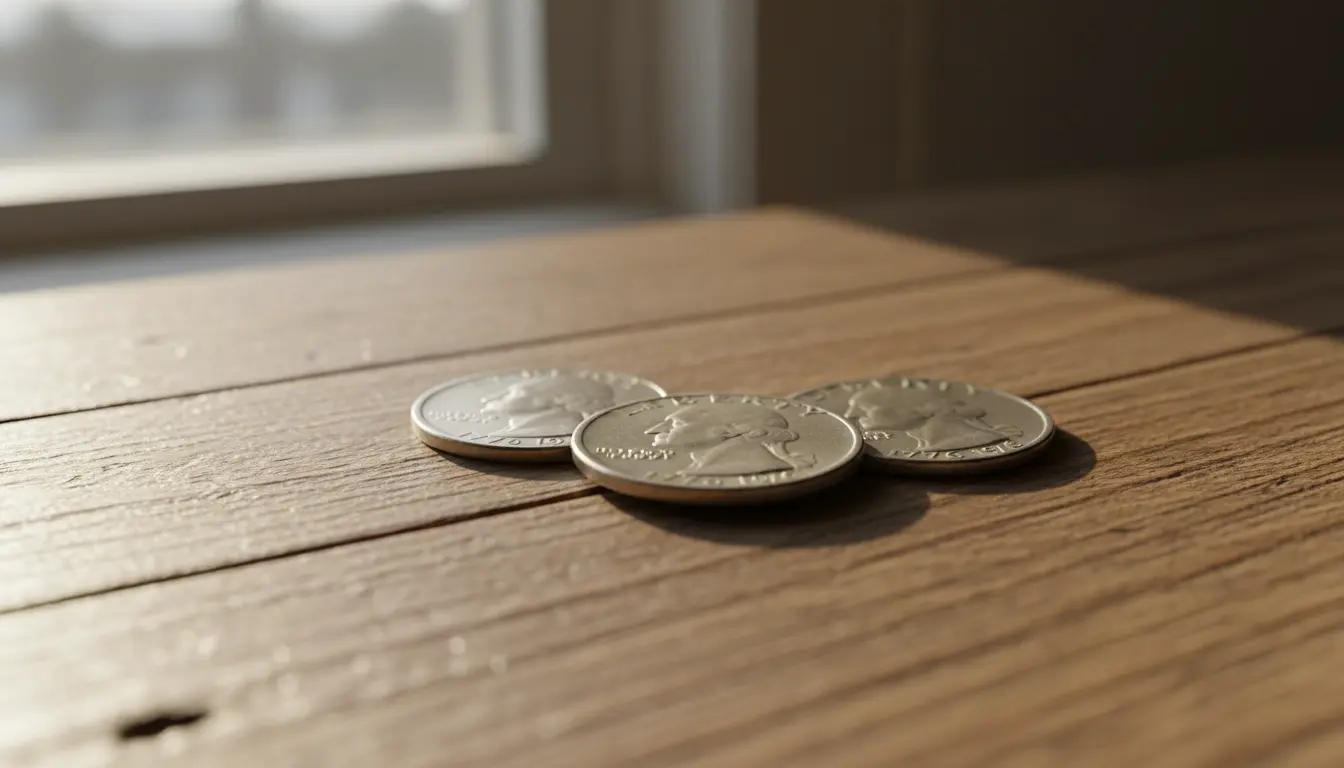
The 1976 Bicentennial quarter is one of the most recognizable U.S. coins. Most examples in circulation are common and worth face value, but a few types can be collectible or valuable. This guide explains which 1976 Bicentennial quarters to keep, how to identify them, and what steps to take if you find a promising piece.
Why 1976 Bicentennial Quarters are collectible
The Bicentennial quarter (dual-dated 1776–1976) celebrates America’s 200th anniversary. It features a special reverse design of a drummer and a colonial torch, which attracts collectors.

Collectibility comes from several factors: mint origin, composition, condition, and minting errors. Each factor can push a coin’s value well above face value if it is rare or in exceptional condition.
Most collectible 1976 Bicentennial Quarters still circulating
When people talk about 1976 Bicentennial quarters worth money while circulating, they usually mean a few specific categories. Below are the types to look for and why they matter.
1. 1976-S 40% Silver Collector Quarters
For the Bicentennial year the U.S. Mint produced special 40% silver-clad quarters for collectors in San Francisco. While these were mostly sold in sets, examples occasionally enter circulation through estate mixes or dealer mistakes.

Why they matter:
- Silver-clad composition gives intrinsic metal value above face value.
- Proof and uncirculated silver pieces in high grades command collector premiums.
2. High-Grade Circulation Survivors
A sharp, well-struck Bicentennial quarter with minimal wear can interest collectors. Look for strong detail on the drummer, drumsticks, and Washington’s hair and cheek.
- Uncirculated (MS60+) examples are more valuable than worn pieces.
- Collectors prize coins with full fields and no bag marks.
3. Mint Errors and Varieties
Error coins are the most likely circulating finds to fetch a premium. Common error types include:
- Off-center strikes
- Clipped planchets
- Broadstrikes
- Doubled dies (obverse or reverse)

The size and clarity of the error determine value. Small strikes might be worth tens of dollars, while dramatic, clear errors can fetch hundreds or more at auction.
How to inspect a 1976 Bicentennial Quarter
Checking a coin carefully helps determine if it is collectible. Use a loop (10x magnifier) and good light. Follow these practical steps.
Quick inspection checklist
- Check the mintmark: S indicates San Francisco special issues; D is Denver; no mintmark means Philadelphia for this era.
- Look for silver color or evidence of silver-clad layers on the edge (thin silver band on a 40% silver piece).
- Inspect the reverse drummer and obverse bust for sharpness and doubling.
- Search the rim for clips, broadstrike characteristics, or planchet flaws.
How collectors value these quarters
Values depend on composition, condition, and rarity. General ranges to expect:
- Typical circulated clad quarter: face value (25 cents).
- 1976-S 40% silver in average condition: modest premium over face value; in uncirculated proof sets or high grades, larger premiums apply.
- Clear mint errors and high-grade specimens: can range from tens to hundreds or more depending on demand and grade.
Always cross-check marketplace sales (auction sites, coin dealers, and price guides) to see recent realized prices before assuming a value.
What to do if you find a potentially valuable 1976 quarter
If you think you found a valuable 1976 Bicentennial quarter, take careful steps to preserve and verify it.
Recommended actions
- Do not clean the coin. Cleaning can destroy value.
- Handle by the edges and store in a soft flip or capsule.
- Get clear photos or scans from several angles including the rim.
- Compare with reference photos from trusted numismatic sites and auction records.
- If it looks like an error or silver piece, consider professional grading or a dealer opinion.
The Bicentennial quarter was produced only with the dual 1776–1976 date; no quarters dated 1975 exist. Special 40% silver collector versions were struck in San Francisco alongside standard copper-nickel clad circulation coins.
Small real-world example
A collector reported finding a dramatic off-center 1976 Bicentennial quarter in pocket change. After photographing the coin and consulting an online error-coin forum, they had the piece authenticated by a dealer. The verified off-center coin sold through an auction site for a price far above face value, illustrating how striking errors can transform a common coin into a collectible.
Summary and practical tips
Most 1976 Bicentennial quarters you find will be worth 25 cents, but keep an eye out for these valuable types: 1976-S 40% silver examples, high-grade circulation survivors, and clear mint errors. Careful inspection, documention, and professional verification are key steps when you think you’ve found something special.
If you collect or hunt in pocket change, maintain a small loupe, a soft holder, and a reference guide or list of reputable auction results. That way you can quickly separate routine finds from potential treasures worth further attention.