
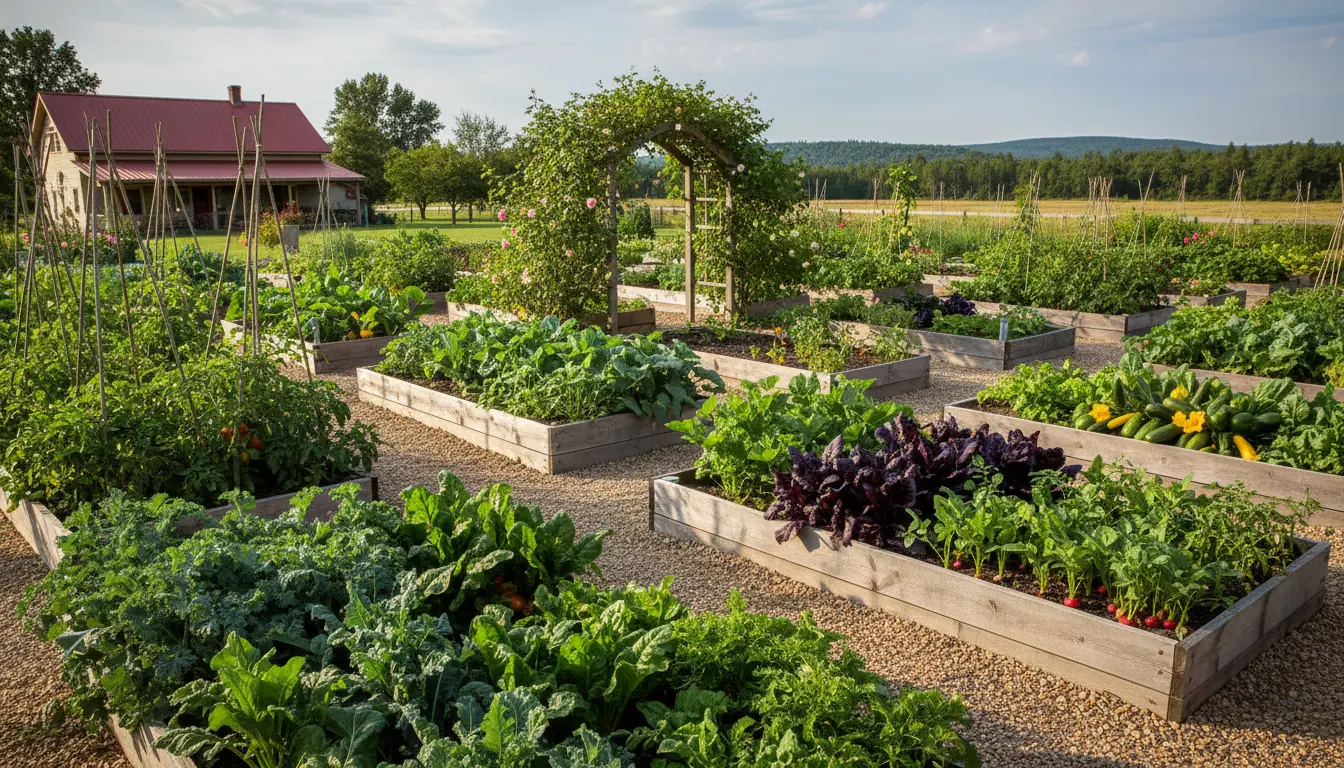
Starting a vegetable garden is a practical way to grow fresh food and learn new skills. This guide breaks the process into clear steps so you can start a vegetable garden with confidence.
Choose the Best Site to Start a Vegetable Garden
Good location makes gardening easier. Pick a spot that gets at least 6 hours of sunlight per day for most vegetables.

Also check for level ground, access to water, and good drainage. Avoid low spots that stay soggy after rain.
Sun, Soil, and Access
Full sun helps plants produce more. If you only have partial sun, choose shade-tolerant vegetables like leafy greens.
Make sure you can carry a watering hose or use a nearby tap. Convenience increases the chance you’ll keep up with care.
Prepare Soil Before You Plant

Healthy soil is the foundation of a productive garden. Start by testing soil if possible, or observe texture and drainage.
Most vegetables grow best in loose, well-draining soil rich in organic matter. Amend heavy clay or sandy soils with compost to improve structure.
Soil Preparation Steps
- Remove weeds and grass from the chosen bed area.
- Work in 2–4 inches of compost or well-rotted manure across the top 6–8 inches of soil.
- Rake the bed smooth and form raised rows if your site has slow drainage.
Make a Simple Planting Plan
Plan what to grow based on season, space, and your diet. Start with easy crops like tomatoes, lettuce, beans, radishes, and zucchini.

Use succession planting to get steady harvests. For example, sow lettuce every 2–3 weeks rather than all at once.
Spacing and Companion Tips
Follow seed packet spacing to avoid crowding. Overcrowded plants produce less and invite disease.
Consider companion planting: basil near tomatoes can help with flavor and may deter pests, while marigolds can reduce some soil nematodes.
Planting: Seeds vs. Transplants
Decide whether to start from seed or buy transplants. Seeds are cheaper and offer more variety, while transplants give a head start on the season.
Direct-sow root crops (carrots, beets) and quick greens. Use transplants for slow-starting crops like tomatoes and peppers.
Watering and Ongoing Care
Consistent watering is critical. Most vegetable beds need about 1 inch of water per week, more in hot weather.
Water at the base of plants in the morning to reduce leaf wetness and disease risk. Mulch around plants to retain moisture and suppress weeds.
Fertilizing and Monitoring
Use a balanced organic fertilizer if growth is slow after plants are established. Follow label rates and observe plant response.
Inspect plants weekly for pests, disease, and nutrient issues. Early detection makes problems easier to fix.
Pest Control and Disease Prevention
Use integrated pest management (IPM) practices: cultural controls, physical barriers, beneficial insects, and targeted organic treatments.
Examples include floating row covers to keep insects off young plants and hand-picking larger pests like slugs.
Common Problems and Quick Fixes
- Yellow leaves: Check watering and soil fertility.
- Holes in leaves: Look for caterpillars, beetles, or slugs and remove them by hand.
- Powdery spots: Improve air circulation and remove infected leaves.
Mulching can reduce water loss by up to 70% and suppress many common weeds, saving time on maintenance and improving yields.
Seasonal Tips to Extend Harvests
Use cold frames or row covers to extend the season in spring and fall. Plant fast-maturing crops in late summer for a fall harvest.
Rotate families of vegetables between beds yearly to reduce soil-borne disease build-up and nutrient depletion.
Small Case Study: A 4×8 Raised Bed That Worked
Sarah, a beginner gardener, used a single 4×8 raised bed to learn quickly. She filled it with a 60/40 mix of compost and topsoil and planted tomatoes, leaf lettuce, bush beans, and radishes.
She watered consistently in the morning, mulched with straw, and added compost mid-season. By the end of the first year she had weekly harvests of salad greens and tomatoes enough for her family of three.
Key wins: simple layout, regular watering, and starting with easy crops. Sarah expanded to two beds the next year.
Quick Checklist to Start a Vegetable Garden
- Choose sunny site with good access to water
- Prepare soil with compost and remove weeds
- Decide seeds or transplants and follow spacing
- Mulch, water at the base, and monitor weekly
- Use organic pest controls and rotate crops annually
Starting a vegetable garden is a step-by-step process that favors planning and consistent care. With the basics covered, you’ll be harvesting fresh produce and learning a rewarding new skill.