
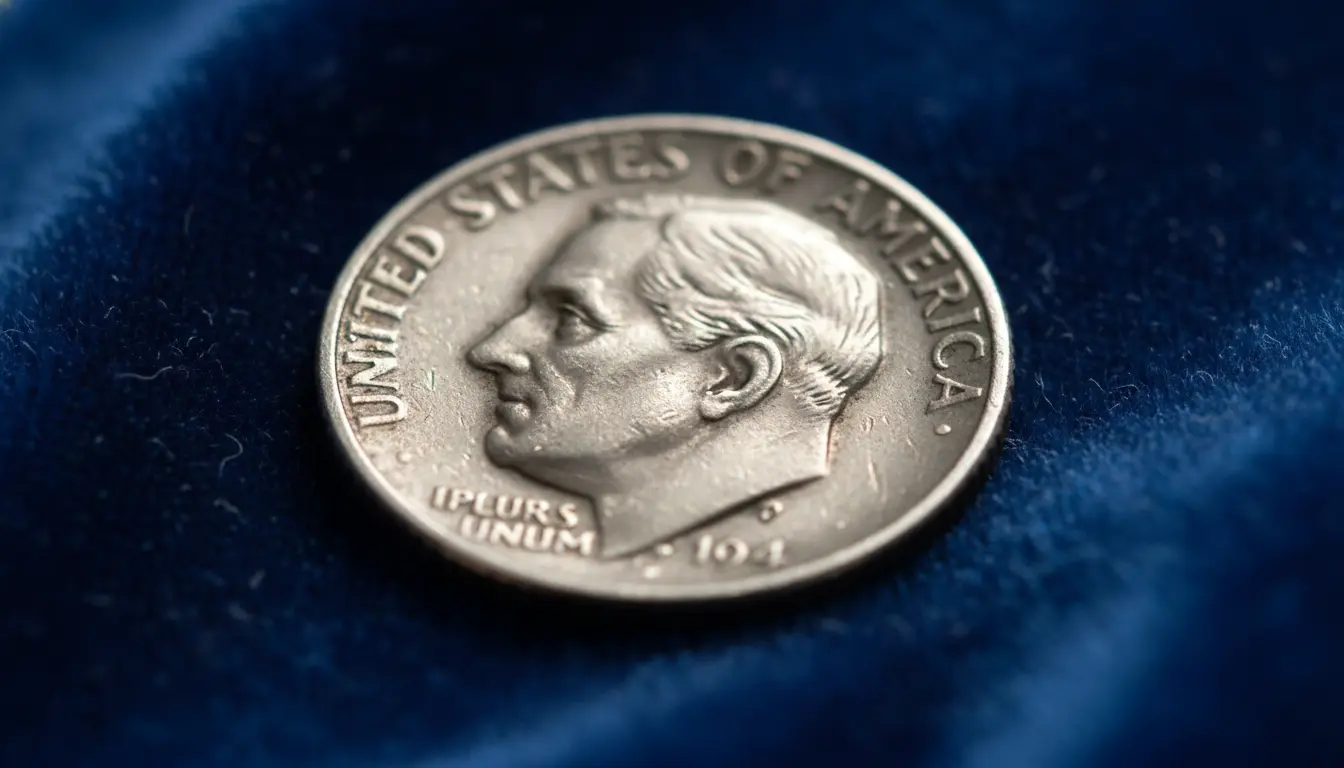
Understanding the 1940s Roosevelt Dime Surprise
The Roosevelt dime was introduced in 1946 and replaced the Mercury dime. Many dimes minted in the late 1940s are 90% silver and can hide unexpected value in the form of errors or rare varieties.
When collectors talk about a “1940s Roosevelt dime surprise” they usually mean discovering a mint error, a scarce variety, or an unusually high-grade example that significantly increases the coin’s worth.
Why 1940s Roosevelt dimes can be surprising

These dimes were produced in large numbers but were circulated heavily for decades. That combination creates two effects: valuable mint mistakes can be overlooked, and high-grade survivors are scarce and sought after.
Common factors that create surprises include mint errors, repunched mint marks, die clashes, and coins preserved in exceptional condition.
Key features to check on a 1940s Roosevelt dime
Inspect the coin carefully with proper tools: a 10x loupe, good lighting, and a soft pad to protect the coin. Focus on a few high-value diagnostic areas to spot surprises quickly.
- Mint mark area — Look for repunched mint marks (RPM) or dots where a mint mark was punched twice.
- Devices and fields — Check for doubling on Roosevelt’s profile, date, or torch that may indicate a doubled die.
- Edges and planchet — Look for clipped planchets, laminations, or other irregularities that point to mint errors.
- Overall strike and wear — A sharp strike and minimal wear dramatically affect value, especially for coins made before large-scale modern saving.
Tools for identifying surprises

Use these basic tools to inspect a 1940s Roosevelt dime:
- 10x jeweler’s loupe
- Bright, diffuse light
- Scale and caliper for precise measurements
- Reference books or online databases for varieties and die markers
Common error types that cause surprises
Errors are the most likely source of a surprise value shift. Learn the common types so you can sort quickly and decide what to investigate further.
- Doubled die — Doubling visible on the date, lettering, or portrait. True doubled dies occur during die making and can be valuable.
- Repunched mint mark (RPM) — A mint mark punched more than once. RPMs are collectible and often cataloged.
- Off-center strikes — The design is off the planchet; value depends on degree and completeness of design.
- Clipped planchet and lamination errors — Missing metal or surface separations that can attract specialist interest.
How to evaluate the 1940s Roosevelt dime surprise
After identifying a potential surprise, perform a structured evaluation to set expectations before investing time or money in grading or sale.
- Verify the error or variety using trusted references or online variety guides.
- Compare against high-quality photos from auction houses or certified-coin databases.
- Decide whether professional grading is worthwhile based on rarity and expected value uplift.
- Keep detailed notes and photos of the coin for provenance and sale listings.
When to get professional grading

Professional grading is advisable when you believe the coin is a rare variety, a major mint error, or a high-grade example that would command a premium in the market.
Grading protects buyers and sellers and can reveal attributes invisible to the untrained eye. However, grading costs and turnaround time must be weighed against likely price increases.
The Roosevelt dime was first struck in 1946 to honor President Franklin D. Roosevelt. Dimes from 1946 through 1964 contain 90% silver, which gives them intrinsic metal value in addition to any collector value.
Buying and selling tips for surprising 1940s Roosevelt dimes
If you find a surprising dime, use careful channels to realize its value. Avoid impulsive online sales without proper documentation.
- Get high-resolution photos from multiple angles for listings or appraisals.
- Use reputable auction houses or coin dealers for rare varieties and high-grade coins.
- For modest surprises, local coin shops or regional auctions may be faster and cost-effective.
- Keep records of provenance, prior sales, and grading reports when available.
Practical example: Case study
Case study: A local collector found a 1946 Roosevelt dime with an unusual doubling on the date. After comparing images with an online doubled-die database, the collector sent the coin to a grading service.
The slab revealed a certified doubled-die attribution and a high grade. The coin sold through a specialist auction for several times typical bullion value, demonstrating the payoff of careful verification and professional grading.
Final checklist for handling a 1940s Roosevelt dime surprise
- Inspect with a loupe and good light
- Compare with trusted reference sources
- Photograph the coin clearly and save images
- Consider professional grading for rare or high-grade finds
- Choose a reputable sales channel based on expected value
Discovering a 1940s Roosevelt dime surprise can turn a small coin into an interesting collectible or a valuable sale. Use methodical inspection, good references, and trusted professionals to make the most of any find.