
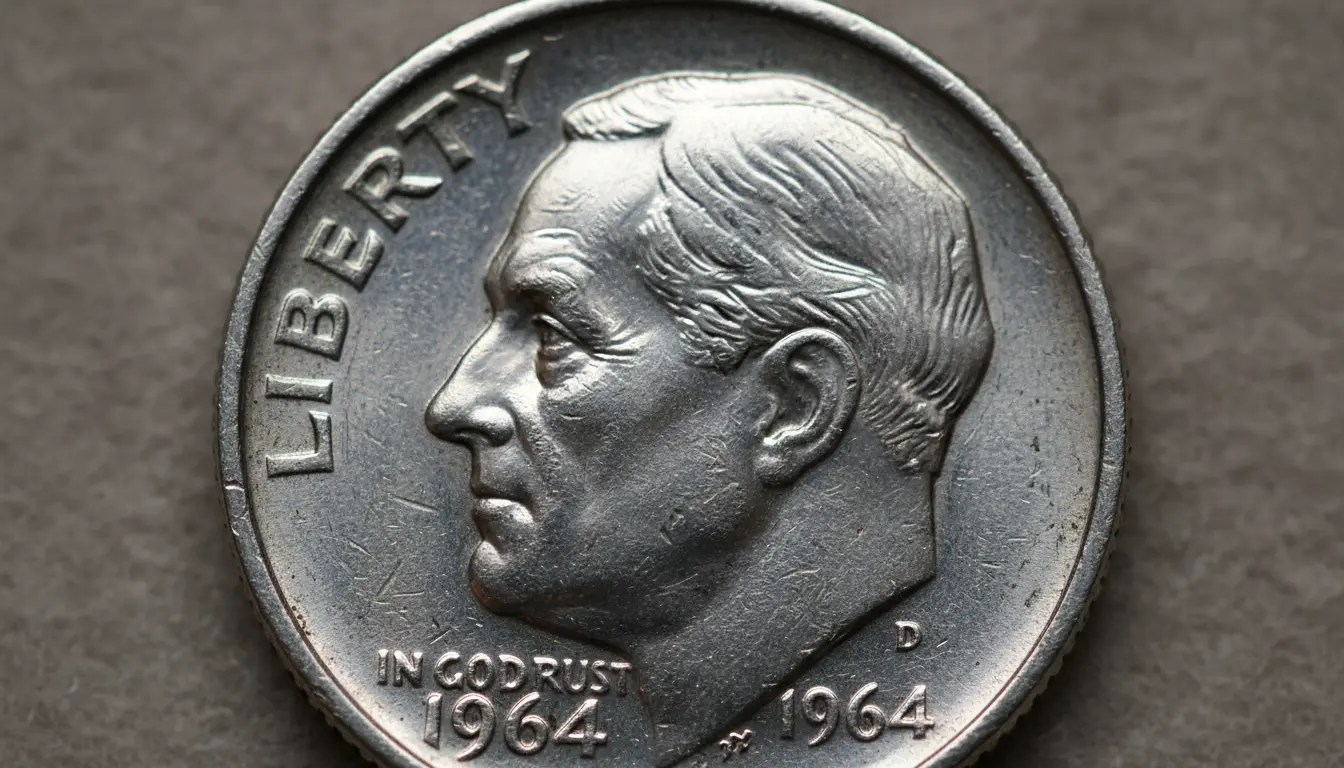
Understanding the Roosevelt Dime in 2025
The Roosevelt Dime remains a common U.S. coin in circulation. Its role in everyday transactions and its physical characteristics determine how it impacts wallets, coin machines, and collectors.
This guide explains composition, wear, and real-world effects so you can judge which everyday coin leaves the bigger mark in 2025.
Roosevelt Dime composition and durability

The modern Roosevelt Dime (post-1965) is a clad coin made of a copper core sandwiched by layers of copper-nickel. This composition was chosen for durability and cost control.
Because of the copper-nickel outer layers, dimes resist corrosion but show surface wear differently than pure copper or silver coins.
Key physical traits of the Roosevelt Dime
- Weight: 2.268 grams
- Diameter: 17.91 mm
- Composition: Copper core with copper-nickel cladding
- Edge: Reeded
How the Roosevelt Dime compares to other everyday coins
When comparing coins like the penny, nickel, dime, and quarter, consider size, metal, and edge type. These factors influence which coin leaves a bigger mark on surfaces and machines.

Dimes are small but dense. Quarters are larger and heavier, and pennies (zinc with copper plating since 1982) show different wear and corrosion patterns.
Wear and marking tendencies by coin
- Penny: Prone to corrosion and surface pitting due to zinc core.
- Nickel: Solid cupronickel tends to scratch but resists corrosion.
- Dime (Roosevelt): Small size concentrates contact forces; often causes fine abrasions on metal surfaces and tight slots.
- Quarter: Larger surface area distributes force and can leave broader marks on soft surfaces.
Which coin leaves a bigger mark physically?
Physically, a coin that leaves the “bigger” mark depends on the surface it contacts. On soft materials like plastic or painted metal, larger coins like quarters tend to leave more visible scuffs.
On precision devices or edges, the dime’s smaller diameter and reeded edge can create concentrated wear or jams, which might be more damaging in some contexts.
Practical factors that change marking impact
- Contact pressure: Smaller coins concentrate pressure.
- Edge design: Reeded edges cut or abrade surfaces differently than smooth edges.
- Material hardness: Softer surfaces show deeper marks.
- Frequency of use: Coins used more often increase cumulative wear.

The Roosevelt Dime has been minted since 1946 and replaced the Mercury dime. Modern dimes use a copper core with a copper-nickel cladding to reduce cost while keeping similar appearance.
Impact in commerce and machines in 2025
Vending machines, parking meters, and coin sorters respond differently to coin shapes and sizes. In 2025, many machines use optical and weight checks, so the dime’s small size can trigger misreads more often than larger coins.
That misread can cause jams, rejected coins, or sensor wear — an economic cost for operators and a nuisance for users.
Operational considerations for businesses
- Coin acceptors should be calibrated for modern clad dimes.
- Regular cleaning reduces abrasive buildup from nicked dimes.
- Rolling and counting machines wear differently on reeded edges.
Case study: Small cafe coin handling in 2025
A neighborhood cafe tracked coin-related issues over three months. They recorded coin jams and sensor errors in an older espresso machine and a countertop coin sorter.
Findings: dimes caused 60% of sensor rejections despite being 35% of coins processed. The cafe upgraded sensors and added a maintenance schedule, which reduced downtime by 45%.
Takeaway: small coins like Roosevelt dimes can cause outsized operational problems when equipment is not maintained or calibrated.
What collectors and everyday users should know
Collectors focus on mint marks, year, and condition. Everyday users care about durability and handling. For both groups, the Roosevelt Dime remains a reliable, low-cost coin with predictable wear patterns.
Protect high-grade dimes with sleeves or flips and keep circulated rolls sorted to avoid additional abrasions during storage.
Practical tips for handling and storing dimes
- Use soft coin trays or rolls to reduce contact wear.
- Clean coin machines regularly to prevent abrasive debris buildup.
- For commerce: audit coin acceptors and update firmware for better detection.
Conclusion: Which coin leaves the bigger mark in 2025?
There is no single answer: quarters leave larger visible marks on soft materials, while Roosevelt dimes leave more concentrated wear in tight spaces and on machine sensors. The “bigger mark” depends on whether you measure visible surface damage or operational impact.
In practice, businesses should monitor their machines and choose maintenance and calibration practices that reduce the specific problems caused by each coin type.
Use the guidance above to assess your situation and choose simple actions—maintenance, storage, and calibration—that reduce the negative effects of coin wear in 2025.