
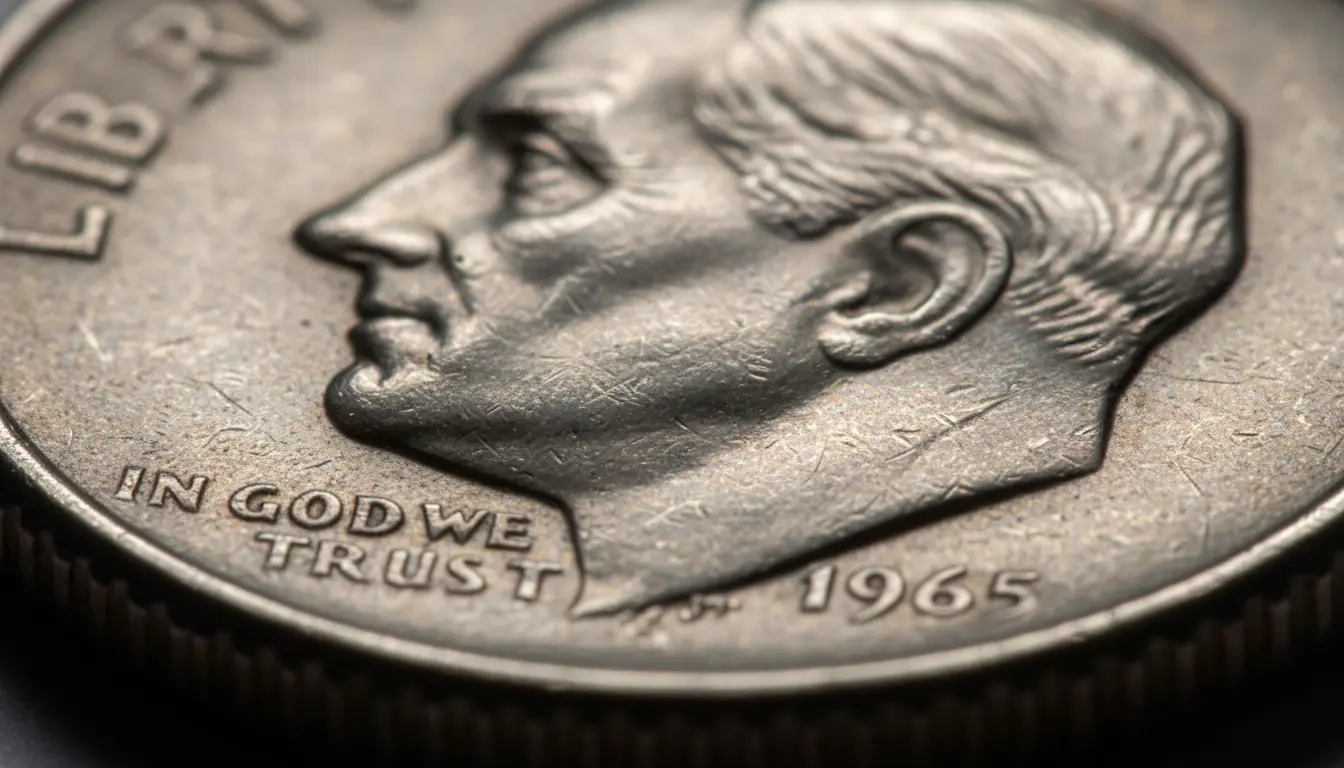
Finding a 1952 Silver Roosevelt dime can be exciting for collectors and newcomers alike. This practical guide explains how to identify the coin, check its condition, and estimate its value in clear, step-by-step terms.
How to Identify a 1952 Silver Roosevelt Dime Found
First, confirm the date and composition. Roosevelt dimes from 1946 through 1964 are 90% silver. A 1952 dime will have the date on the obverse (front) under Roosevelt’s portrait.

Next, check for a mint mark. The mint mark, if present, sits on the reverse near the top left of the torch or on the obverse depending on the year. For 1952 Roosevelt dimes, mint marks appear on the reverse to the left of the torch.
Key features of the 1952 Silver Roosevelt Dime Found
- Obverse: Portrait of Franklin D. Roosevelt with the date 1952.
- Reverse: Torch in center with olive branch and oak branch to each side.
- Metal: 90% silver, 10% copper (pre-1965 composition).
- Weight: Approximately 2.5 grams.
Mint marks and varieties
Common mint marks for 1952 dimes are:
- No mint mark — Philadelphia.
- D — Denver.
- S — San Francisco.
There are no widely known major die varieties for the 1952 Roosevelt dime, but close inspection under magnification can reveal minor die wear or doubling that may interest specialists.
Estimating Value for a 1952 Silver Roosevelt Dime Found

Value depends on condition, rarity, and current silver price. Most 1952 Roosevelt dimes are common and their baseline value is driven by silver melt value plus any collector premium.
Condition grades to consider
- Poor/Fair: Heavy wear, date and major features readable — often worth roughly silver melt value.
- Fine to Extremely Fine (F to XF): Moderate wear with clear devices — modest collector premium.
- About Uncirculated to Uncirculated (AU to MS): Minimal wear or uncirculated — higher premiums, can increase value significantly.
To get a current melt baseline, multiply the coin’s silver content (0.07234 troy ounces) by the current silver price per ounce. Add any numismatic premium depending on grade.
Quick valuation checklist
- Confirm date and mint mark under good light.
- Assess wear on high points: Roosevelt’s hair and the torch flames.
- Look for damage, scratches, or cleaning — these reduce value.
- For high-grade coins, consider third-party grading (PCGS, NGC) before selling.
How to Examine and Protect a 1952 Silver Roosevelt Dime Found
Handle the coin by its edges to avoid oils from your fingers. Use a soft cloth and a magnifier or loupe (10x) for inspection. Avoid cleaning the coin; cleaning can remove patina and reduce market value.

For storage, use inert holders such as Mylar flips, acid-free coin envelopes, or hard plastic slabs from a grading service. Keep coins in a cool, dry place to minimize tarnishing.
When to get professional grading
- If the coin appears uncirculated or near-perfect.
- If you see potential doubling, unusual toning, or die errors.
- If you plan to sell high-grade coins and want market recognition of quality.
Real-World Example
Example: A hobbyist found a 1952 D Roosevelt dime mixed in spare change. Under magnification the coin showed strong details and light contact marks, consistent with an About Uncirculated grade. After checking recent sales for similar condition coins, the owner listed it on a reputable auction site. The coin sold within a few days for a modest premium over melt value, illustrating how condition changes buyer interest.
This case shows two practical points: even common dates can fetch premiums when in excellent condition, and online marketplaces often connect sellers with interested collectors efficiently.
The Roosevelt dime was first issued in 1946 to honor President Franklin D. Roosevelt after his death. Dimes dated 1946–1964 contain 90% silver, making them both collectible and valuable for their metal content.
Selling or Keeping a 1952 Silver Roosevelt Dime Found
If you decide to sell, compare several options: local coin shops, online auction platforms, and coin shows. Each has trade-offs in fees, speed, and final price.
If you plan to keep the coin, document its condition with clear photos and a short note on where you found it. This helps track provenance and condition over time.
Summary checklist before selling or grading
- Verify date and mint mark clearly.
- Assess condition and look for damage or cleaning.
- Compare recent sale prices for similar grades.
- Consider professional grading for coins that appear uncirculated or better.
With careful inspection and sensible steps, a 1952 Silver Roosevelt dime found in pocket change can be properly identified and valued. Use this guide to make informed decisions about preservation and potential sale.