
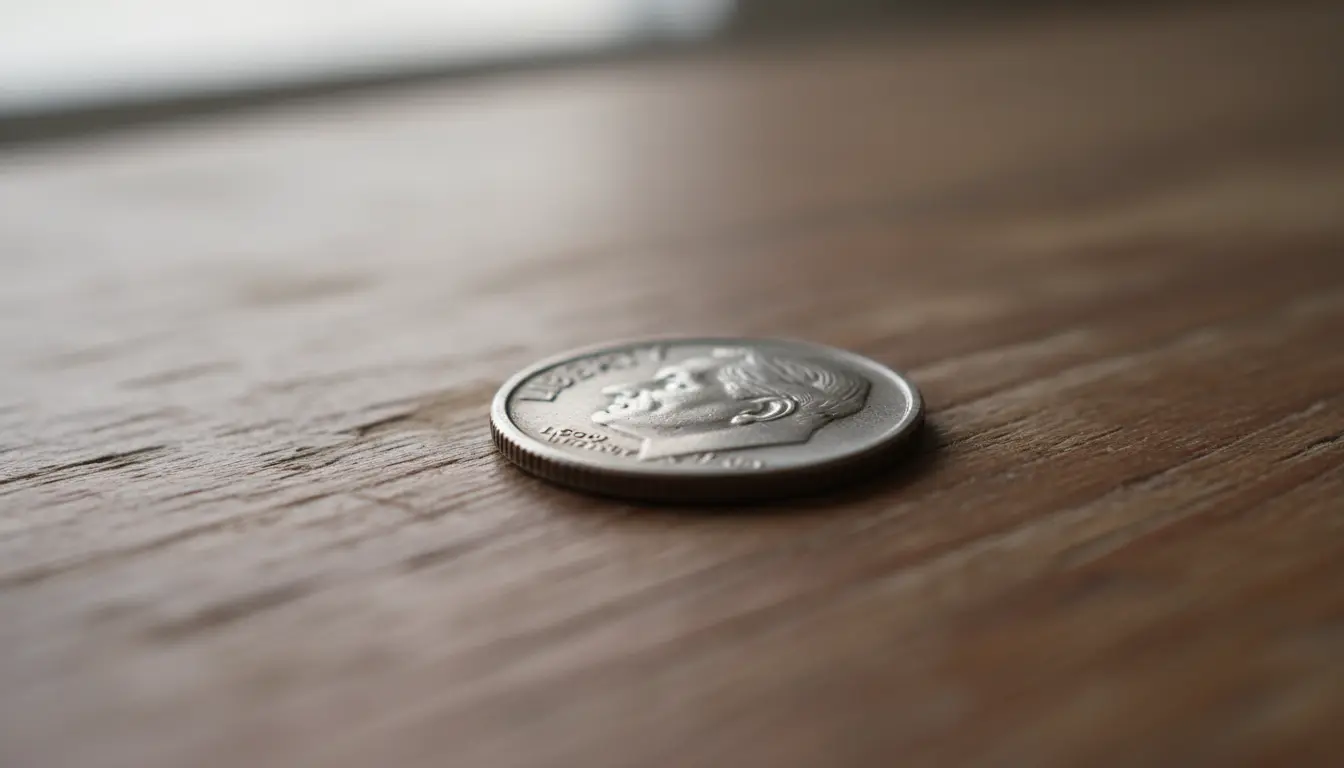
Silver Roosevelt dimes continue to show up in circulation and private collections decades after the U.S. stopped minting them for general use. This article explains the practical reasons these coins are still found, how to identify them quickly, and what to do when you find one.
How Silver Roosevelt Dimes Remain In Circulation
Roosevelt dimes dated 1964 and earlier are 90% silver and were made from 1946 through 1964. These coins were part of everyday change for many years, so a supply remained in people’s pockets, jars, and bank rolls.

Even after silver was removed from dimes in 1965, many survivors stayed hidden in personal stashes or were slowly reintroduced into circulation. Estates, small business cash drawers, and old coin collections are common sources.
Key reasons they still turn up
- Hidden hoards: People saved rolls, jars, or boxes without realizing the silver content or value.
- Estate and garage finds: Old possessions often contain forgotten coins that re-enter the market.
- Bank mixing: Older coin rolls sometimes get mixed with modern coins when banks sort by denomination, not date.
- Collector dispersal: Collections get sold or traded, releasing coins back into circulation.
- International movement: Coins can move between countries and return to U.S. circulation unexpectedly.
How to Identify Silver Roosevelt Dimes
Quick visual checks work for initial identification. Look at the date on the obverse (front) of the coin. Any Roosevelt dime dated 1964 or earlier is silver.
Other practical tips help confirm silver content without special tools. Silver dimes have a distinct weight and ring when tapped gently on a hard surface, compared with clad dimes minted after 1964.
Simple tests you can use
- Date check: 1964 and earlier = 90% silver.
- Edge check: Silver dimes have a continuous reeded edge with no visible copper core (clad dimes show a copper layer if worn).
- Sound test: A silver coin rings with a higher-pitched sound than a copper-nickel clad coin.
- Scale: A silver Roosevelt dime weighs 2.5 grams. A modern clad dime is 2.268 grams.
Where They Most Often Turn Up

Understanding common sources helps collectors and casual finders know where to look. Searching everywhere is unnecessary; targeted checks are more efficient.
- Cash drawers and tip jars in businesses that have used the same till for decades.
- Estate sales and box lots of loose change at auctions or yard sales.
- Bank coin-counting machines that process mixed-era rolls and return all coins to customers.
- Collectors selling bulk lots online or at coin shops who include common silver pieces.
Practical advice for searching
Ask permission before searching any business property. When buying coin lots, request clear photos or date ranges. For casual searches, learn to spot dates quickly under a light and magnifier.
What To Do If You Find a Silver Roosevelt Dime
Decide if you want to keep the coin, sell it, or have it graded. Common silver dimes usually carry melt value plus a small collector premium, but key dates and mint marks can be worth more.

If the coin looks common and is worn, check current silver spot price to understand melt value. For better-preserved coins or rare dates, consider a professional appraisal or grading.
- Keep: For personal collection or small appreciation over time.
- Sell to dealers: Quick sale but expect dealer margin.
- Sell on marketplaces: Potentially higher return but requires accurate listing and buyer trust.
- Grade it: Useful for higher-value or high-grade coins that may command collector prices.
Roosevelt dimes dated 1964 and earlier are 90% silver and contain 0.07234 troy ounces of silver each. Over time, many were melted for bullion, but enough survive that casual finds still occur.
Case Study: A Real-World Find
A small coffee shop owner in Ohio emptied an old tip jar while upgrading tills. Among modern coins, the new owner found three Roosevelt dimes dated 1958, 1963, and 1964. The owner took them to a local coin dealer for evaluation.
The dealer confirmed all three were 90% silver. The owner sold the dimes at a modest premium over melt value and used the proceeds to buy a new grinder. The find shows how everyday locations can yield silver survivors.
Lessons from the case study
- Old coin containers at workplaces often hold hidden value.
- Local dealers provide quick verification and fair liquidity for small finds.
- Even a few silver dimes can return useful cash without complex selling processes.
Final Practical Tips
Learn the key dates and basic tests so you can spot silver Roosevelt dimes quickly. Carry a small magnifier and a reference chart for date ranges if you check coin lots or change frequently.
When in doubt, consult a reputable coin dealer or community coin club. Accurate identification and realistic expectations ensure you make good use of any silver dimes you find.
Silver Roosevelt dimes still turn up because they were once common, many were forgotten, and some re-enter circulation through routine cash handling. With a few quick checks and sensible decisions, finding one can be a small but rewarding experience.