
What is the Million Dollar Buffalo Nickel?
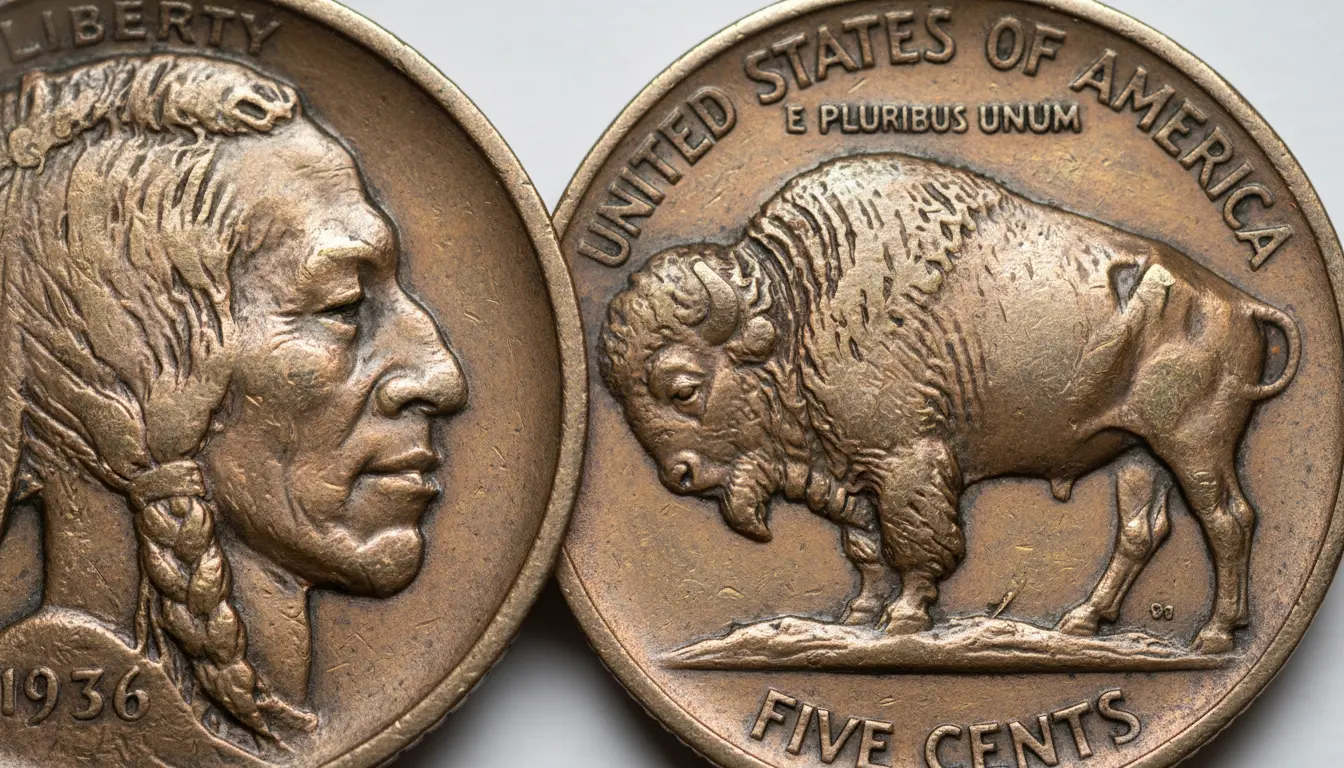
The Buffalo nickel is a U.S. five-cent coin minted from 1913 to 1938. Collectors prize certain dates, mint marks, and unusual varieties that can be far more valuable than face value.
When people say “million dollar Buffalo nickel,” they mean a Buffalo nickel in exceptionally rare condition or with an unusual error that drives collector demand. It is rare, but not impossible to find valuable examples in circulation or old change.
How to Identify Valuable Buffalo Nickels

Start with the basics: check the date and the mint mark. These are the key details collectors use to assess potential value.
Look for these high-interest categories:
- Key dates like 1913-S, 1916/5 overdates, and 1937-D three-legged variety.
- Mint mark location: S (San Francisco), D (Denver), or none (Philadelphia).
- Error coins with doubling, repunched mint marks, or unusual die breaks.
Key features to check
Examine the coin under good light or with a magnifier. Check the obverse for date clarity and the reverse for leg details on the buffalo design.

Common issues that reduce value include heavy wear, cleaned surfaces, and scratches. A coin with original surfaces and minimal wear is worth more.
Simple Steps to Inspect Coins in Your Pocket
Follow a straightforward routine to evaluate coins quickly and safely at home.
- Use a loupe or magnifier at 5x–10x to read the date and mint mark.
- Compare the coin to online reference images for key varieties.
- Do not clean the coin; cleaning can destroy value.
- If a coin looks unusual, take clear photos and seek a second opinion from a reputable dealer or collector forum.
How Much Could Your Buffalo Nickel Be Worth?
Value ranges widely. Most Buffalo nickels you find in circulation are worth face value or a small premium. Certain dates and rare varieties reach thousands or more.

Price depends on date, mint mark, rarity, and condition. Graded coins certified by PCGS or NGC command the highest prices because buyers trust the grade and authenticity.
Examples of value tiers
- Common dates in worn condition: $0.05 to a few dollars.
- Better dates or lightly worn coins: $20 to several hundred dollars.
- Rare dates, mint states, or notable errors: thousands to six-figure prices in exceptional cases.
A famous Buffalo nickel variety known as the 1937-D three-legged Buffalo resulted from excessive die polishing that removed the buffalo’s front right leg. That variety is one of the most recognized error coins among collectors.
How to Verify and Sell a Valuable Buffalo Nickel
If you believe you have a rare Buffalo nickel, take careful steps to verify and sell it to avoid scams and maximize return.
- Document the coin with high-resolution photos of both sides under even lighting.
- Ask for opinions in reputable numismatic forums or local coin clubs.
- Consider third-party grading if the coin appears to be a high-value candidate.
- Research auction results for similar coins to set realistic expectations.
- Sell through established coin dealers, auction houses, or online marketplaces with buyer protection.
Real-World Example: A Common Find to a Collector’s Sale
A collector once found a worn Buffalo nickel in a jar of change and noticed the date was visible. The coin turned out to be a 1937-D with unusual wear but clear features. After consulting a coin club and getting it graded, the collector sold the coin to a specialist dealer rather than a general buyer.
This case shows the typical path: spot the coin, research it, seek an expert opinion, and then sell through a trusted channel. Even modest discoveries can yield a pleasant surprise when handled properly.
Practical Tips for Everyday Search
Make coin-checking a quick habit when you handle cash. You don’t need to inspect every coin in detail; key signs will stand out.
- Look for clear dates and mint marks.
- Note any oddities like doubled designs, missing features, or strange shapes.
- Keep a small loupe and a reference guide or bookmarked pages for quick comparison.
When to Consult an Expert
Contact an expert if the coin displays clear signs of rarity: legible key dates, mint marks, or obvious error features. Experts can help with authentication and determine whether professional grading is worthwhile.
Use local coin shops, numismatic associations, or well-known grading services for reliable guidance and sales channels.
Final Thoughts: Could Your Pocket Change Be a Hidden Treasure?
Most Buffalo nickels are not million-dollar coins, but rare examples exist and turn up from time to time. A careful eye, basic tools, and reliable verification steps will help you spot something special without damaging the coin.
Check your change, document anything unusual, and ask for expert advice before selling. Even if you don’t find a million-dollar piece, you may discover coins that are worth far more than their face value.