
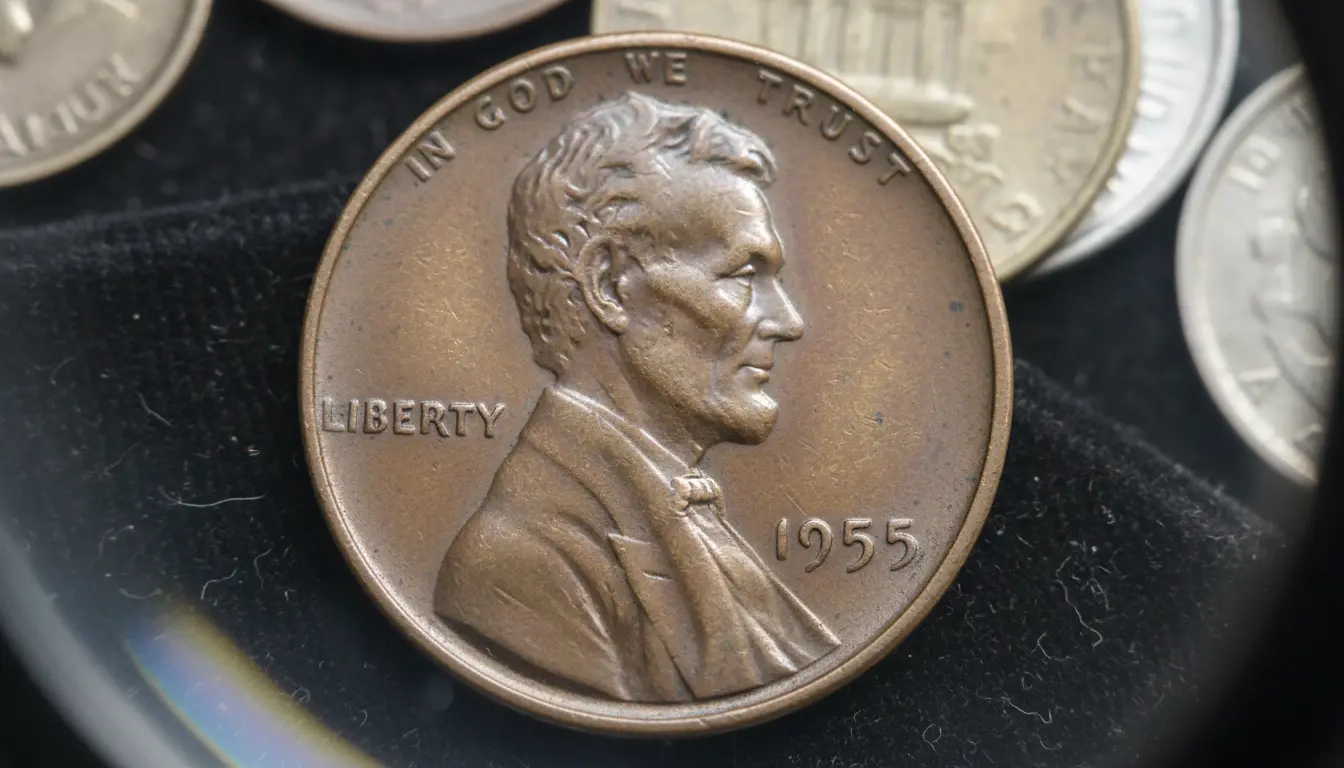
The 1955 Doubled Die Penny is one of the most recognizable U.S. mint errors. This guide explains clear steps to identify the error, evaluate condition, and understand what affects its value. Follow practical tips to authenticate and preserve a specimen.
How to Identify a 1955 Doubled Die Penny
Start with a careful visual inspection of the obverse (front) of the coin. The doubled die error shows as clear doubling on the date and the words on the obverse, especially noticeable on the digits of “1955” and the phrase “LIBERTY.”

Use a magnifier under good light. Look for distinct, separated secondary outlines; this is not the same as weak strike or wear. True doubled die shows doubling on the design elements themselves from hub doubling during die production.
Tools and steps for close inspection
Use simple tools that most collectors have on hand. A 5x–10x loupe and a bright, diffuse light make spotting doubling easier. A digital camera or phone macro photo can help compare details.
- Place the coin under light and tilt slowly to catch raised doubling.
- Compare the date digits and the letters in LIBERTY for clear separate lines.
- Photograph the obverse at high resolution and zoom in to look for multiple rims on the letters and numbers.
Common misreads and what to avoid
Wear, post-mint damage, or strike doubling (not hub doubling) can be mistaken for a doubled die. Strike doubling appears as a shadow on the surface and is usually low and flat, while a doubled die will show sharper, raised doubling on the design features.

Avoid cleaning the coin or applying chemicals to reveal details; that damages the coin and reduces value. If unsure, consult a professional grader or experienced dealer.
Value of a 1955 Doubled Die Penny
Value varies widely based on condition, certification, and market demand. Circulated examples are collectible and can be valuable; high-grade certified specimens command top prices. Certification by major services such as PCGS or NGC increases buyer confidence.
Key value drivers include grade (MS vs AU vs circulated), eye appeal, and whether the coin is original or altered. Provenance and auction visibility also move prices.
Grading and pricing factors

Grading separates an average example from a premium specimen. Common grade bands you will see are circulated (VG to AU), uncirculated (MS60–MS64), and high-end mint state (MS65+). Higher mint state grades typically bring exponentially higher prices.
- Certification: Certified coins sell easier and often for higher prices.
- Rarity in grade: Scarcer mint-state examples are much more valuable.
- Surface condition: Original surfaces with good luster increase interest.
Authentication: When to seek professional help
If your inspection suggests doubling but you’re uncertain, submit the coin to a recognized grading service. Professional graders can confirm whether the error is a true doubled die and assign an authoritative grade.
Use a reputable dealer or grading service to avoid scams. Many graders also document the variety and provide high-resolution images and a unique ID for tracking.
Care and preservation for a 1955 Doubled Die Penny
Preserve original surfaces and avoid cleaning. Store coins in inert holders such as Mylar flips, acid-free envelopes, or hard plastic slabs for certified coins. Keep them in a stable environment away from humidity and extreme temperatures.
When handling, touch only the edges and use cotton gloves if possible. Oils and dirt from fingers can damage surfaces permanently.
Quick checklist before selling or grading
- Confirm visible doubling on the obverse—date and LIBERTY.
- Take high-resolution photos from multiple angles.
- Compare with reference images of known 1955 doubled die varieties.
- Decide whether to submit for certification based on condition and potential value.
Case Study: A small real-world example
A hobbyist purchased a lot of mixed coins at a local estate sale and found a worn Lincoln cent with strong doubling on the date and letters. After photographing the piece and consulting online references, the collector submitted the penny to a grading service.
The service confirmed it as a genuine 1955 doubled die penny and assigned a circulated grade. After listing through a reputable auction channel, the coin attracted multiple bids and sold to a specialized error coin collector. The process highlights how simple verification and correct channels can turn a find into a successful sale.
Final practical steps for collectors
If you suspect you have a 1955 Doubled Die Penny, document the coin with clear photos and notes on condition. Compare with trusted references and, if the coin appears genuine, consider professional grading.
Always preserve original surfaces, use reputable services, and keep records of authentication. These steps help protect and potentially increase the value of a 1955 Doubled Die Penny for future buyers or family heirs.