
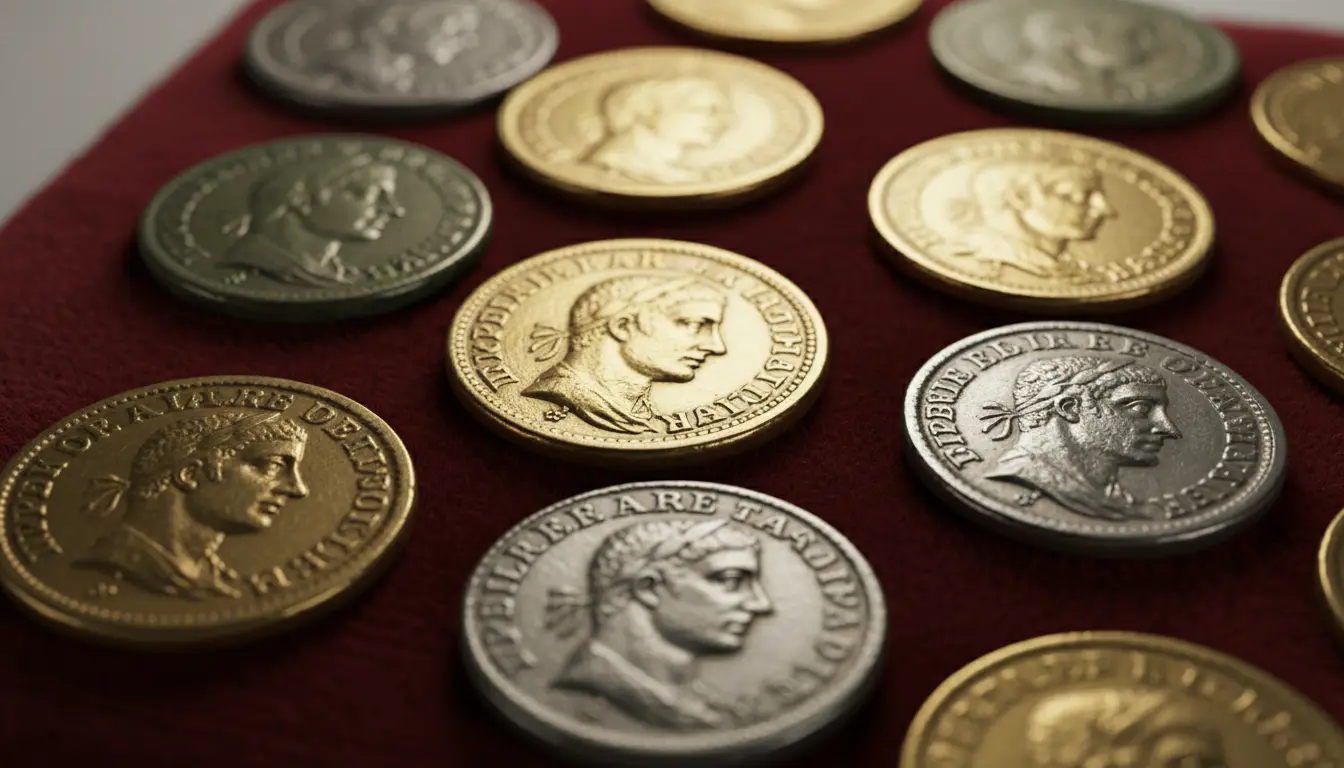
Collectors and investors often aim for a handful of legendary coins that combine history, rarity, and strong market demand. This guide explains 10 rare coins that dominate wish lists in 2025, with practical tips on authenticity, value, and where serious collectors find them.
How to use this rare coins 2025 guide
Each coin entry includes why it is rare, a realistic value range, and quick authentication pointers. Use the checklist and case study to prioritize purchases and avoid common pitfalls.
Top 10 Rare Coins Every Collector Dreams Of
1. 1933 Saint-Gaudens Double Eagle (US $20)

Why rare: Most 1933 Double Eagles were melted after the gold recall. A few survived under exceptional legal circumstances, making them extremely scarce.
- Estimated value: Multi-million dollars at auction.
- Authentication tips: Check provenance, original paperwork, and third-party grading (PCGS/NGC).
- Where to look: Major auctions and dealer consignments with legal clearances.
2. 1794 Flowing Hair Dollar
Why rare: Believed to be among the first US silver dollars struck. Historical importance and low survival numbers push prices high.
- Estimated value: Several million dollars for top specimens.
- Authentication tips: Verify die varieties, minting characteristics, and complete provenance.
3. 1804 Draped Bust Silver Dollar
Why rare: Produced as diplomatic presentation pieces rather than circulation coins. Few originals exist, and they have famous pedigrees.
- Estimated value: Millions for fine examples.
- Authentication tips: Study known Class I/II/III distinctions and trusted auction records.
4. 1913 Liberty Head Nickel

Why rare: Only five examples are known, making this one of the rarest and most collectible U.S. coins.
- Estimated value: Multi-million dollar range depending on the specimen.
- Authentication tips: Confirm die polish marks, edge characteristics, and historical chain of custody.
5. 1787 Brasher Doubloon
Why rare: A privately struck gold coin made by Ephraim Brasher, early American gold rarity with strong collector demand.
- Estimated value: Often sells for millions.
- Authentication tips: Evaluate the Brasher punch marks and expert numismatic opinions.
6. 1894-S Barber Dime
Why rare: Extremely low mintage at the San Francisco Mint; very few examples are known to exist.
- Estimated value: High hundreds of thousands to low millions for quality pieces.
- Authentication tips: Compare to known die markers and use certified grading services.
7. 1873-CC No Motto Seated Liberty Dime

Why rare: Carson City mint pieces of certain 1873 varieties were struck in tiny numbers and many were melted or lost.
- Estimated value: Varies widely by condition; rare examples fetch significant premiums.
- Authentication tips: Look for CC mintmark style and die alignment details.
8. Unique 1822 Half Eagle ($5)
Why rare: Some dates and patterns in early half eagles are effectively unique or exist in extremely limited examples.
- Estimated value: Often reaches high six or seven figures due to uniqueness.
- Authentication tips: Rely on museum or recognized auction provenance and specialist literature.
9. 1802/1804 Gold Patterns and Proofs
Why rare: Early gold patterns and proof strikes were limited to presentation sets or trial pieces—survivors are prized by collectors.
- Estimated value: Considerable for polished examples with good provenance.
- Authentication tips: Study pattern references, metal composition, and surface characteristics.
10. Foreign Rarities: 1933 British Gold Sovereigns and World Rarities
Why rare: Several non-US coins (British, Mexican, Chinese) have small survival counts and major historical drivers for demand.
- Estimated value: Varies by issue but can exceed US rarities in niche markets.
- Authentication tips: Use regional experts and assay evidence for non-US issues.
Quick Authentication Checklist for Rare Coins
- Provenance: Request documented chain of ownership.
- Certification: Prefer PCGS, NGC, or trusted third-party grading.
- Physical tests: Weight, diameter, and metal composition checks.
- Expert opinion: Consult a specialist for high-value, unique pieces.
Case Study: 1933 Double Eagle Auction Outcome
In 2002, a 1933 Double Eagle sold at a major auction for about $7.59 million, underscoring how legal history and provenance drive prices. The sale followed lengthy legal review and clear documentation.
Lessons from the sale:
- Legal clarity matters—coins with complex histories need clean title.
- Reputable auction houses add buyer confidence and typically produce higher realized prices.
Some of the world’s most valuable coins started as diplomatic gifts or pattern pieces, not circulation money.
Practical Tips for Collectors in 2025
Start with well-documented mid-tier rarities before chasing ground-floor uniques. Build relationships with reputable dealers and auction houses and always get high-value coins certified.
Keep records: scans of certificates, receipts, and any correspondence add measurable value. For international rarities, hire regional specialists for authentication and export guidance.
Finding dream coins takes time, disciplined research, and patience. Use this guide to prioritize targets and protect your investment with proper authentication and documentation.