
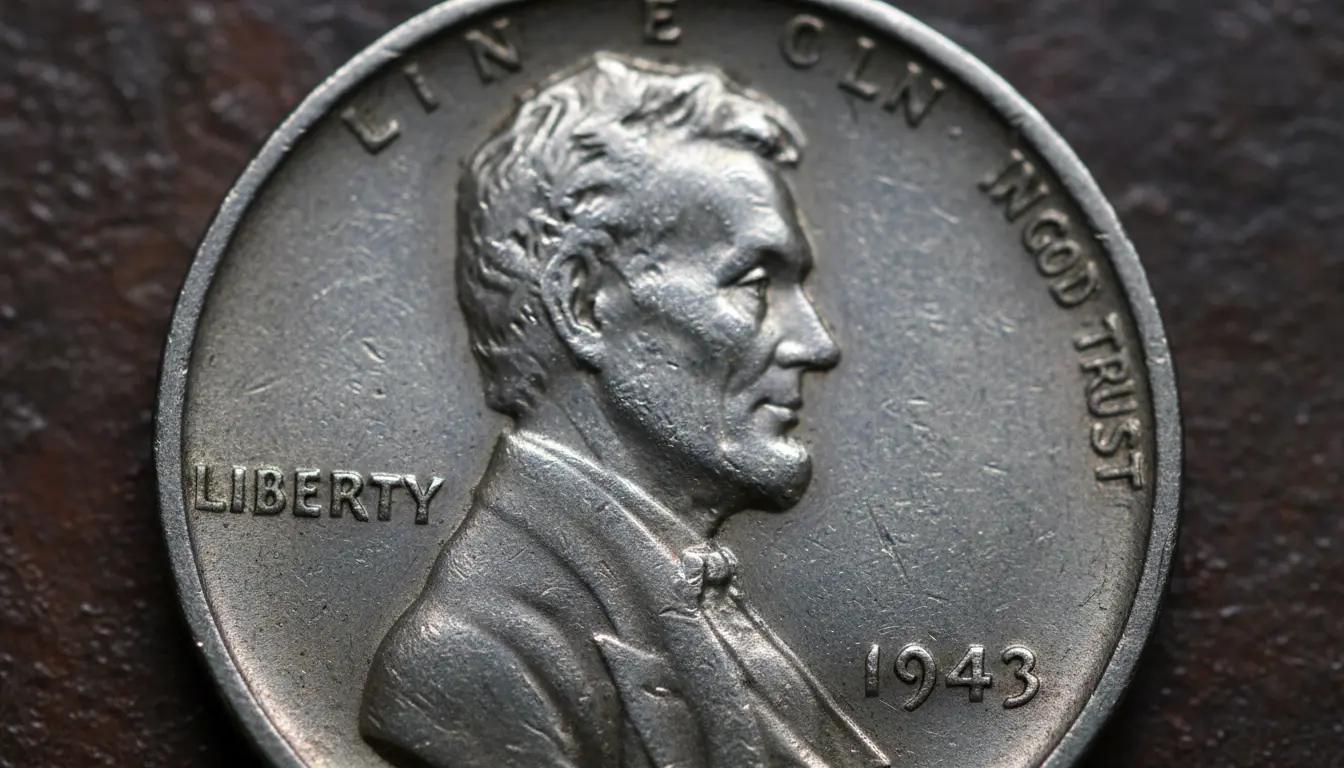
If you hold a 1943 Lincoln Wheat Penny or find one in a change roll, it pays to know what makes some pieces extremely valuable. This guide explains why certain 1943 pennies attract huge prices, how to identify them, and practical steps for authentication and sale.
Why the 1943 Lincoln Wheat Penny is rare
The typical 1943 Lincoln cent was struck on zinc-coated steel because copper was needed for wartime production. That change made steel cents the norm in 1943 and explains why a copper 1943 cent is so unusual.

Other rarity factors include minting errors, plating anomalies, and surviving condition. Any authentic 1943 cent on copper or with significant mint errors can be worth far more than face value.
Key rarity drivers for the 1943 Lincoln Wheat Penny
- Incorrect planchet metal (copper instead of steel).
- Major minting errors like double strikes or full rim damage.
- Exceptional condition or original luster (high grade).
How to identify a 1943 Lincoln Wheat Penny
Start with a careful visual and physical check. Simple tests can indicate whether the coin is likely a steel cent, copper, or plated.
Follow these basic steps before pursuing professional help.
Identification checklist
- Look at color: steel cents are silver-gray; copper cents are brownish or reddish.
- Magnet test: genuine 1943 steel cents will stick to a magnet; copper cents will not.
- Weight check: a copper cent weighs about 3.11 grams, while a steel cent with zinc coating weighs about 2.7 grams.
- Inspect for plating: flaking or uneven color can indicate copper-plated steel or altered coins.
Authentication and grading for the 1943 Lincoln Wheat Penny

If a coin passes initial checks and appears to be copper or plainly unusual, professional authentication is essential. Authenticity and grade largely determine market value.
Use reputable third-party grading services (PCGS, NGC, ANACS). These services verify composition, grade the coin, and encapsulate it for sale.
Steps to authenticate and grade
- Document the coin with clear photos and measurements.
- Perform non-destructive tests (magnet, visual inspection, weight).
- Submit to a respected grading service with provenance information if available.
- Request research on mint marks and error types if applicable.
Valuing and selling a 1943 Lincoln Wheat Penny
A verified 1943 copper cent in genuine condition can attract high prices. Market values vary widely based on grade, provenance, and auction conditions.

Reports show that distinct examples of rare 1943 cents have reached six-figure prices in specialist auctions. Always verify market data and recent auction results for accurate valuation.
How to prepare for sale
- Get third-party certification and a full descriptive report.
- Compare recent auction results for comparable grade and error types.
- Choose a sales channel: specialist auction houses, major online coin marketplaces, or private sale through a dealer.
- Consider consignment with a reputable auctioneer who handles rare coins.
Most 1943 Lincoln cents were struck on steel to conserve copper for wartime use. Any 1943 cent that is solid copper is extremely rare and should be authenticated by experts.
Storage, preservation, and insurance
Proper storage protects value. After authentication, keep the coin in an inert holder or the sealed slab from the grading service.
Avoid handling the coin directly; oils and dirt reduce grade and buyer confidence.
Practical storage tips
- Store coins in a cool, dry place with stable temperatures.
- Use acid-free coin flips, hard plastic holders, or the original grading slab.
- Keep an inventory with photos and grading certificates.
- Insure high-value coins and update the policy after appraisal or sale.
Case study: A verified 1943 cent through the steps
A collector found a 1943 brown-toned cent in an old coin lot and suspected it might not be steel. The collector documented the coin, ran a magnet test, and weighed it. It did not stick to the magnet and weighed close to a copper cent.
They submitted the coin to a major grading service, which confirmed an unusual copper planchet and assigned a grade. The collector then consigned the slabbed coin to a specialist auction. After transparent provenance and competitive bidding, the coin sold for a six-figure amount, covering fees and taxes while confirming the value of authentication and proper channels.
Final checklist before you act
- Do a magnet and weight test first.
- Document condition with photos and notes.
- Authenticate through a respected grading service.
- Research recent sales and choose an appropriate auction or dealer.
- Store and insure the coin while you finalize sale arrangements.
Finding a rare 1943 Lincoln Wheat Penny can be a life-changing discovery, but value depends on careful identification, professional authentication, and smart sale choices. Follow the steps above to protect your find and maximize its potential.