
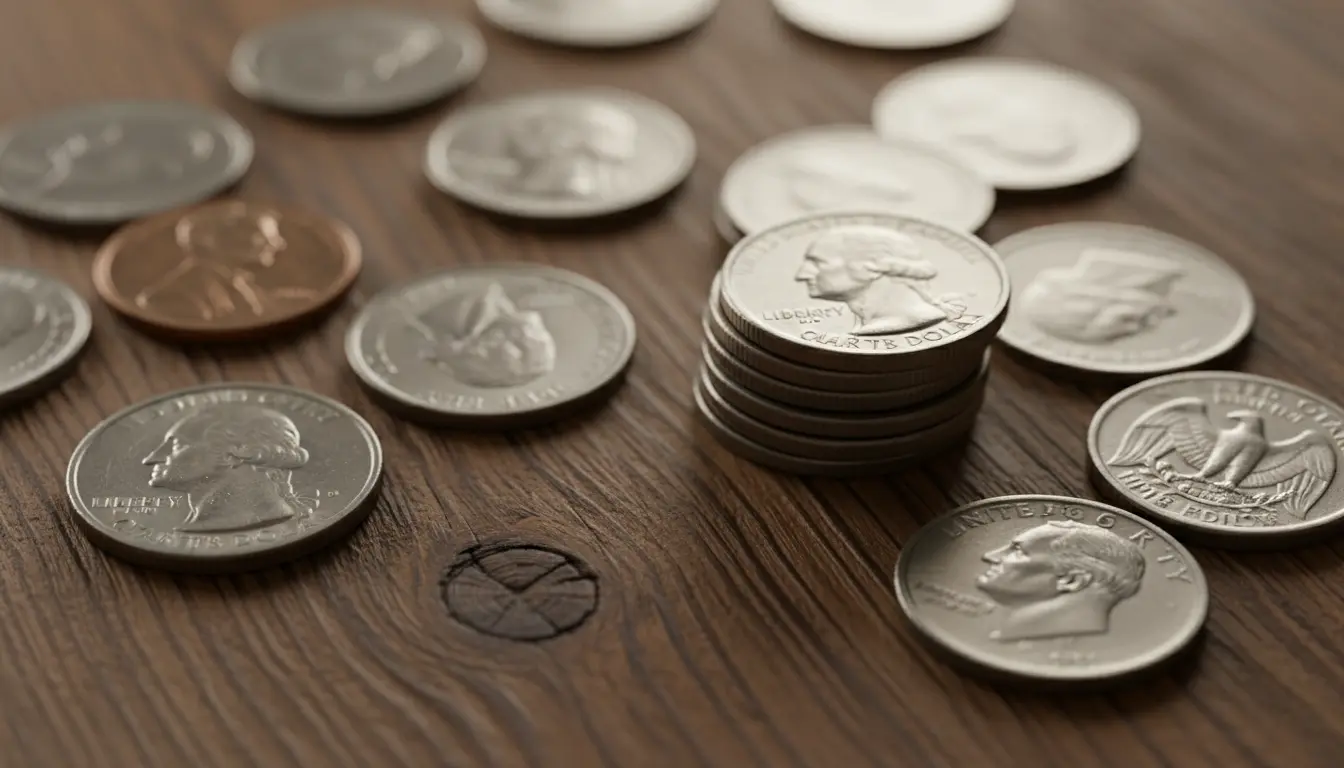
Everyday transactions rely on small pieces of metal that carry value and history. This guide covers the 10 U.S coins in circulation, how to identify them, and practical tips for using and storing coins.
Overview of 10 U.S Coins in Circulation
The phrase “10 U.S coins in circulation” means the coin types you can commonly find or that remain legal tender today. Some designs are more common than others, and some series include many design variations.
Quick List of the 10 U.S Coins in Circulation
- Lincoln Cent (Penny) — 1 cent
- Jefferson Nickel — 5 cents
- Roosevelt Dime — 10 cents
- Washington Quarter — 25 cents (includes State and America the Beautiful designs)
- Kennedy Half Dollar — 50 cents
- Susan B. Anthony Dollar — $1 (older series still circulating)
- Sacagawea Dollar — $1 (2000–present Native American series)
- Presidential $1 Coin — $1 (circulated primarily 2007–2016)
- America the Beautiful Quarter designs — variation of the quarter series
- Commemorative and special-issue circulating coins — occasional legal tender releases
How to Identify the 10 U.S Coins in Circulation

Identification relies on size, edge, weight, and portrait. Coins also have denomination markings, mint marks, and date codes for collectors and everyday users.
1. Lincoln Cent (Penny)
Small and copper-colored, the Lincoln cent shows Abraham Lincoln on the obverse and a shield or Lincoln Memorial on the reverse, depending on year. Composition has varied; modern pennies are mostly zinc with a thin copper plating.
2. Jefferson Nickel
The nickel is thicker and larger than a penny and features Thomas Jefferson. It is worth five cents and usually made of a copper-nickel alloy with a smooth edge.
3. Roosevelt Dime

The dime is smaller than the penny but worth ten cents. It displays Franklin D. Roosevelt and has a reeded (grooved) edge to help identification by touch and to discourage clipping.
4. Washington Quarter
The quarter is worth 25 cents and typically shows George Washington. Modern quarters include State, Territory, and America the Beautiful designs on the reverse, which are common in circulation.
5. Kennedy Half Dollar
This 50-cent coin bears John F. Kennedy’s portrait. Half dollars are less common in daily transactions but are still legal tender and sometimes used in vending or token machines.
6. Susan B. Anthony Dollar

A small dollar coin minted in the late 1970s and early 1980s, it is similar in size to a quarter and occasionally shows up in circulation. It features Susan B. Anthony and is often confused with quarters by casual users.
7. Sacagawea Dollar / Native American $1 Coin
Introduced in 2000, the Sacagawea dollar (and later Native American $1 designs) is golden in color and depicts Sacagawea or culturally significant imagery. These coins are one-dollar legal tender and made from a manganese-brass alloy.
8. Presidential $1 Coin
Issued 2007–2016, these dollar coins honor U.S. presidents and were released in succession. They are still legal tender and occasionally found in rolls, banks, or collections.
9. America the Beautiful Quarters
These are design variations of the quarter series with national park and site imagery. They circulate like regular quarters and are popular with collectors and the general public.
10. Circulating Commemorative Coins and Special Issues
From time to time the U.S. Mint releases coins intended for circulation or wider distribution. These special issues remain legal tender and can appear at banks, stores, or in change.
Practical Tips for Handling the 10 U.S Coins in Circulation
- Sort by denomination first, then by metal color or size.
- Use a coin counter or rolls for bank deposits to save time.
- Check uncommon coins (half dollars, dollar coins) before refusing them; many businesses accept them.
- Keep damaged or extremely worn coins for inspection if you think they have collector value.
Real-World Example: A Small Coffee Shop Case Study
A neighborhood coffee shop began receiving many dollar coins and half dollars from customers using exact change. Staff were initially unsure how to process them efficiently. The owner installed a small coin counter and taught staff to roll coins weekly before bank deposit.
The result was faster checkout, fewer disputes over change, and $320 deposited from loose coins in the first three months. The shop now keeps a separate coin jar and encourages cash customers to use exact change to simplify operations.
When to Save, When to Spend
Keep coins that are rare or in exceptional condition for potential value beyond face value. Most modern circulating coins are worth face value, so use them in everyday transactions if you need cash or make change.
For sorting and storage, use labeled rolls or a clear coin tray and record dates or mint marks if you suspect numismatic value.
Conclusion
Knowing the 10 U.S coins in circulation helps you identify common money, manage cash flow, and spot coins that might be of interest to collectors. With a few practical steps—sorting, rolling, and occasional checking—you can make coin handling simpler and more efficient.