
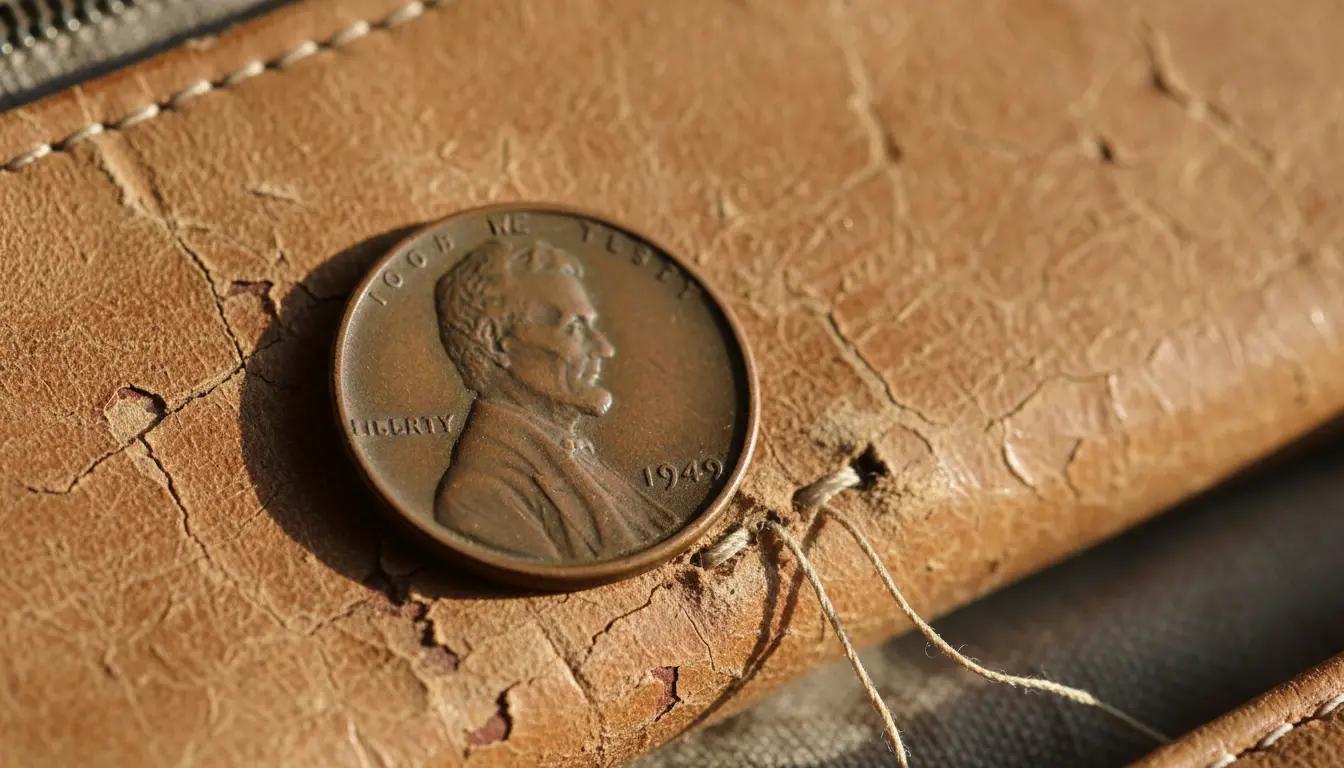
How a Lincoln penny from an old purse can be valuable
Finding a loose coin in an old purse can feel ordinary until you look closely. Some Lincoln pennies can be worth far more than the handbag they were in, depending on date, mint mark, error, and condition.
First steps: Inspect the penny carefully
Do not clean the coin. Cleaning can reduce value dramatically. Use a magnifying glass, a lamp, and good light to inspect the coin without altering its surface.
What to look for
- Date and mint mark: Read the year and any letter under the date (S for San Francisco, D for Denver).
- Color and metal: Most pennies before 1982 are copper; 1943 was normally steel due to wartime needs.
- Mint errors: Look for doubled lettering, off-center strikes, clipped planchets, or wrong-metal strikes.
- Condition: Note wear, scratches, and whether details like Lincoln’s hair and the wheat (if present) are sharp.
Dates and errors that often mean value

Some Lincoln cent dates and errors attract strong collector interest. Finding one of these in a purse can be a pleasant surprise.
- 1909 types, especially with VDB initials or San Francisco mint marks.
- 1914-D and other low-mintage Denver issues.
- 1955 Doubled Die Obverse—very distinctive doubling on the date and inscriptions.
- 1943 bronze cents—most 1943 cents were steel; bronze examples are rare.
- 1922 “No D”—a weak or missing mint mark variety on certain business strikes.
How to document the find
Record the penny before any handling that could alter it. Use a phone camera to take close-up photos of both sides and the rim. Note where and how you found the coin and any provenance from the purse owner if known.
Photos that help experts
- Sharp, well-lit obverse and reverse photos.
- Close-up of the date and any mint mark.
- Detail shots of any anomalies, doubling, or unusual color.
Do not clean the coin
Cleaning can remove original surface and damage the coin’s patina, sharply reducing collectible value. Even light rubbing or using vinegar is a risk.
Getting an expert opinion

Start with a reputable local coin dealer or a regional coin club. They can often tell you whether the coin merits professional grading. For potentially valuable or rare finds, consider sending the coin to a third-party grading service.
Grading and authentication
Professional grading services like PCGS and NGC authenticate and grade coins, assigning a condition grade that helps determine market value. Grading is a paid service, so balance potential value against grading costs.
How to sell or insure a valuable penny
If the coin is authenticated and valuable, you have a few options: auction houses, specialist coin dealers, or reputable online marketplaces. Keep provenance and grading documents together, and store the coin in archival flips or capsules.
- Auctions: Good for rare, high-value pieces; fees and timing vary.
- Dealers: Offer speed and convenience; seek multiple offers.
- Online marketplaces: Broad reach but prepare high-quality photos and clear descriptions.
Storage and long-term care

Store valuable coins at stable room temperature with low humidity. Use inert holders (Mylar flips or acrylic capsules). Avoid PVC-based plastics which can produce harmful residues.
Case study: What to do if you think you found a rare penny
Anna found a worn penny in her grandmother’s old purse and noticed unusual doubling on the date. She photographed the coin and sought out a local coin shop for a preliminary look. The dealer suggested professional grading, which confirmed an interesting variety, and Anna then chose to list the graded coin at auction after consulting two dealers.
This step-by-step approach—document, avoid cleaning, get a local opinion, and then consider grading—keeps risk low and options open for the owner.
Quick checklist if you find a potentially valuable Lincoln penny
- Do not clean the coin.
- Photograph both sides and the rim.
- Note date and mint mark and inspect for errors.
- Consult a reputable dealer or coin club.
- Consider professional grading for high-potential finds.
- Store the coin in an inert holder and maintain documentation.
Final practical advice
Most pennies found in purses are common and worth face value or small amounts to collectors. However, being methodical and cautious can uncover rare pieces that are worth far more than the handbag that contained them.
If you think you have a special Lincoln penny, document it and seek a trustworthy expert before making decisions about cleaning, selling, or grading.