
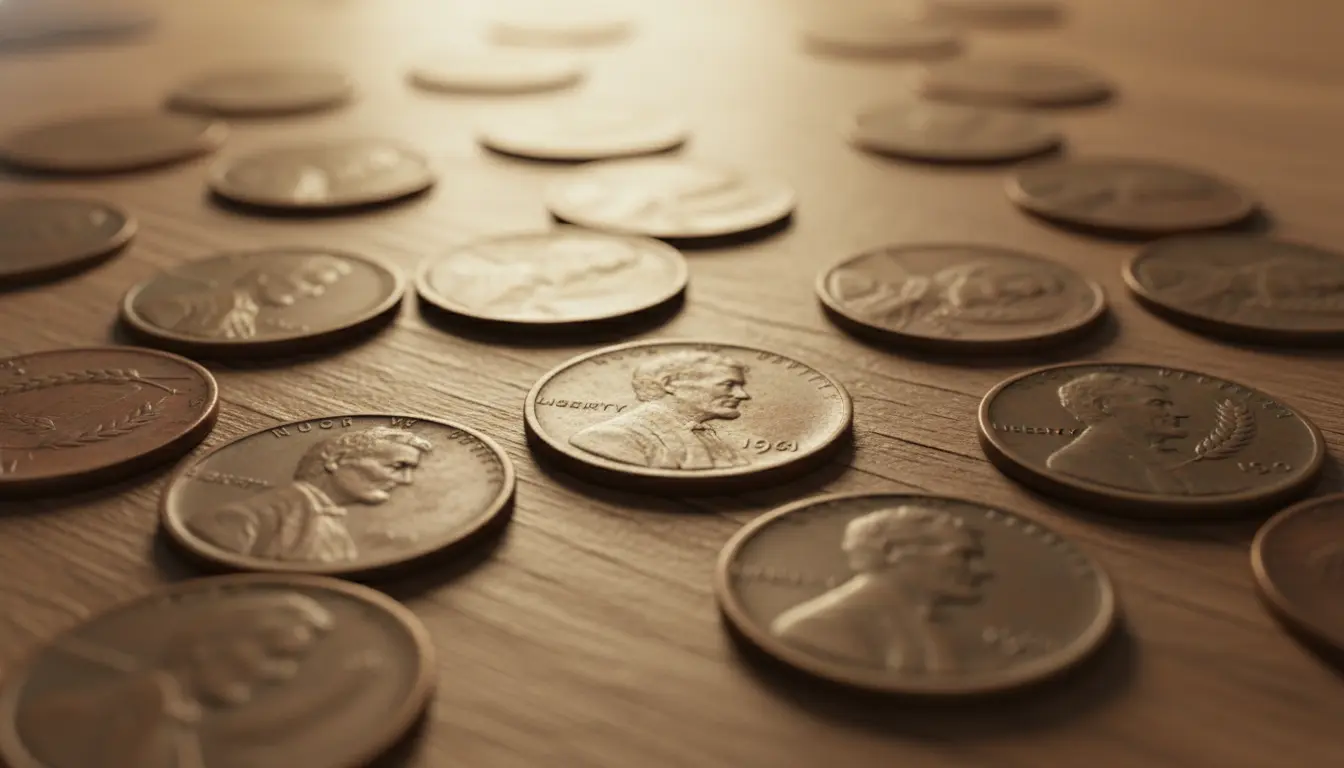
Understanding the Value of Wheat Pennies by Year
Wheat pennies were minted from 1909 to 1958 and remain a core area of interest for collectors. Their value depends heavily on the year, mint mark, condition, and any errors present.
This guide explains why specific years are more valuable and how you can estimate a wheat penny’s worth. Follow the steps to identify, grade, and decide whether to sell or keep a coin.
Why the Year Matters for Wheat Pennies

The year tells you the coin’s mintage and historical context. Low-mintage years or those tied to known varieties are usually more desirable.
Some years also produced well-known errors or varieties that drive value above standard face value. Collectors use date as the first filter when evaluating a coin.
Key Dates That Affect Value
- 1909-S VDB: First year of Lincoln cent with designer initials on the reverse, highly sought after.
- 1914-D: Low mintage and premium demand for circulation-grade examples.
- 1922 No D (Philadelphia overstrike evidence): A noted variety that can be valuable in higher grades.
- 1931-S: Low mintage and strong demand among date collectors.
- 1955 Doubled Die Obverse: One of the most famous modern errors, valuable at many grades.
- 1943 Bronze Errors: Extremely rare and highly prized when confirmed genuine.
How to Read Date and Mint Marks on Wheat Pennies
Locate the date on the obverse side, below Lincoln’s bust. The mint mark, if present, sits under the date at the lower right.

Common mint marks are ‘D’ for Denver, ‘S’ for San Francisco, and no mark for Philadelphia. These marks affect rarity and price.
Factors That Determine the Value of Wheat Pennies By Year
Several factors combine to set a wheat penny’s market value. Examine each factor before assigning a price or sending a coin to auction.
- Year and Mintage – Lower mintage years typically command higher prices.
- Mint Mark – Certain mint marks are rarer in specific years and increase value.
- Condition (Grade) – Grades range from Poor to Mint State; even common dates can be valuable at high grades.
- Varieties and Errors – Doubled dies, repunched mint marks, and wrong-metal strikes add premium.
- Market Demand – Popular dates among collectors may trade up in price during active markets.
Common Valuable Years and Why
Knowing which years to watch helps when sifting through change or estate lots. The following list highlights consistently valuable dates.
- 1909-S VDB: Valuable because it was an early limited issue with the VDB initials removed mid-year on some coins.
- 1914-D: High collector demand and fewer surviving pieces in higher grades.
- 1922 No D: Anomalies and over-polishing in mint records made this a collectible variety.
- 1955 Doubled Die: Dramatic doubling on the obverse makes even circulated examples worth jumping out of pocket change.
- 1943 Bronze Errors: Most 1943 cents were steel; the rare bronze strikes are extremely valuable if authenticated.

Wheat pennies feature two wheat stalks on the reverse and were produced from 1909 through 1958. They were replaced by the Lincoln Memorial reverse in 1959.
How to Estimate and Sell the Value of Wheat Pennies By Year
Start by identifying the year and mint mark, then check condition using a magnifier and compare to grade guides. Online price guides and auction results help set realistic expectations.
When selling, choose between local coin shops, online marketplaces, and auction houses depending on rarity and grade. High-value coins often sell best at auctions or through reputable dealers.
- Use a glass or loupe to inspect wear, strike, and errors.
- Compare to specialist price guides like the Red Book or recent auction results.
- Consider professional grading (PCGS/NGC) for rare or high-value coins.
Real-World Example: A Small Case Study
A collector found a 1955 doubled die obverse in a mixed box of coins and initially thought it was only a novelty. After photographing the coin and consulting an online forum, the collector submitted images to a dealer.
The dealer confirmed the doubling and advised professional grading; the coin later sold at auction to a specialist for several thousand dollars. The case shows the value of checking notable dates and varieties carefully.
Practical Tips for New Collectors
Keep wheat pennies in acid-free flips and avoid cleaning coins, which reduces value. Record purchase details and provenance for higher-value pieces.
Join local clubs or online communities to learn about spotting varieties and to watch market trends. Continuous learning and careful handling improve outcomes for collectors.
Quick Checklist for Evaluating Wheat Pennies by Year
- Identify the year and mint mark.
- Check for known varieties like VDB, doubled dies, and mint errors.
- Assess grade conservatively using photos or guides.
- Compare recent auction prices for similar grade and variety.
- Use professional grading for coins with potential high value.
Following these steps will help you understand the value of wheat pennies by year and make informed collecting or selling decisions. With attention to dates and condition, many everyday finds can turn into rewarding discoveries.