
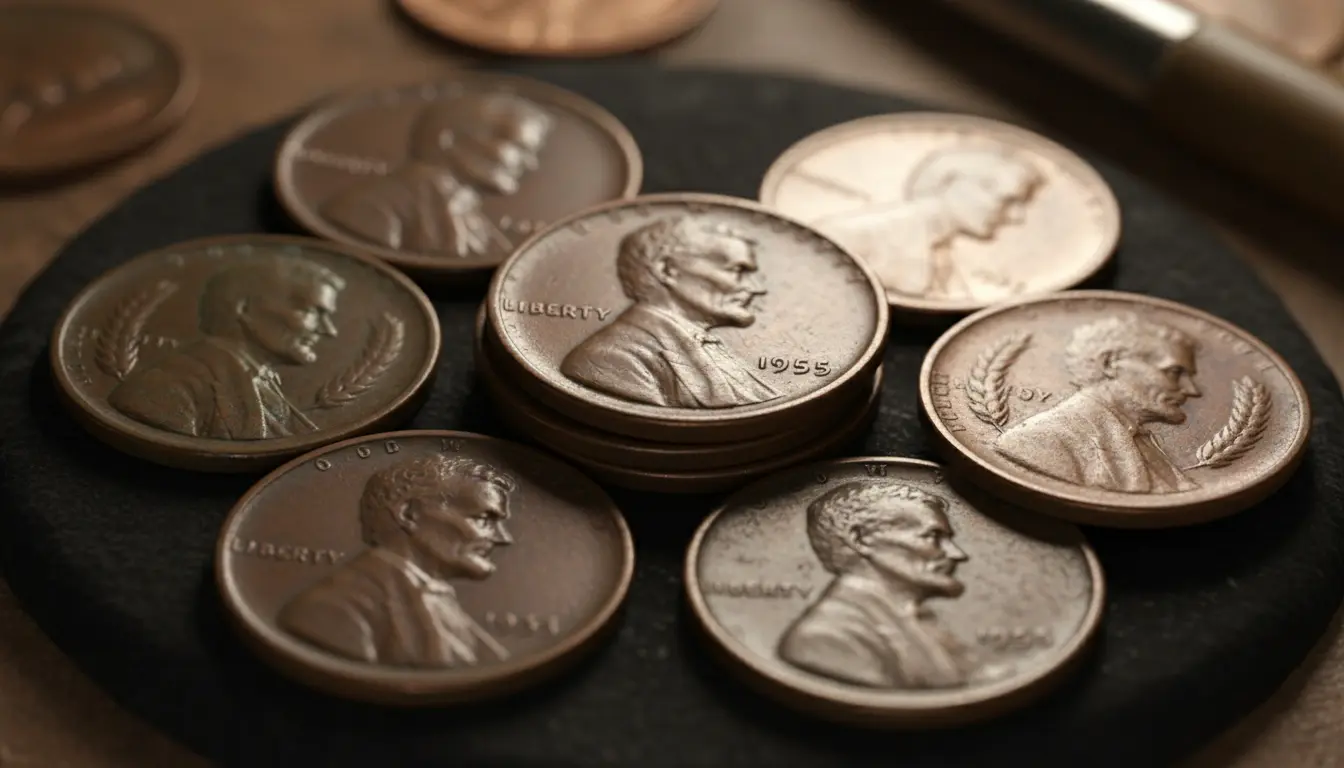
Lincoln Wheat Pennies were minted from 1909 to 1958 and remain one of the most collectible U.S. series. This handbook gives a practical, year-by-year approach for identifying value, spotting key dates, and making smart buys or finds.
How to Use This Year-by-Year Hunter’s Handbook for Lincoln Wheat Pennies
Start by learning the main value drivers: date, mint mark, condition, and errors. Use the year group sections below to focus searches and prioritize coins that commonly hide value.

Carry a concise reference (printed or on your phone) listing the top key dates so you can quickly flag potential finds.
Understanding What Makes Lincoln Wheat Pennies Valuable
Four main factors determine worth: rarity (mintage), condition (grade), mint mark, and collector demand. Certain errors and varieties also command premiums.
Common modern tools include a loupe (10x), reference guides, and an online price guide for recent auction results. Always verify with an experienced dealer for high-value coins.
Lincoln Wheat Pennies Year-by-Year Hunting Strategy

Approach collecting by era. Each decade has its own strong dates and typical issues to watch for.
1909–1919: The Early Rarity Years
Key traits: first-year issues, designer initials VDB controversy, and low San Francisco mintages. These are often the highest value pennies by date.
- 1909 VDB and 1909-S VDB — Look for the VDB initials on the reverse. These are among the most sought early types.
- 1914-D — Low mintage Denver issue and a classic key date for many collections.
1920s: Quiet Scarcity and Varieties
Most 1920s dates are common in circulated grades, but specific mint-mark varieties and business-strike condition coins can be valuable.
- 1922 Plain (no D) — A notable variety occurs where the Denver mint mark is weakly struck or missing on some coins.
- 1926-S — Scarcer in high grades; inspect strike quality closely.
1930s: Depression-Era Rarities

Mintage drops during the Depression produced several scarce dates. Look for low-mintage San Francisco and Denver issues.
- 1931-S — Lower mintage and harder to find in higher grades.
- 1933/1934 — Watch for doubled dies and other die varieties.
1940s: War-Era Changes and Error Opportunities
The 1940s include the 1943 steel cent story and transitional issues. Errors and uncommon compositions appear here.
- 1943 Copper — Extremely rare; most 1943 cents are steel. Copper finds can be worth very large sums depending on grade.
- 1944 Steel (rare) and 1944-S/1944-D variations — Check composition and weight.
1950s: Late-Series Finds and Error Collecting
Later wheat cents are common in low grades, but popular error coins and doubled dies come from this era.
- 1955 Doubled Die Obverse — A dramatic doubled date and lettering error that often commands premiums.
- 1958 — Last year of the wheat reverse series; condition-sensitive for collectors finishing sets.
Grading and Authentication for Lincoln Wheat Pennies
Grades range from Poor (P) to Mint State (MS). Even small differences in preserved detail can create large price changes.
Key steps: compare high and low points of Lincoln’s cheek, hair detail, and wheat stalks. Use certified third-party grading for coins believed to be high value or rare varieties.
Practical Search Tips for Year-by-Year Hunters
Proven hunting locations include coin rolls, estate collections, coin shows, and bank orders for circulated rolls. Always ask permission before searching private collections.
Use these quick checks when scanning rolls or lots:
- Check composition and weight for 1943 and 1944 anomalies.
- Look closely at the reverse near the rim for VDB or mint mark anomalies.
- Use a bright light and loupe to spot doubling, repunched mint marks, and weak strikes.
Case Study: Finding a Key Date in an Estate Lot
A collector bought a mixed estate coin lot for research and resale. While inventorying, they noticed a faint VDB on a 1909 reverse. After authentication and conservative grading, the coin sold privately to a specialist collector.
Lesson: Always inventory lots carefully; a single key date can cover the purchase cost and generate profit.
The Lincoln wheat reverse design was used from 1909 to 1958. The designer’s initials VDB were removed from most 1909 coins after public criticism, making some 1909 VDB coins especially collectible.
When to Buy, Sell, or Get a Coin Graded
If you suspect a coin is a key date or an error, get a professional opinion before selling. Certified coins attract stronger buyer confidence and typically better prices.
For common dates in low grades, selling in bulk or to local dealers is practical. Hold back potentially scarce dates for individual sale or third-party grading.
Final Practical Checklist for Year-by-Year Hunters
- Carry a small reference of key dates by era.
- Use a 10x loupe and a scale for composition checks.
- Document find provenance and get high-value pieces graded.
- Join local clubs or online forums to verify unusual varieties quickly.
Following a systematic, year-by-year approach will help you separate common Lincoln Wheat Pennies from true value. Keep records of finds, learn to grade conservatively, and consult specialists for high-ticket coins.