
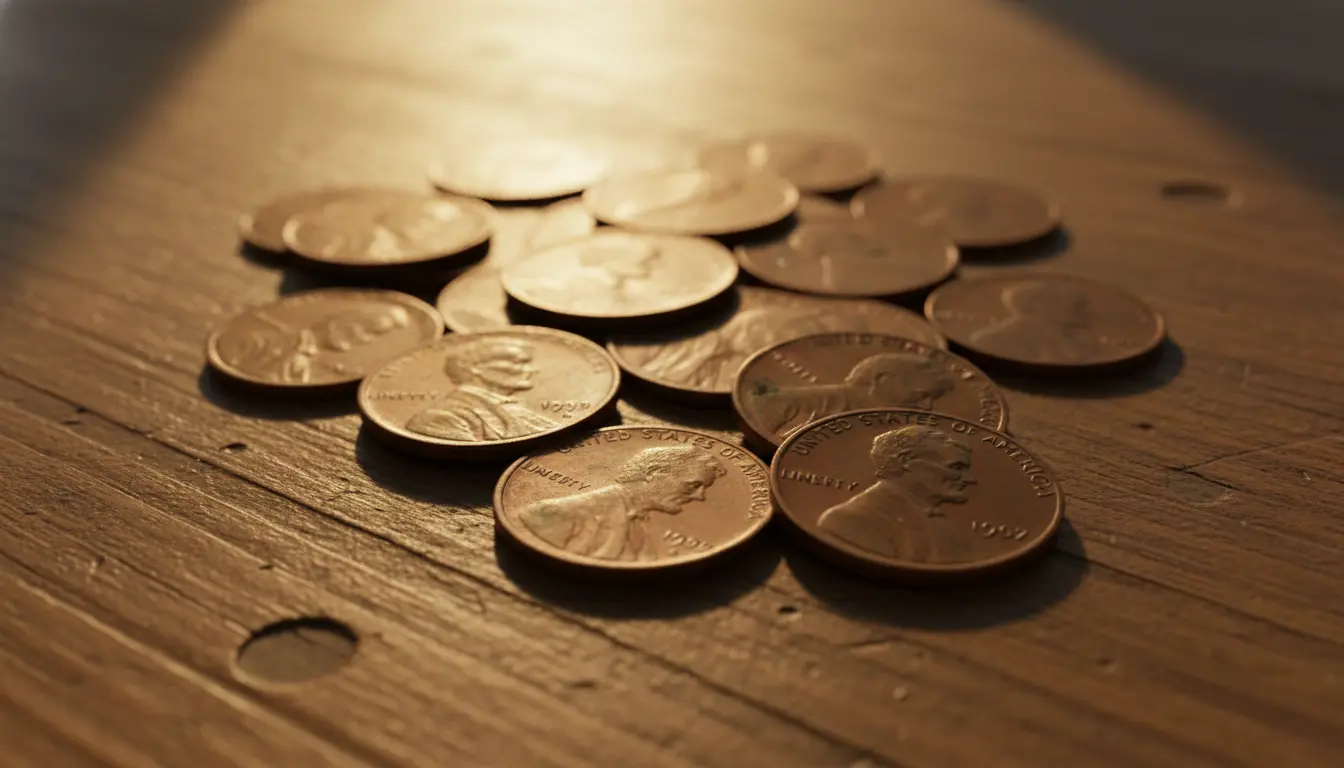
Wheat pennies, struck from 1909 through 1958, are more than pocket change. These small copper coins carry design history, wartime stories, and occasional high-value varieties that still turn up in jars and cash registers.
Why wheat pennies matter
Wheat pennies introduced the Lincoln cent and commemorated Abraham Lincoln’s 100th birthday. The design is easy to recognize: the obverse with Lincoln’s profile and the reverse with two stalks of wheat framing the words ONE CENT.

Collectors and casual finders value these coins for three reasons: historical significance, identifiable varieties, and the potential for surprisingly high market value when rare examples appear.
1909–1958 wheat pennies key dates and varieties
Knowing which dates and varieties to watch is the most practical step toward finding value. Not every old penny is valuable, but a few specific types are consistently sought-after.
High-interest dates and varieties to check
- 1909 VDB and 1909-S VDB: Early Lincoln cents with designer Victor David Brenner’s initials on the reverse. These are among the most noted 1909 varieties.
- 1914-D: A scarce Denver mint issue that often commands a premium in higher grades.
- 1922 No D (1922 plain): A Denver strike where the mint mark failed to appear on many coins; the plain 1922 is rare in higher grades.
- 1931-S: A lower-mintage San Francisco issue that is uncommon in circulated condition.
- 1943 copper cents: Most 1943 cents were steel plated with zinc due to wartime copper needs. A few copper 1943 cents are extremely rare and valuable.
- 1955 Double Die Obverse: A dramatic doubled-die error on the obverse producing doubled lettering and features—highly collectible.
How to spot mint marks and differences
Mint marks (D for Denver, S for San Francisco) appear on the obverse near the date for most years. Lack of a mint mark usually means Philadelphia (no letter). Look carefully under magnification because wear can obscure small features.

Varieties like doubled dies or repunched mint marks often require close inspection under a loupe or with a phone macro lens. Refer to reputable variety guides or online databases when you think you may have found something unusual.
How to inspect wheat pennies for value
Follow a simple inspection routine before assuming a coin is valuable. Most wheat pennies are common and worth only face value or a little above to collectors.
Quick inspection checklist
- Check the date and mint mark under magnification.
- Look for doubling on letters, especially on the date and LIBERTY.
- Note color: original red-brown copper patina is desirable; green or black spots indicate corrosion.
- Assess wear: coins with original luster and full details are worth more.
When you find a coin that looks unusual, avoid cleaning it. Cleaning can drastically reduce collector value by removing original surface and patina.
Preserving, documenting, and selling wheat pennies

If you suspect you have a valuable wheat penny, document it first. Take sharp photos from both sides, note any visible mint marks, and record where and when you found it.
For significant finds, professional authentication and grading by services like PCGS or NGC can increase buyer confidence and final sale price. Smaller finds often sell well to local dealers or through auction sites targeted at collectors.
Storage and care tips
- Store coins in inert holders (Mylar flips or archival folders).
- Keep coins dry and away from acidic paper or PVC-containing plastics.
- Handle coins by the edges to avoid fingerprints and oils.
The 1955 doubled die Lincoln cent is one of the most famous modern U.S. errors. Doubling appears clearly on the date and motto and can make a circulated coin worth multiple times its typical value.
Simple field examples and a short case study
Example: You find a worn 1943 penny in a jar. First check color—steel pennies of 1943 are silver-colored. If the coin is brown or red, it may be a rare copper 1943 and worth professional examination.
Case study: A homeowner sorted spare change left from decades and found a worn but legible 1955 doubled die. After photographing the coin and confirming the doubling on multiple letters, they submitted it for grading. Authentication increased buyer confidence, and the coin sold for several thousand dollars at auction—far more than face value or a local dealer trade-in offer.
Where to learn more and next steps
Start building a reference library of guides and online resources specific to Lincoln wheat cents. Use community resources like local coin clubs or online forums to compare notes and verify unusual finds.
Always compare multiple sources before selling a potentially valuable coin. Authentication, good documentation, and choosing the right sales channel can make a major difference in final value.
Wheat pennies are a practical entry to coin collecting. With a basic eye for key dates and a careful inspection routine, you might discover that hidden treasure in your pocket is worth far more than one cent.