
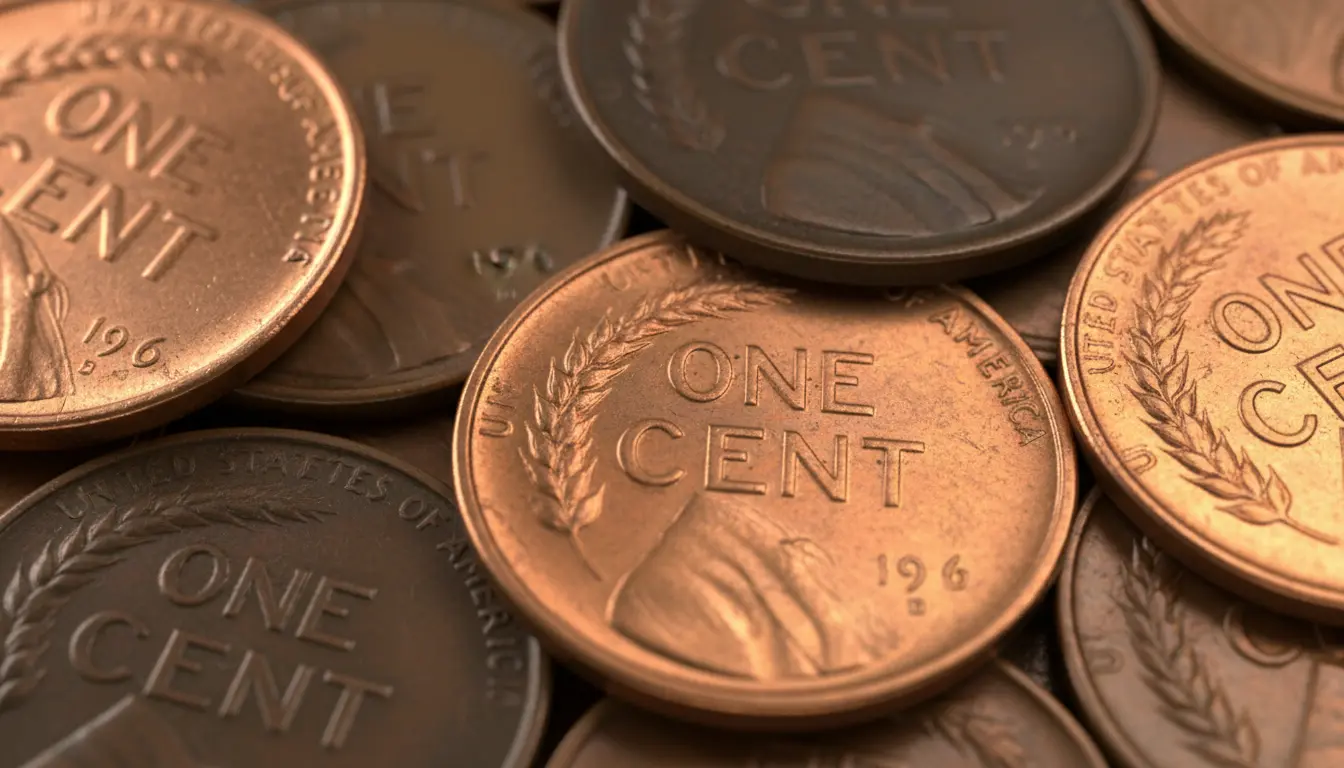
Wheat Penny Values Overview (2015–2025)
Wheat pennies remain a core interest for casual collectors and serious numismatists. Over the past 11 years, prices for common circulated wheat cents have stayed low, while rare dates, high grades, and error coins generally increased in value.
This guide explains trends, how to check values, and practical steps to evaluate and sell wheat pennies.
Why Wheat Penny Values Change

Market demand, online auction activity, coin grading, and metal prices all affect wheat penny values. Collecting interest peaked at different times, and platforms like eBay and dedicated auction houses made prices more transparent.
Key influences include:
- Collector demand for specific dates and mint marks
- Certified coin grades from PCGS and NGC
- Availability of high-grade examples
- Public awareness of errors and varieties
General Value Ranges
For quick reference, here are realistic value ranges seen over the last decade for typical wheat pennies:
- Common circulated dates: generally $0.05 to $2
- Better dates in low grades: $5 to $50
- High-grade uncirculated (MS60+): $50 to several hundred dollars
- Key rarities and major errors: hundreds to tens of thousands, depending on grade
Key Wheat Penny Dates That Held or Grew in Value

Certain dates consistently outperform the rest. Watch for mint marks and known error varieties. These are often the most liquid and sought-after pieces.
- 1909-S VDB — iconic and desirable in all grades
- 1914-D — a high-demand semi-key issue
- 1922 plain — scarce and often valuable in quality
- 1955 Doubled Die Obverse — a well-known error that attracts strong collector interest
Small Collectible Varieties to Know
Errors and varieties often appreciate more quickly than common strikes. Examples include doubled dies, off-center strikes, and the rare 1943 bronze cent.
The wheat penny design was used from 1909 to 1958. That means many dates are over 60 years old, and condition matters more than age for value.
How to Check the Value of Your Wheat Penny

Follow these steps to estimate value quickly and accurately. Use multiple sources before deciding to sell.
- Identify the date and mint mark. Look under the date for D or S marks.
- Assess condition. Grades range from Poor (P) to Mint State (MS). Even small differences in wear can change value.
- Search completed sales. Check eBay sold listings and auction records for coins in similar grade.
- Consult price guides. Use PCGS, NGC, and recent dealer price lists as a baseline.
- Consider third-party grading. For coins that might exceed $200, grading can increase buyer trust and price realization.
Practical Tips for Grading at Home
- Use a loupe (10x) to inspect details like lettering and rims.
- Compare to grade photos from PCGS or NGC.
- Note any cleaning, scratches, or corrosion — these reduce value significantly.
How the Market Shifted in the Past 11 Years
From 2015 onward, transparency increased thanks to online marketplaces. High-grade and error coins saw steady demand, while common circulated coins remained priced near face value unless in exceptional condition.
Grading services expanded their certifications, and collectors increasingly prefer certified pieces for high-value purchases. That trend supported price growth at the top end of the market.
Real-World Example: A Small Case Study
In 2016 a private seller listed a 1955 Doubled Die Obverse in about AU (Almost Uncirculated) condition on an auction site and received roughly $300. The same type of coin, in comparable or better condition, regularly fetched $700–$1,500 by 2023 as awareness and demand increased.
This example shows how specific well-known varieties can appreciate faster than the general market. It also highlights the value of photographing and describing condition accurately when selling.
How to Sell Your Wheat Pennies
Choose a method based on convenience versus maximum return. For single low-value coins, local coin shops or classified listings work fine. For higher-value or rare pieces, use an auction house or online sales with strong images and provenance.
- Local coin dealers — quick sale, lower fees
- eBay/online marketplaces — wider buyer pool but requires good listing skills
- Coin shows and conventions — face-to-face negotiation with collectors
- Professional auction houses — best for top-end rarities or lots
Checklist Before You Sell
- Confirm date and mint mark
- Take sharp photos under neutral lighting
- Check recent sold prices for similar condition
- Consider third-party grading if value likely exceeds grading cost
- Be honest about cleaning or damage in your listing
Final Practical Advice
Over the past 11 years wheat penny values showed steady interest for key dates and error coins, while common pieces stayed inexpensive. Careful identification, realistic grading, and using multiple sales channels will maximize results.
Start by sorting your collection for dates and obvious errors, then research comparable sales before deciding to sell or submit coins for grading.