
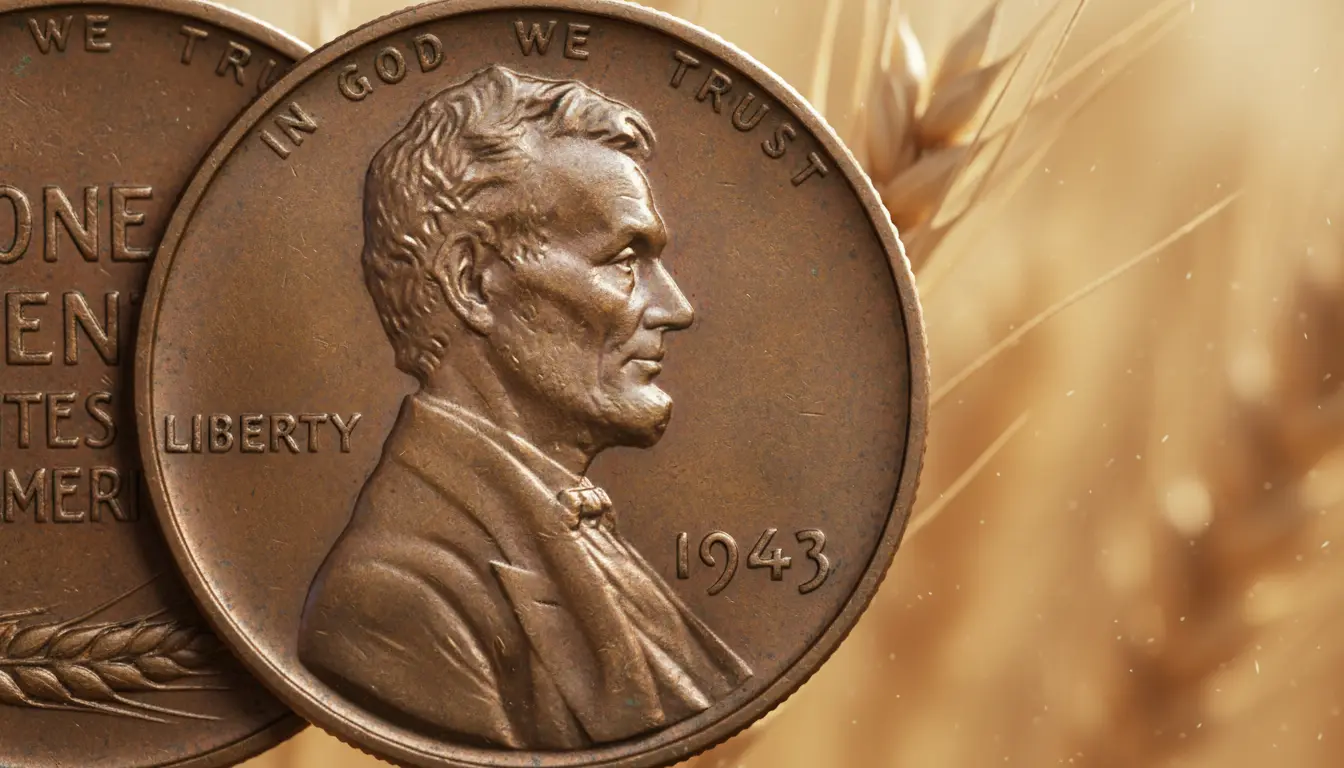
Why the $1.9 Billion Claim Needs a Reality Check
Internet headlines sometimes claim a single Lincoln Wheat penny is worth $1.9 billion. That grabs attention, but coin values do not work that way. Professional markets, auction records, and documented provenance set realistic prices.
A handful of Lincoln Wheat cents are extremely valuable, but valuations in the billions are not supported by auction history or collector demand. Understanding how rarity and condition drive price will help you judge rumors.
How a Lincoln Wheat Penny Gets Value

Value comes from specific factors. Each factor plays a part in whether a coin is worth face value, hundreds, thousands, or—very rarely—hundreds of thousands.
- Rarity: How many were made and how many survived.
- Condition (grade): The better the strike and preservation, the higher the grade and price.
- Errors or variations: Mistakes like wrong metal or doubling can create collector interest.
- Provenance: A documented history or famous collection can raise value.
- Market demand: Collector interest changes with trends and economic conditions.
Common high-value Lincoln Wheat penny types
Collectors watch for a few well-known types. These include:
- 1909-S VDB — one of the earliest key dates for the Lincoln cent series.
- 1914-D — scarce, especially in high grades.
- 1922 No D — many were repunched or weakly struck, making authentics valuable.
- 1955 Doubled Die — a dramatic doubled image on the obverse that is widely recognized.
- 1943 copper (or bronze) cents — error strikes in copper instead of steel from WWII are extremely scarce.
How to Check If Your Lincoln Wheat Penny Is Rare
Use basic tools to make a first assessment. These steps help separate ordinary coins from those worth professional attention.
- Look closely at the date and mint mark with a magnifier or loupe.
- Weigh the coin: a true 1909–1942/1944–1958 copper Lincoln weighs about 3.11 grams; a 1943 steel cent weighs roughly 2.7 grams.
- Use a magnet: steel cents are magnetic; bronze/copper cents are not.
- Compare to clear reference photos for known errors like doubled dies or missing mint marks.
- Do not clean the coin — cleaning can destroy value.
Simple tests you can do at home

These quick checks are safe and non-destructive.
- Magnifier inspection for doubling or repunched mint marks.
- Small kitchen scale to check weight within 0.1 gram.
- Magnified photos compare to reference examples from PCGS or NGC.
Most Lincoln Wheat pennies minted after 1909 are common and worth little more than face value. Only specific dates, mint marks, or errors push a coin into the collectible price ranges.
When to Seek Professional Authentication
If a coin passes your basic tests and looks unusual, professional grading is the next step. Third-party grading services (like PCGS or NGC) provide authentication and an official grade.

Consider third-party grading if:
- The coin is an extremely rare date or shows a dramatic error.
- You plan to sell at auction or to a serious collector.
- You need a formal market valuation or insurance documentation.
How grading affects resale
A high numeric grade from a respected service can multiply a coin’s price because buyers trust the assessment. Slabbed coins are easier to sell to serious collectors and dealers.
Real-World Example: A Rare 1943 Bronze Penny
There are documented cases where a 1943 bronze Lincoln cent—struck in copper instead of steel—sold for large sums. One such example reached well into six figures at auction after authentication and strong collector interest.
This shows rare, verifiable errors can be extremely valuable. However, even that example is many orders of magnitude less than $1.9 billion, which remains beyond documented market realities.
Practical Steps If You Think You Have a Rarity
If you find what might be a rare Lincoln Wheat penny, follow a careful plan so you do not damage its value.
- Do not clean or alter the coin.
- Photograph both sides in good light and with a magnifier if possible.
- Weigh and perform a magnet test as basic screening tools.
- Compare photos to reputable references and auction archives.
- Consult a reputable coin dealer or send images to a grading service for a preliminary opinion.
What to Expect in Market Terms
Most valuable Lincoln Wheat cents that change hands do so for thousands to low millions, depending on rarity and grade. Pieces crossing the million-dollar mark are exceptional and well-documented in auction catalogs.
Claims of multi-billion-dollar single-coin sales have no credible auction precedent. If you see such a claim, look for proof: auction house, lot number, buyer, and sale price documentation.
Final Practical Advice
Keep your coins safe and avoid impulsive cleaning or home fixes. Treat any unusual note or image with skepticism until verified by a reputable source.
If you think you might hold a rare Lincoln Wheat penny, gather clear photos and basic test results, then seek professional authentication. That is the best way to find out whether a small coin could be a significant find.
Quick Checklist Before Contacting an Expert
- High-resolution photos of both sides
- Weight and magnet test results
- Any provenance or where the coin was found
- Close-up photo of the date and mint mark
With careful steps and the right expert help, you’ll know whether your Lincoln Wheat penny is a piece of pocket change or a genuine collector treasure. But a $1.9 billion valuation remains a headline, not a documented market reality.