
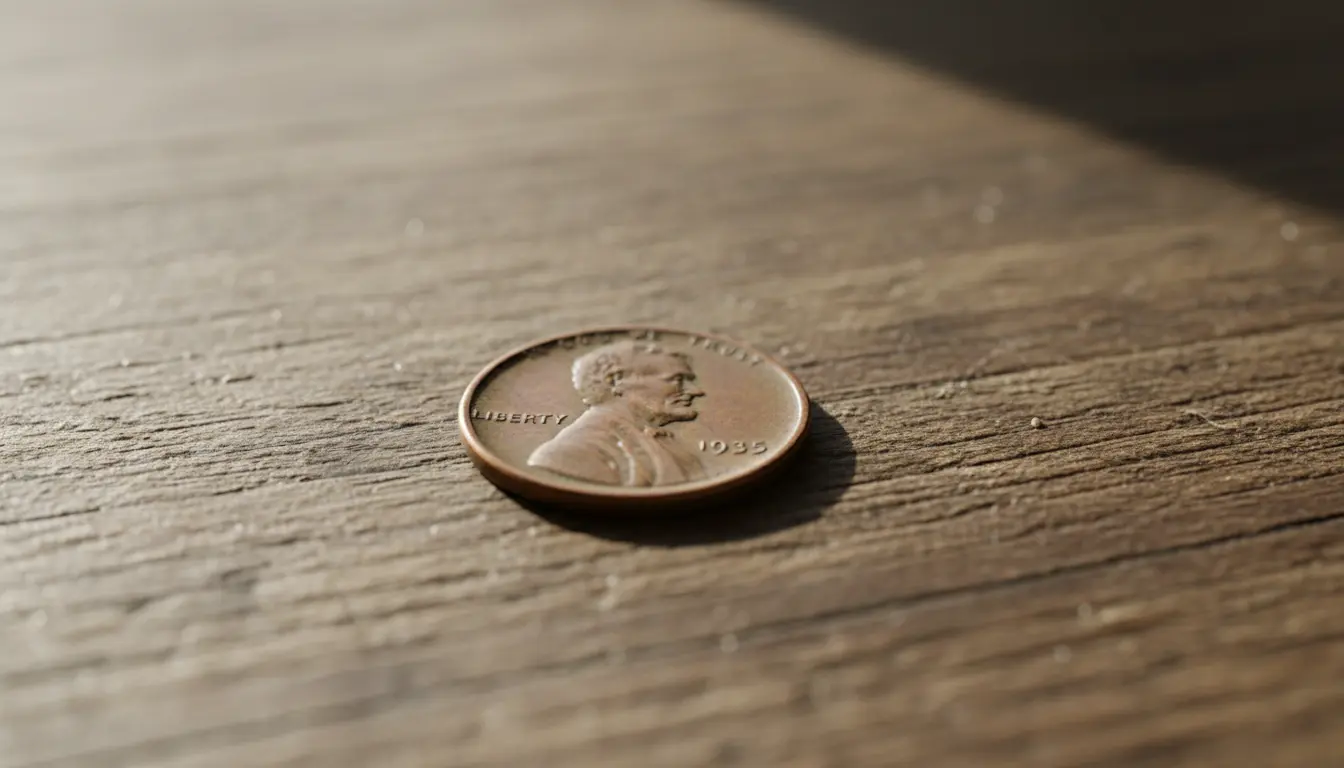
How to read the claim about a Lincoln Wheat Penny valued at 110 million
Online posts sometimes claim a single Lincoln Wheat Penny is worth staggering amounts like 110 million. Most of those headlines are incorrect, misleading, or misunderstand how coin values work.
This article explains why such a claim is unlikely, how to verify a real rare Lincoln Wheat Penny, and what steps to take if you believe you have a valuable coin in circulation.
Why a Lincoln Wheat Penny might attract high values

Most Lincoln Wheat Pennies were minted between 1909 and 1958 on copper alloy planchets. Common dates and worn pieces have modest value, but a few error coins and rare varieties are valuable to collectors.
High value can come from:
- Error strikes (wrong planchet, double die, off-center)
- Low-mintage dates or mint marks in high grade
- Exceptional condition (near-perfect uncirculated)
- Provenance and authentication by major grading services
Common valuable Lincoln Wheat Penny types
Examples collectors watch for include:
- 1943 copper planchet errors (most 1943 cents were steel)
- 1955 doubled die obverse varieties
- 1909-S VDB and 1909-S high-grade coins
- Minimal mintage or unique die pairings
Is a 110 million valuation realistic for a Lincoln Wheat Penny?

No reputable auction record exists of a Lincoln Wheat Penny selling for 110 million. The most expensive coins ever sold are rare gold or early silver issues, and even those sales generally fall well under 110 million.
When you see a huge figure like 110 million attached to a penny, treat it as a clickbait headline or a viral misunderstanding until verified by major auction houses or graders.
The famous 1943 copper Lincoln cent is one of the most valuable pennies; authenticated examples have sold for over one million dollars, but not anywhere near 110 million.
How to check if your Lincoln Wheat Penny is genuinely rare

Follow a few practical steps before accepting any viral valuation claim.
- Examine the date and mint mark carefully under magnification.
- Look for obvious errors: doubled letters, wrong metal color, or off-center strikes.
- Note the coin’s condition: sharp detail and original luster raise value dramatically.
- Compare with trusted references like the PCGS or NGC online guides and price databases.
Quick checklist for owners
- Do not clean the coin — cleaning reduces collectible value.
- Handle by the edges and store in protective holders.
- Photograph the obverse and reverse in good light for records.
- Get a professional opinion if the coin looks unusual.
Steps to authenticate and value a Lincoln Wheat Penny
If you believe a penny could be exceptionally valuable, use reputable services and follow these steps.
- Obtain high-resolution photos and detailed notes about where you found the coin.
- Contact an accredited coin dealer or local coin club for an initial appraisal.
- If the initial opinion is positive, submit the coin to a major grading service like PCGS or NGC for authentication and grading.
- Use past auction records from Heritage, Stack’s Bowers, and major houses to estimate market value.
What grading and provenance do for value
Professional grades and documented chain of ownership add confidence for buyers at auction. A certified slab from PCGS or NGC often brings significantly higher sale prices than an uncertified coin.
What to do if you find a rare Lincoln Wheat Penny in circulation
If you find a penny that appears to be rare, follow this practical process:
- Do not clean it. Place it in a soft plastic flip or coin envelope.
- Document the find: date, location, and any conversation about the find.
- Get an initial opinion from a trusted local dealer or numismatic society.
- Consider sending it for third-party grading if the consensus is the coin is likely valuable.
Case study: The 1943 copper planchet example
One well-documented example involved a family who saved a 1943 copper Lincoln cent without realizing its rarity. Experts authenticated it as a copper planchet error — a year many cents were struck on steel. After professional grading and auctioning, the coin fetched a seven-figure sum at auction.
That case shows how a small error, provenance, and professional authentication can produce significant value. It also highlights that high-end sales are documented and public — not anonymous viral claims.
Final practical tips for collectors and finders
Keep expectations realistic. Most Lincoln Wheat Pennies are worth face value or modest premiums. Use professional resources and avoid trusting sensational online valuations without evidence.
- Use trusted price guides (PCGS, NGC, Heritage).
- Join a coin club to learn and verify opinions without high pressure.
- Insure and properly store any coin that is graded and authenticated.
- When selling, use reputable auction houses or dealers who publish sale results.
Following these steps will help you separate fact from hype, protect potentially valuable coins, and maximize the return if you really do find something rare in circulation.