
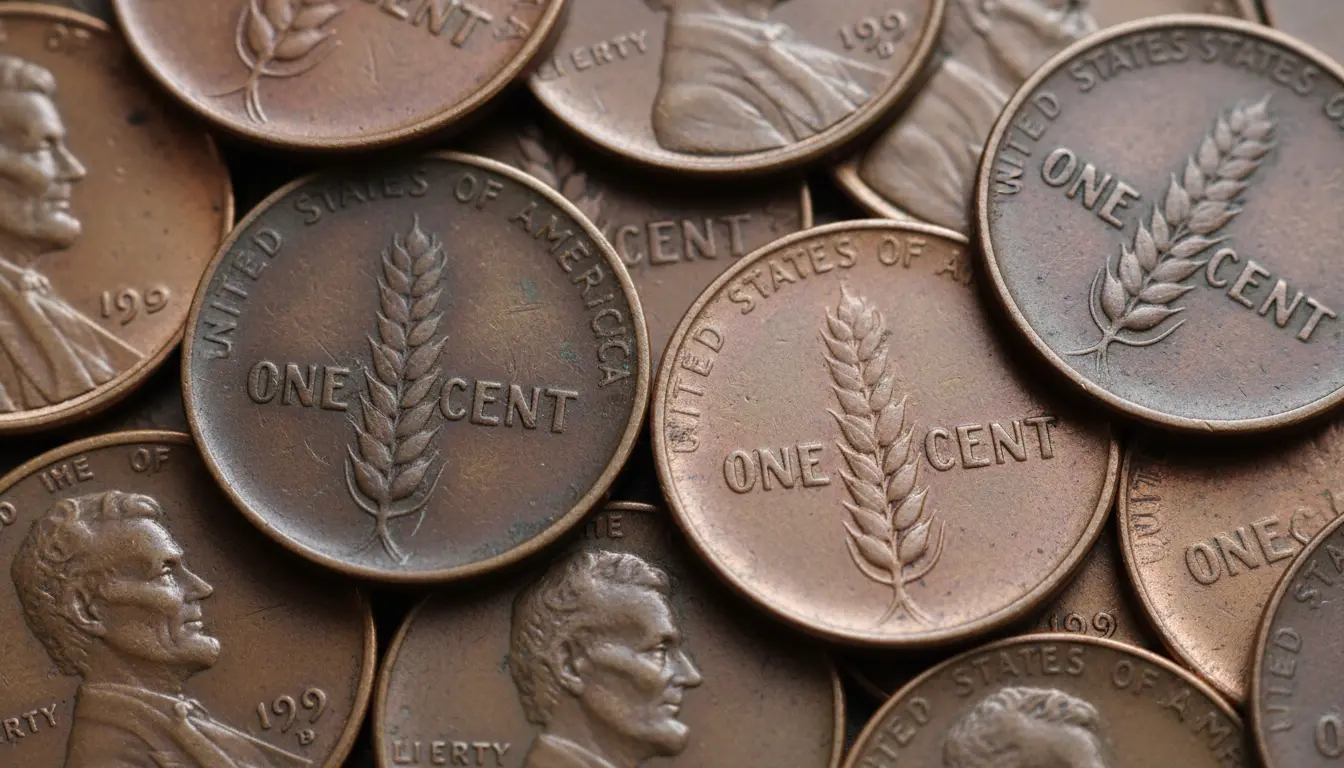
Wheat Penny Values in the Last 10 Years: What Changed
Over the last decade, wheat penny values shifted because of collector demand, auction records, and discovery of error coins. Prices for routine dates stayed low, while a few rare dates and mint errors rose sharply.
This article summarizes patterns in wheat penny values from roughly 2015–2025 and gives practical steps to identify coins that could be worth thousands.
Why Wheat Penny Values Moved in the Last 10 Years

Three forces moved prices: condition-driven collector interest, online auction visibility, and error/variety research. Collectors increasingly pay premiums for high-grade examples and confirmed die errors.
Online marketplaces and certified-auction results made rare sales public, pushing some prices higher because buyers could compare and bid across markets.
Collector demand and grading
High-grade wheat pennies (MS65 and above) gained value because fewer exist in top condition. Certification by third-party graders like PCGS or NGC became a stronger price driver.

As grading standards and population reports became more accessible, the premium for certified, high-grade coins increased noticeably.
Errors, varieties, and research
Newly documented die varieties and mint errors attracted specialist collectors. When a verified error surfaced and was confirmed by experts, values could jump from a few dollars to thousands.
Important examples include doubled dies, repunched mint marks, and off-center strikes that were authenticated and published in reference works.
Top Wheat Penny Dates and Errors That Rose in Value

Not every wheat penny rose in price. Here are the categories that showed the biggest gains over the last 10 years.
- Key scarce dates in high grades (for example, 1909-S VDB in higher mint state grades).
- Well-documented doubled dies and repunched mint marks that were authenticated by grading services.
- Extremely high-grade common dates (MS66+), where scarcity of flawless surfaces supports strong prices.
Examples of high-value types
Some wheat pennies consistently attract high bids when certified. Examples include 1909-S VDB, select 1914-D specimens, and certain die marriage errors.
Values vary dramatically by grade and verification: an uncertified circulated 1909-S VDB might sell for hundreds, while a certified MS65 could fetch thousands.
Wheat pennies were minted from 1909 to 1958. A single authenticated error coin or an ultra-high-grade specimen can increase in value by tens or even hundreds of times compared with common circulated examples.
How to Find Wheat Pennies That Might Be Worth Thousands
Finding valuable wheat pennies requires a methodical approach: search, sort, identify, and verify. Common sources are pocket change, rolls purchased from banks, estate lots, and online coin lots.
Focus on condition first, then look for key dates and obvious errors. Use a magnifier and a basic price guide as you sort.
Practical steps
- Gather coins and arrange by date and mint mark.
- Use a 10x loupe to inspect die features, doubling, and mint mark anomalies.
- Compare suspicious coins to reference photos in online variety guides.
- If a coin looks rare or error-prone, consider third-party grading for reliable valuation.
Verifying and Selling Valuable Wheat Pennies
Verification matters. Certification from PCGS or NGC generally increases buyer confidence and price. For very rare varieties, seek opinions from experienced numismatists or variety registries.
When selling, use auction houses or specialist dealers for high-value coins. Avoid low-visibility marketplaces for expensive items unless you can verify authenticity and provide quality photos and provenance.
Tips for authentication
- Request multiple opinions on unusual errors.
- Compare to population reports and auction records to estimate realistic values.
- Keep provenance documentation and high-quality photos to support claims.
Small Case Study: A Roll Search That Paid Off
A collector in Ohio bought ten rolls of mixed cents from a local bank in 2018. While sorting, they found a 1914-D wheat penny in very nice condition. After grading, the coin was certified as XF45 and sold on a specialist auction site.
The final sale was several thousand dollars, far above the roll cost. The key factors were the date scarcity and the coin’s relatively high grade for that year.
Practical Price Ranges and What to Expect
Expect wide price ranges. Common circulated wheat pennies often trade for 5–50 cents, while key dates in mid-grade can be $50–$500. Certified high-grade and verified error pieces can range from $1,000 to $100,000+ depending on rarity and documentation.
Always cross-check recent auction results rather than relying on old book values, since the last 10 years have shown notable market shifts.
Quick checklist before spending money
- Is the date and mint mark readable?
- Are there signs of doubling, repunched marks, or off-center strikes?
- How does the surface quality compare to population reports?
- Would grading or expert authentication likely increase the coin’s value?
Final Practical Advice on Wheat Penny Values
Over the last 10 years, the most consistent path to discovering high-value wheat pennies has been careful searching and prompt authentication. Condition and verified errors drive the largest premiums.
Stay current with auction results and variety research. A single authenticated find can turn a handful of cents into a significant payday.
If you have a group of wheat pennies and want help evaluating specific dates or suspected errors, list the dates and any visible anomalies and seek an expert opinion before major expense on grading.