
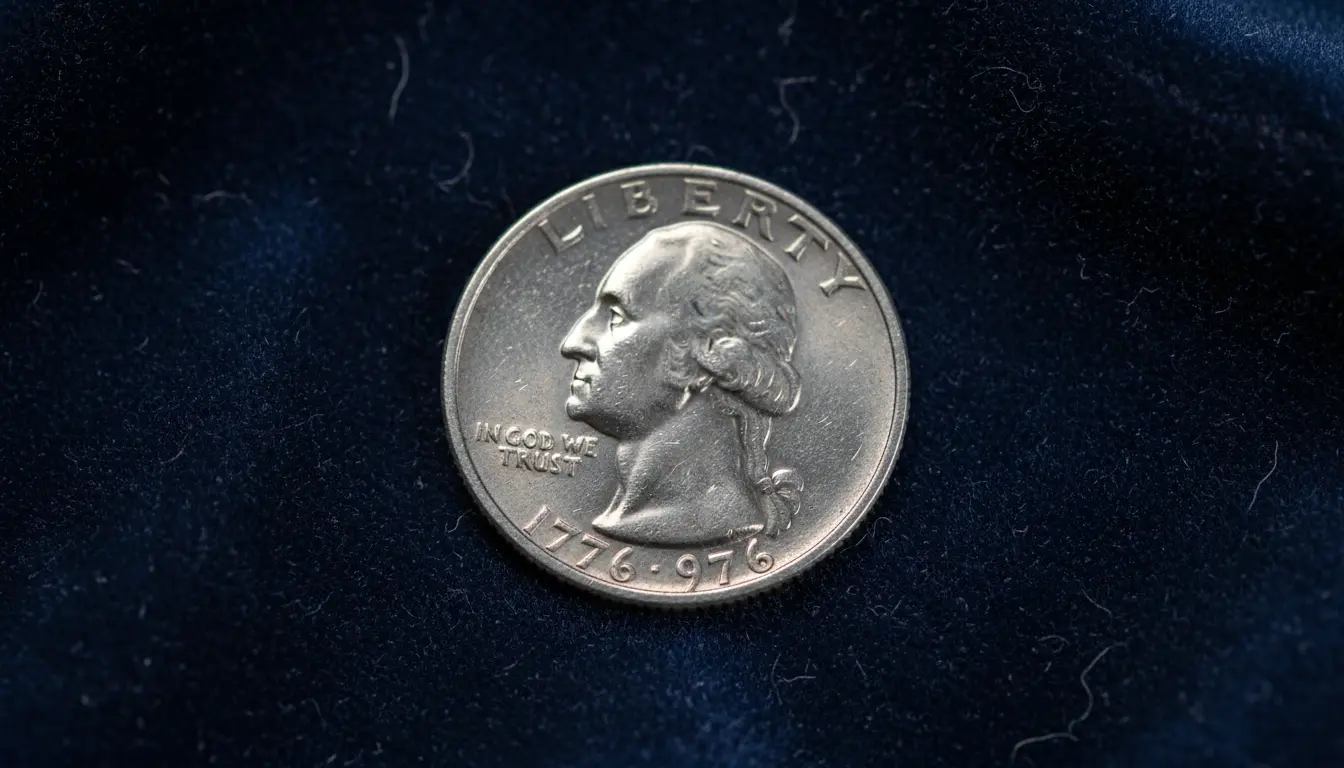
How to Spot Rare Bicentennial Quarters
The 1976 Bicentennial Quarter is common in most collections, but a few error coins and special strikes attract serious collectors. Knowing what to look for helps you separate a typical quarter from a potentially valuable specimen.
This guide explains practical checks, key error types, authentication steps, and where to sell if you find something unusual.
Know the Basics of Bicentennial Quarters

Bicentennial Quarters were issued with the dual date 1776–1976 and a drummer on the reverse. Strikes came from Denver (D) and San Francisco (S), and from Philadelphia (no mint mark).
San Francisco also produced special 40% silver proof quarters for collectors. Proofs and silver strikes are the first place to check when hunting for value.
Key identifying features
- Dual date 1776–1976 on the obverse.
- Drummer design on the reverse by Jack L. Ahr.
- Mint marks: D (Denver) and S (San Francisco). Philadelphia pieces show no mint mark.
- Edge: reeded. Composition varies by strike (clad vs. silver proof).
What Makes a Bicentennial Quarter Potentially Extremely Valuable
Most Bicentennial Quarters are common and worth face value or modest premiums. A very high value (six figures or more) requires a combination of rarity and collector interest.

Examples of value drivers include major mint errors, unique proof anomalies, or a previously unknown die variety with documented provenance.
High-value error types to watch for
- Severe off-center strikes (large off-center percentages are far rarer).
- Major doubled die on the obverse or reverse that changes date or letters.
- Wrong planchet or wrong-metal strikes (a non-clad planchet found in a clad run).
- Severe die cracks, die breaks that produce long raised areas or unique imagery.
- Repunched or missing mint marks in unusual ways.
Step-by-Step: How to Examine a Bicentennial Quarter
Use a loupe (10x) and good light. Handle coins by the edges and avoid cleaning them.
Quick inspection checklist
- Compare the design to a known genuine example. Look for doubled lettering, misaligned elements, or missing features.
- Check the edge for consistent reeding and signs of filing or tampering.
- Weigh and measure the coin if you have precise tools. Modern quarters typically weigh about 5.67 grams and are 24.3 mm in diameter.
- Look for unusual surface characteristics: lamination errors, mismatched metals, or unusual toning patterns.
- Photograph both sides with a macro camera for detailed comparison and later grading submissions.
Authentication and Grading
If you find a candidate that looks rare, get third-party authentication and grading from PCGS or NGC. Slabbed coins with high grades and confirmed errors command the best prices.

Provenance and clear auction records boost value. Avoid self-attributed rarity claims without a reputable certification.
Where to get coins graded and authenticated
- PCGS (Professional Coin Grading Service)
- NGC (Numismatic Guaranty Corporation)
- Local reputable coin dealers who will advise on submission and auction routes
How to Avoid Fakes and Altered Coins
Fraudulent modifications—such as adding mint marks, re-engraving devices, or plating—can make common quarters appear scarce. Use trusted graders to catch these tricks.
Simple home checks include the magnet test (quarters are not magnetic), loupe inspection for tool marks, and comparing weight and diameter against standards.
Real-World Case Study
Case: A collector purchased a proof set from a long-closed estate and found a San Francisco silver proof Bicentennial quarter with a heavy off-center strike. After photographic documentation, the coin was submitted to a top grading service and authenticated as a major error proof.
With grading and a clear provenance statement, the coin sold at a specialist auction for a five-figure sum. This case shows how authentication and provenance turn an oddity into auction-grade value.
The Bicentennial quarter was dated 1776–1976 and many were struck in 1975 to prepare for the celebration year. San Francisco special proofs included a 40% silver composition distinct from circulation strikes.
Where to Sell a Confirmed Rare Bicentennial Quarter
High-value coins should be sold through reputable channels. Consider major auction houses, specialist coin auctions, or top-tier dealers who handle rare error coins.
Online marketplaces can work for lower-value items, but coins claiming extreme rarity belong in a venue that reaches serious collectors and institutions.
Final Tips for Collectors Searching for a Big Find
- Build your eye with comparison photos of known varieties and errors.
- Join local coin clubs and online forums to learn what specialists are currently buying.
- Document any find with sharp photos, weight and measurements, and handling notes.
- When in doubt, submit to a trusted third-party grader before promoting rarity claims.
With careful inspection, documentation, and authentication, an ordinary Bicentennial Quarter could turn out to be far more valuable than its face value. Extreme values require equally extreme rarity and proof, so focus on evidence and certification when you think you have a candidate.