
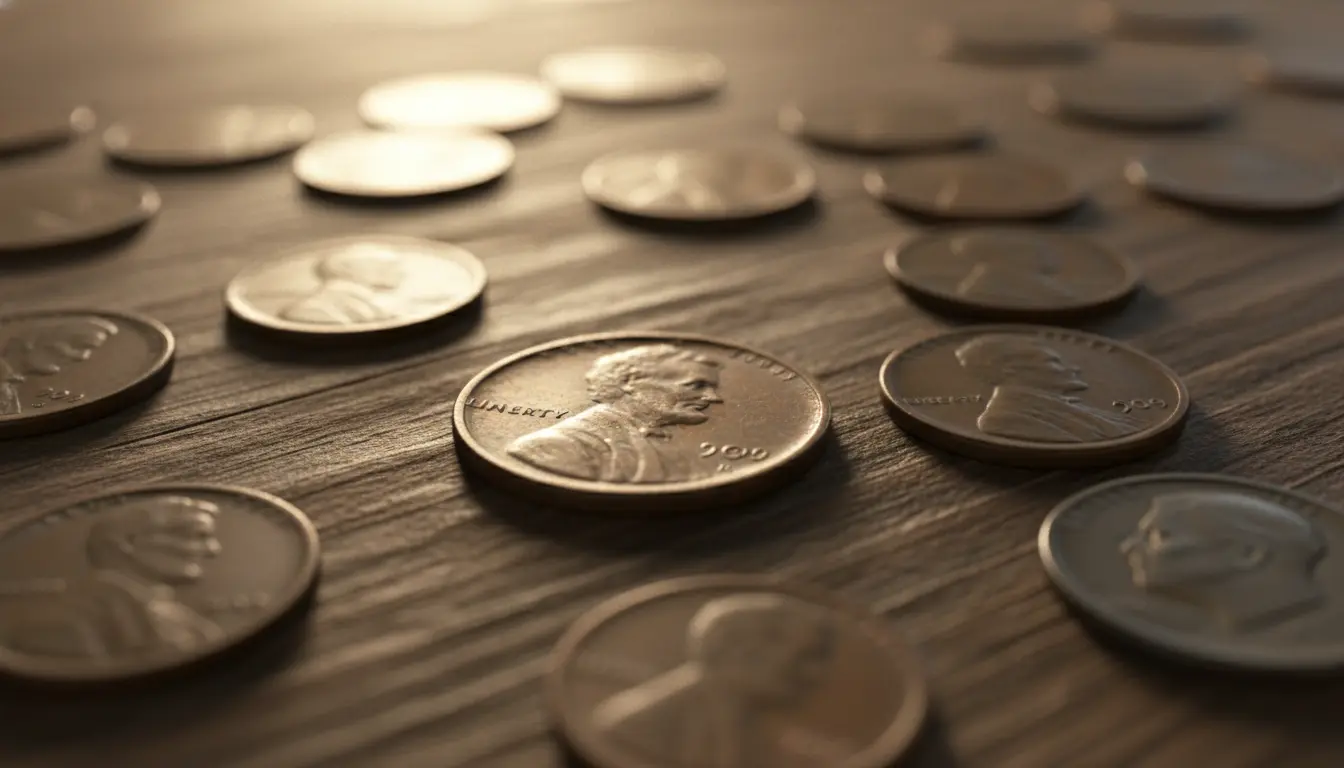
Many people carry coins in jars or pockets without thinking they might be sitting on a valuable piece of history. Lincoln Wheat pennies (1909–1958) were minted in huge numbers, but a few dates, mint marks and errors can be extremely valuable. This guide explains how a Lincoln Wheat penny can be worth $10,000 and shows practical steps to find one in your loose change.
How a Lincoln Wheat Penny Can Be Worth $10,000
Value depends on scarcity, condition, and collector demand. Certain dates and mint errors are rare, and well-preserved examples or certified pieces often command top prices. The most valuable pennies combine a scarce variety with high grade or a dramatic minting error.

Examples of key reasons a penny reaches five-figure values include low mintage, distinctive errors, or being among a tiny number of well-preserved specimens. Professional grading and certification by PCGS or NGC typically confirm value.
Key Lincoln Wheat Penny Worth $10,000 Varieties
- 1909-S VDB — Scarce in high grade, strong market demand for mint-marked early issues.
- 1914-D — Low mintage and high collector interest; top-grade examples can reach five figures.
- 1922 No D (no mintmark) — Especially in high grade these can be very valuable.
- 1955 Double Die Obverse — Dramatic doubling on the date and lettering makes well-struck examples worth thousands.
- 1943 Copper (accidental bronze) — Extremely rare and highly prized when authenticated.
Note: Not every example of these dates is worth $10,000. Condition and authentication are essential.
How to Inspect Loose Change for a Lincoln Wheat Penny Worth $10,000
Start with a visual scan of your coins under good light. Use a loupe or smartphone macro lens for closer inspection. Look for key dates (1909, 1914, 1922, 1955, 1943) and mintmarks (D, S) near the date.
What to look for when checking pennies
- Clear date and mintmark info — worn-off dates lower value significantly.
- Unusual surfaces — look for copper color in 1943 pennies and doubling on letters for 1955.
- Die cracks, repunched mint marks, or missing elements — these errors can increase value.
- Overall condition — sharp details and original luster dramatically increase price.

Handle coins by the edges and avoid cleaning them. Cleaning can reduce or destroy collector value.
Steps to Verify and Sell a Rare Lincoln Wheat Penny Worth $10,000
If you suspect a valuable find, take careful steps to verify and protect it. Rushed decisions can cost money and authenticity.
- Document the coin with high-resolution photos showing obverse (front) and reverse (back).
- Compare images with reliable references: coin guides, PCGS, NGC, and major auction results.
- Get a preliminary opinion from a reputable local coin dealer or club before sending anything away.
- Submit the coin for third-party grading (PCGS/NGC) if it appears genuine and potentially valuable.
- For sale, use auction houses, graded coin marketplaces, or reputable dealers specializing in rare U.S. coins.
Insurance and secure shipping are important for high-value submissions and sales. Keep documentation of provenance and communications.
Costs and timelines

Grading fees, shipping, and insurance add to cost. Basic grading can take weeks to months depending on service level and demand. Factor these into your expected net proceeds.
Practical Tips for Finding Hidden Valuable Pennies
- Check jars, piggy banks, and old wallets — small collections often hide rare coins.
- Sort coins by date into labeled trays or envelopes for easier review.
- Join a local coin club or online collector group for experience and help with identification.
- Use a simple magnifier (10x loupe) and a flashlight to reveal details that the naked eye misses.
Regularly reviewing change can pay off. Even if you don’t find a five-figure coin, you may discover dozens of modestly valuable pieces to build a collection or sell.
The Lincoln wheat reverse was used from 1909 to 1958. Some of the most valuable pennies include accidental minting errors like the 1943 copper cent, which can fetch tens of thousands when authenticated.
Real-World Case Study: Finding a Rare Penny in a Jar
In 2018 a collector in the Midwest checked a jar of pocket change and found a well-preserved 1914-D Lincoln wheat penny. At first glance it looked ordinary, but a clear mintmark and sharp details caught the collector’s eye.
After photographing and comparing it with auction examples, they sent the coin to PCGS for grading. The coin received a high grade and sold at auction for a five-figure sum. The cost of grading and sale fees was small compared with the final price.
The key lessons: careful inspection, professional grading, and patient marketing can turn a small find into a major payday.
Final Checklist Before You Sell
- Confirm date and mintmark with loupe or magnified photos.
- Do not clean the coin — cleaning reduces value.
- Get at least one independent expert opinion before paying for grading.
- Use insured shipping and reputable auction or dealer channels for high-value sales.
Finding a Lincoln Wheat penny worth $10,000 is rare but possible. With careful inspection, proper handling, and professional authentication, you can confidently identify and realize the value of a genuine rare find.