
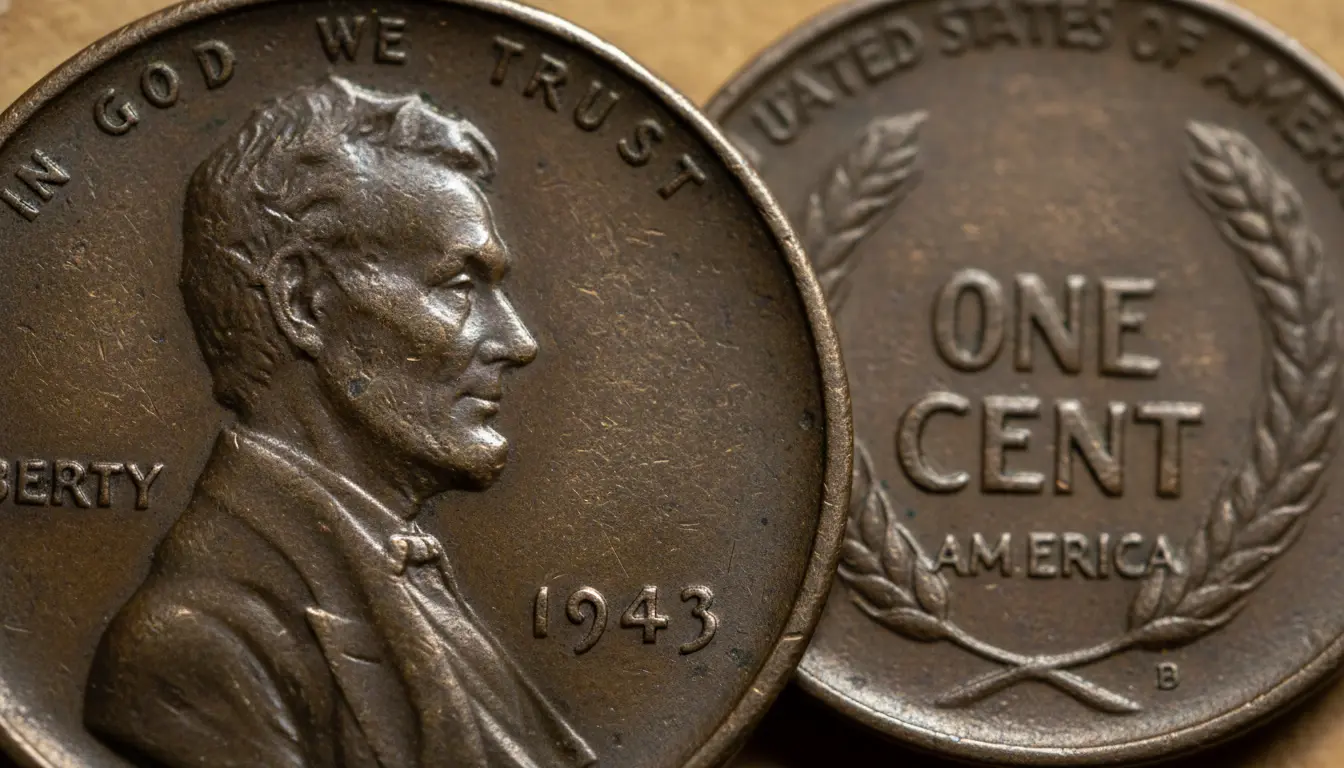
Understanding the claim: Lincoln Wheat Penny Valued at 14 Million
Stories about a Lincoln Wheat penny valued at 14 million dollars often appear online and in social media posts. These claims can mix fact, exaggeration, and confusion about which specific error or date is involved.
It helps to treat any headline price with caution and learn how rare-coin valuation works before assuming a penny in circulation is worth millions.
Why people think the Lincoln Wheat Penny Valued at 14 Million exists

Several factors create viral claims about extreme values for wheat pennies. First, genuine rare pennies have sold for very high prices at auction. Second, certain minting errors (wrong metal, double die, or overdate strikes) are genuinely scarce.
Third, online posts sometimes conflate different coins or misstated sale prices, which inflates public perception that a $14 million wheat penny is common.
Which wheat pennies are truly rare
Key rare types collectors watch for include copper 1943 cents, major doubled-die obverses, and some early 1909 issues. Authentication and certification by recognized services make a huge difference in price.

Lincoln Wheat pennies were minted from 1909 to 1958 and are often called wheat cents because of the wheat stalks on the reverse. Millions were minted, but a few errors are extremely rare and valuable.
Is a Lincoln Wheat Penny Valued at 14 Million still in circulation?
Short answer: almost certainly not. Pennies that reach multi-million-dollar sale prices are almost always held in private collections or museums. They are not likely to be circulating in everyday change.
If a specific wheat penny truly sold for $14 million, it would be documented by major auction houses or numismatic press, and the coin would be tracked by certification services.
How to check if a viral claim is real
- Search reputable auction records (Heritage Auctions, Stack’s Bowers) and numismatic news sites.
- Look for certification numbers from PCGS or NGC in the claim — authentic sales usually list them.
- Beware of screenshots without sources or unverifiable social posts.
How to inspect a Lincoln Wheat penny if you think it’s valuable

Follow a simple, careful process. Handling, photographing, and documenting a potential rarity properly makes authentication easier and prevents damage.
Step-by-step checklist
- Handle the coin only by the edges, ideally with cotton gloves or finger cots.
- Photograph both sides with good lighting and a macro lens or smartphone macro clip.
- Note the date, mint mark (if any), weight, and color (copper vs. steel).
- Compare images to known error types and auction examples from trusted sites.
- Send the coin to a professional grader (PCGS, NGC) if you suspect high value.
How coins are authenticated and valued
Professional grading companies authenticate, attribute, and grade coins. Grading assigns a condition score that majorly affects price. Authentication rules out modern alterations or counterfeits.
A coin with a spectacular error can be worth a lot, but accurate valuation depends on rarity, condition, and collector demand.
Where to sell or get an appraisal
- Submit to PCGS or NGC for grading and authentication.
- Consult trusted dealers or local coin clubs for a preliminary opinion.
- Use major auction houses for high-value sales to reach serious collectors.
Real-world example: How a rare cent was confirmed and sold
A collector once found a surprising 1943 cent while sorting accumulated coins. The coin’s color looked wrong for a typical steel 1943 cent, so the owner photographed it and checked reference sites.
After sending the coin to a professional grading service, the coin was authenticated as a rare copper 1943 cent. It was later sold at auction to a private collector for a seven-figure price. This outcome shows the steps that turn a find into a legitimate sale — careful handling, authentication, and auction exposure.
Practical tips if you find a potential rarity
- Don’t clean the coin — cleaning often lowers value dramatically.
- Keep clear photos and any provenance (where you found it).
- Start with a professional opinion before committing to a sale.
- Get multiple appraisals if the coin might be very valuable.
Final verdict on the Lincoln Wheat Penny Valued at 14 Million claim
Extraordinary price claims deserve extraordinary evidence. While wheat pennies have reached high prices, there is no general pattern of $14 million wheat pennies circulating in everyday change.
If you believe you have a match for a headline claim, follow the verification steps above. Authentication by a major grading service and documentation from reputable auction houses are the clearest ways to confirm any extreme valuation.
Use caution when sharing viral claims and take practical steps to verify any purportedly priceless penny before assuming it could be in your pocket change.