
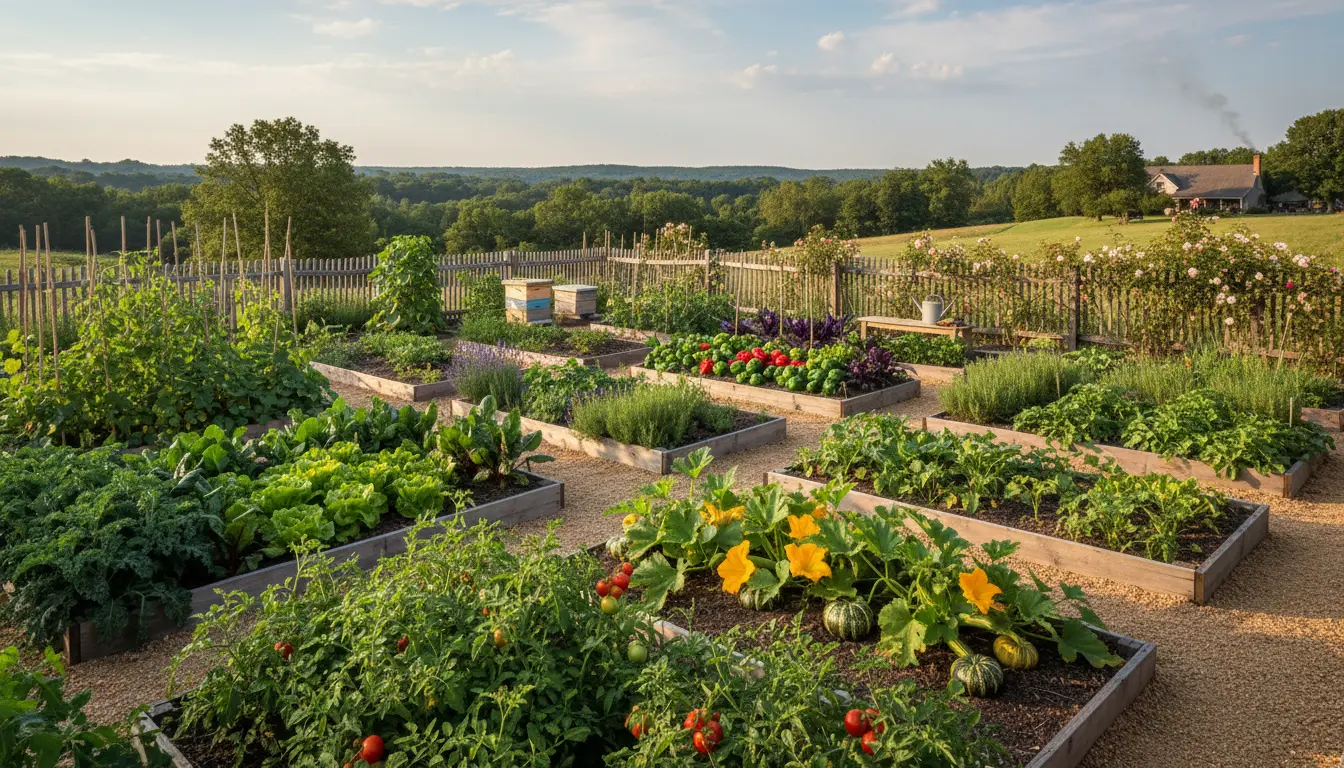
Starting a home vegetable garden is practical and rewarding. This guide gives clear steps you can follow whether you have a backyard, balcony, or small patio.
Plan Your Home Vegetable Garden
Begin with a simple plan. Identify available space, sunlight, and how much time you can commit each week.

List the vegetables you and your family like to eat and pick a mix of fast-growing and reliable varieties.
Choose the Right Location
Most vegetables need 6–8 hours of direct sunlight. If you have less sun, pick shade-tolerant crops like leafy greens.
Consider access to water, shelter from strong wind, and ease of tending.
Decide Between Ground Beds and Containers

Ground beds give you more soil volume and stability. Containers work well for balconies and small patios.
- Raised beds improve drainage and soil control.
- Large pots (5+ gallons) suit tomatoes and peppers.
- Shallow containers work for herbs and lettuces.
Prepare Soil and Choose Plants
Good soil is the foundation of a healthy home vegetable garden. Test the soil if possible and aim for loose, well-draining soil with organic matter.
Improve Soil Quality
Mix compost into native soil or use a quality potting mix for containers. Aim for a loamy texture and a neutral to slightly acidic pH.

Simple soil improvements deliver big results: add compost, avoid compacting, and mulch to retain moisture.
Select Easy Vegetables for Beginners
Start with straightforward crops that provide results quickly.
- Leafy greens: lettuce, spinach, Swiss chard.
- Root crops: radishes, carrots (use deep containers for carrots).
- Fruiting crops: cherry tomatoes, bush beans, peppers.
- Herbs: basil, parsley, chives.
Planting and Watering Tips for a Home Vegetable Garden
Follow planting depth and spacing on seed packets or plant tags. Crowding reduces airflow and increases disease risk.
Watering Strategy
Water deeply and less often rather than shallow daily watering. Aim to wet the root zone 1–2 inches per week depending on weather.
Use a drip line or soaker hose for efficiency and to keep leaves dry, which reduces fungal problems.
Fertilizing and Feeding
Start with compost-amended soil and supplement with a balanced organic fertilizer every 4–6 weeks during the growing season.
Monitor plants for yellowing or slow growth and adjust feeding as needed.
Pest and Disease Management in a Home Vegetable Garden
Prevention is the best approach. Choose disease-resistant varieties, rotate crops, and maintain good spacing.
- Inspect plants weekly for pests or spots.
- Use barriers like row cover for cabbage moths and nets for birds.
- Hand-pick large pests and try organic controls like neem oil when needed.
Seasonal Care and Harvesting
Adjust care by season: protect tender plants from late frost and shade plants during heat waves.
Harvest regularly to encourage continued production. Many vegetables produce more when picked young and often.
Small Case Study: Balcony Tomato Success
Sarah had a north-facing balcony with 5 hours of sunlight. She chose a compact cherry tomato variety and a 20-liter container. She mixed 50% potting mix with compost, added a slow-release organic fertilizer, and installed a drip emitter.
Within 10 weeks, she had steady cherry tomato harvests. Regular pruning of suckers and staking kept the plant healthy. Sarah reported spending 15 minutes every other day on watering and checks.
Practical Checklist to Start Your Home Vegetable Garden
- Measure light and pick suitable crops.
- Choose containers or prepare beds and add compost.
- Buy seeds or healthy seedlings suited to your climate.
- Establish a simple watering schedule and mulching plan.
- Inspect weekly for pests and remove affected leaves.
Final Tips for a Successful Home Vegetable Garden
Start small and expand as you gain confidence. Keep notes on varieties, planting dates, and yields so you can improve next season.
Enjoy the learning process; even small spaces can produce meaningful harvests with consistent care.