
Start a Vegetable Garden: What You Need to Know
Starting a vegetable garden is a manageable project that delivers steady rewards. This guide walks you through planning, site selection, soil preparation, planting, and simple maintenance steps.
Plan Before You Start a Vegetable Garden
Begin with a clear plan to match your goals and available time. Decide whether you want a small container garden, raised beds, or an in-ground plot.

Consider these factors when planning:
- Available sunlight (most vegetables need 6–8 hours daily).
- Space and layout (rows, beds, or containers).
- Water access and drainage.
- Time commitment for planting, watering, and harvesting.
How to Start a Vegetable Garden: Choose Your Vegetables
Select vegetables suited to your climate and season. Beginners often start with easy crops like lettuce, radishes, tomatoes, and beans.
Tips for choosing crops:
- Start with 3–6 easy varieties to learn basic care.
- Use companion planting to save space and reduce pests.
- Check your USDA hardiness zone or local planting calendar.
Prepare the Site to Start a Vegetable Garden

Good site preparation improves yields and reduces maintenance. Clear weeds, measure the area, and mark your garden layout.
Follow this basic sequence:
- Test soil pH and nutrient levels with a simple kit.
- Amend soil with compost to improve structure and fertility.
- Ensure raised beds or rows are level and have good drainage.
How to Start a Vegetable Garden: Soil and Fertility
Soil is the foundation of a productive garden. Most vegetables prefer a loose, loamy soil with good organic matter.

Practical steps:
- Add 2–4 inches of compost across beds each season.
- Use balanced organic fertilizer only if soil tests indicate deficiencies.
- Mulch to retain moisture and suppress weeds.
Planting and Layout When You Start a Vegetable Garden
Planting in the right order and density helps crops mature evenly and reduces disease. Follow seed packet directions for depth and spacing.
Layout options:
- Rows: Good for larger plots and mechanical cultivation.
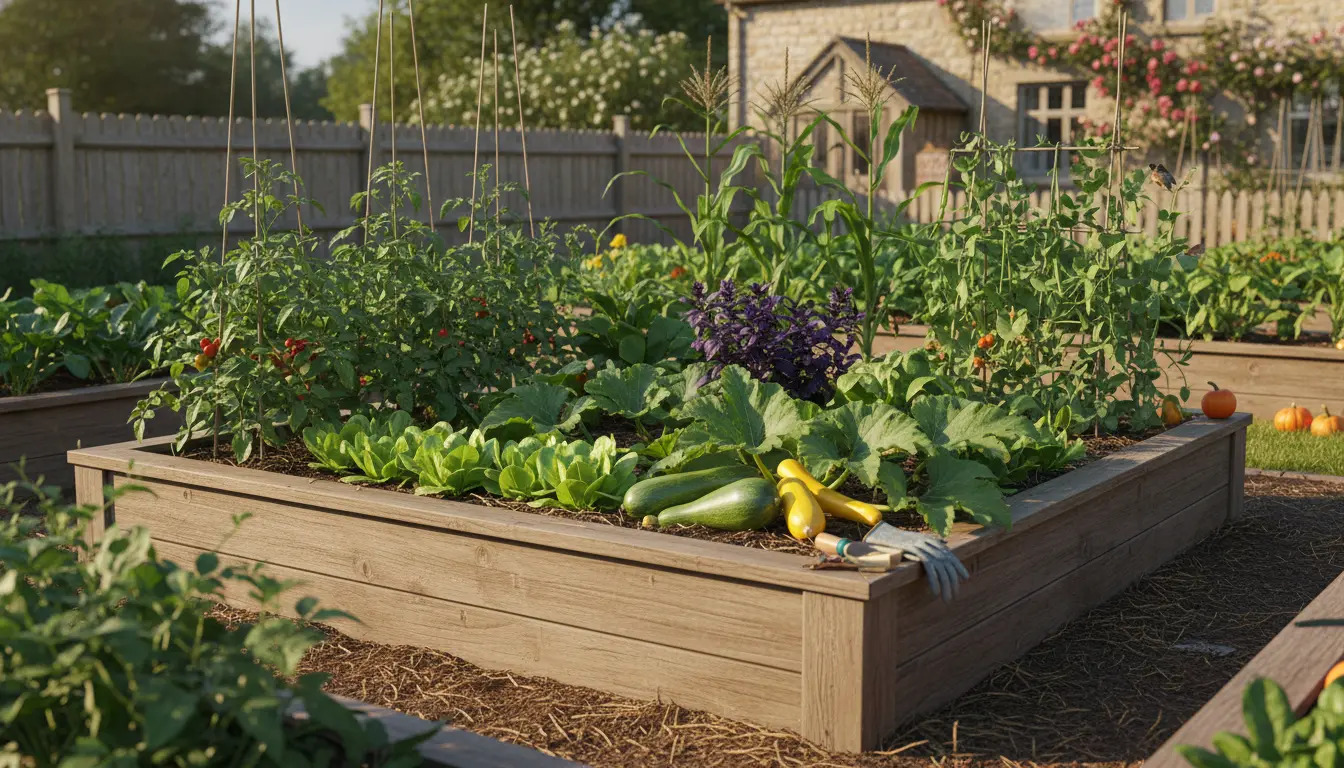
- Raised beds: Better drainage and soil control, ideal for beginners.
- Containers: Great for patios and balconies with limited space.
How to Start a Vegetable Garden: Timing and Succession Planting
Plant cool-season crops early and warm-season crops after frost risk passes. Use succession planting to maintain a steady harvest.
Example succession plan:
- Early spring: Plant peas and radishes.
- Late spring: Sow tomatoes and peppers.
- Late summer: Restart lettuce and spinach for fall harvest.
Maintenance After You Start a Vegetable Garden
Routine maintenance keeps plants healthy and productive. Water, weed, and check for pests regularly.
Key maintenance tasks:
- Water deeply once or twice weekly depending on rainfall.
- Pull weeds promptly to reduce competition for nutrients.
- Inspect for pests and treat with targeted, low-toxicity methods.
How to Start a Vegetable Garden: Harvesting and Storage
Harvest vegetables at peak ripeness for best flavor and storage life. Learn pick times for each crop to avoid overripe produce.
Storage tips:
- Leafy greens: Store in a plastic bag with paper towel in the fridge.
- Tomatoes: Keep at room temperature for best flavor.
- Root crops: Cure and store in a cool, dark place for long-term storage.
Adding a 2–3 inch layer of compost each year can increase vegetable yields and reduce watering needs by improving soil moisture retention.
Simple Case Study: A Small Urban Plot
Case study: A 10×6 foot raised bed on a city balcony produced continuous salad greens and cherry tomatoes for a family of two. The gardener used container watering, trellised beans, and a compost bin for kitchen scraps.
Results after one season:
- Weekly harvest of salad greens for four months.
- Tomato harvest July–September, enough for fresh use and salsa.
- Minimal pest issues due to regular inspection and companion planting.
Common Mistakes to Avoid When You Start a Vegetable Garden
Avoid these frequent errors to improve early success. Overplanting, poor drainage, and inconsistent watering are common problems.
How to prevent them:
- Start small—expand after you understand crops and timing.
- Improve soil drainage with raised beds or amended soil.
- Use drip irrigation or soaker hoses to maintain steady moisture.
Final Checklist Before You Start a Vegetable Garden
- Select a sunny site and test your soil.
- Choose beginner-friendly vegetables for your climate.
- Prepare soil with compost and set up beds or containers.
- Plant according to season and follow a simple maintenance routine.
Starting a vegetable garden is a step-by-step process that rewards consistent care. Use this guide to plan your first season, keep tasks manageable, and learn from each harvest.