
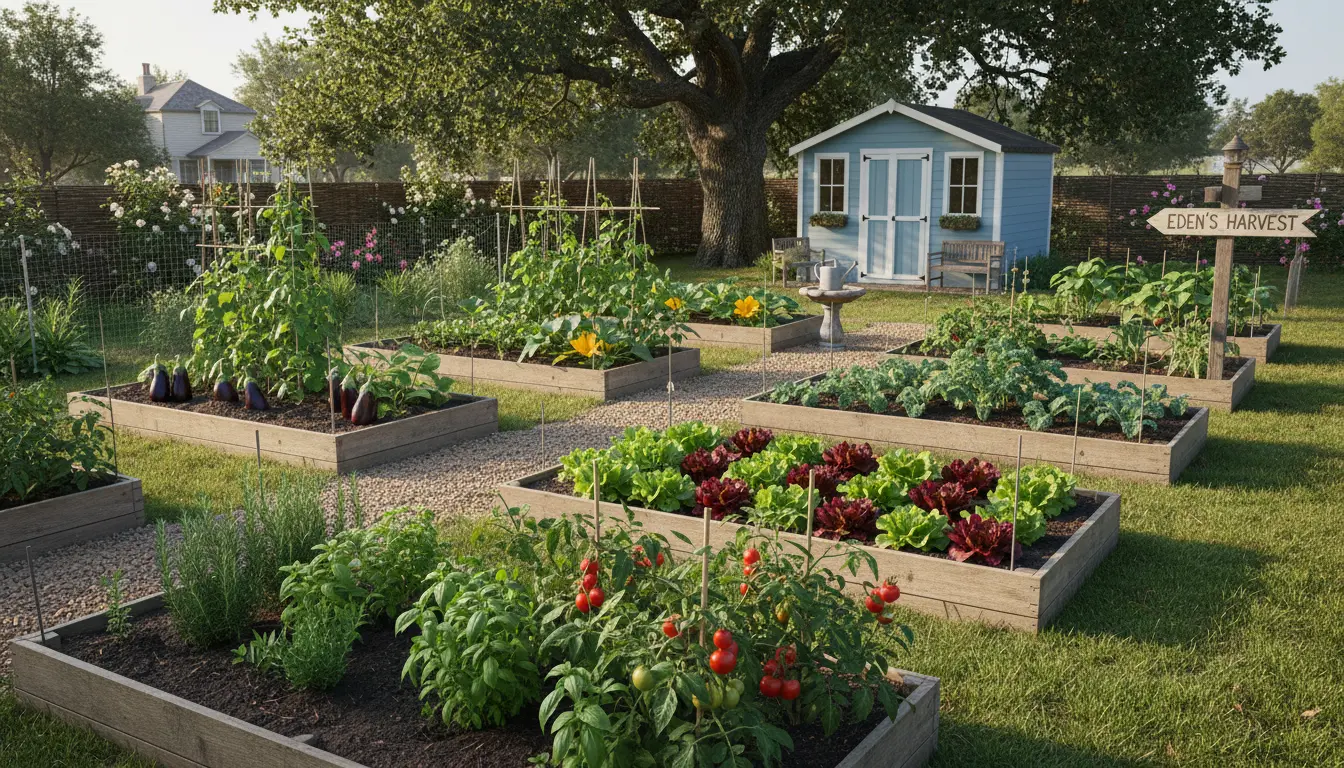
How to Start a Vegetable Garden: First Steps
Starting a vegetable garden is practical and rewarding. With a little planning you can grow fresh produce even in a small space.
This guide explains how to start a vegetable garden step by step, covering planning, soil, plant selection, planting, and maintenance.
Plan Your Vegetable Garden

Good planning saves time and increases yields. Decide the garden size based on available light and time you can commit.
- Pick a spot with at least 6 hours of direct sunlight.
- Consider containers, raised beds, or in-ground rows.
- Plan for water access and simple pathways for maintenance.
Choosing the Right Location for Your Vegetable Garden
Sun is the top requirement for a productive vegetable garden. South-facing locations typically receive the most sun in the northern hemisphere.
Also check for wind exposure and nearby trees that might compete for water and nutrients.
Prepare Soil to Start a Vegetable Garden

Soil quality determines how well vegetables grow. Invest time in improving soil before planting.
Test soil pH with an inexpensive kit; most vegetables prefer a pH of 6.0 to 7.0.
- Work in plenty of organic matter such as compost or well-rotted manure.
- For heavy clay, add coarse sand and compost to improve structure.
- For very sandy soil, add compost and mulch to retain moisture.
Raised Beds vs In-Ground: Which to Choose
Raised beds warm faster in spring and allow better drainage. They are ideal for small yards and urban plots.

In-ground gardens cost less and can be larger, but may need more soil improvement and weeding.
Choose Vegetables for Your Vegetable Garden
Select vegetables that match your climate, season, and cooking habits. Start with easy, reliable crops.
- Beginner-friendly vegetables: tomatoes, lettuce, radishes, beans, zucchini, and herbs.
- Plant successions: sow small batches every 2–3 weeks to extend harvest.
- Companion planting: plant basil near tomatoes to help flavor and deter pests.
How Much to Plant
Estimate how much you will use. For example, one tomato plant yields enough for most families when planted 2–4 plants.
Use seed packet spacing as a guide, but reduce spacing slightly in small gardens if you plan to thin plants.
Planting and Watering Your Vegetable Garden
Follow planting depth and timing on seed packets or plant tags. Plant after the last frost for warm-season crops.
Watering properly is critical. Most vegetables need 1–1.5 inches of water per week, delivered deeply and less frequently.
- Use drip irrigation or soaker hoses to reduce disease and conserve water.
- Mulch with straw or shredded leaves to retain moisture and suppress weeds.
Seed Starting vs Transplants
Starting from seed is cheaper and offers more variety. Transplants (young plants) give an earlier harvest and are less fiddly for beginners.
Mix both methods: start quick crops like radishes from seed and buy transplants for tomatoes or peppers.
Maintain Your Vegetable Garden
Regular maintenance keeps plants healthy and productive. Plan short daily or weekly checks during the season.
- Weed regularly to reduce competition and pests.
- Prune or stake tall plants like tomatoes to improve air flow.
- Fertilize lightly based on plant needs—too much nitrogen can reduce fruiting.
Pest and Disease Management for Vegetable Gardens
Use integrated pest management: monitor, physically remove pests, and use barriers or organic controls when needed.
Common tactics include row covers, handpicking, neem oil for fungal issues, and encouraging beneficial insects like ladybugs.
Harvesting from Your Vegetable Garden
Harvest at peak ripeness for best flavor. Regular harvesting often encourages more production from plants like beans and zucchini.
Keep a simple harvest log: date, crop, and yield. This helps plan for next season and reduces waste.
Many common vegetables such as lettuce, radishes, and spinach can be harvested within 30 to 45 days from sowing, making them ideal for quick rewards.
Real-World Example: Small Backyard Vegetable Garden Case Study
Case study: A small family in Portland converted a 10 x 6 ft raised bed into a productive garden. They prepared soil with three wheelbarrows of compost and planted tomatoes, lettuce, radishes, basil, and beans.
In the first season they harvested weekly salads and 20–30 tomatoes per plant. Their key steps were proper soil, consistent watering with a drip system, and weekly weeding sessions.
Simple Starter Checklist to Start a Vegetable Garden
- Choose a sunny location and decide bed type (raised or in-ground).
- Test and improve soil with compost and pH adjustment if needed.
- Select 4–6 easy crops suited to your climate.
- Set up simple irrigation and add mulch.
- Monitor, weed, and harvest regularly.
Final Tips to Start a Vegetable Garden
Start small to avoid overwhelm and expand as you gain confidence. Mistakes are part of learning and will improve your results each year.
Keep notes on planting dates, varieties, and yields. Over time you will develop a reliable plan tailored to your space and taste.