
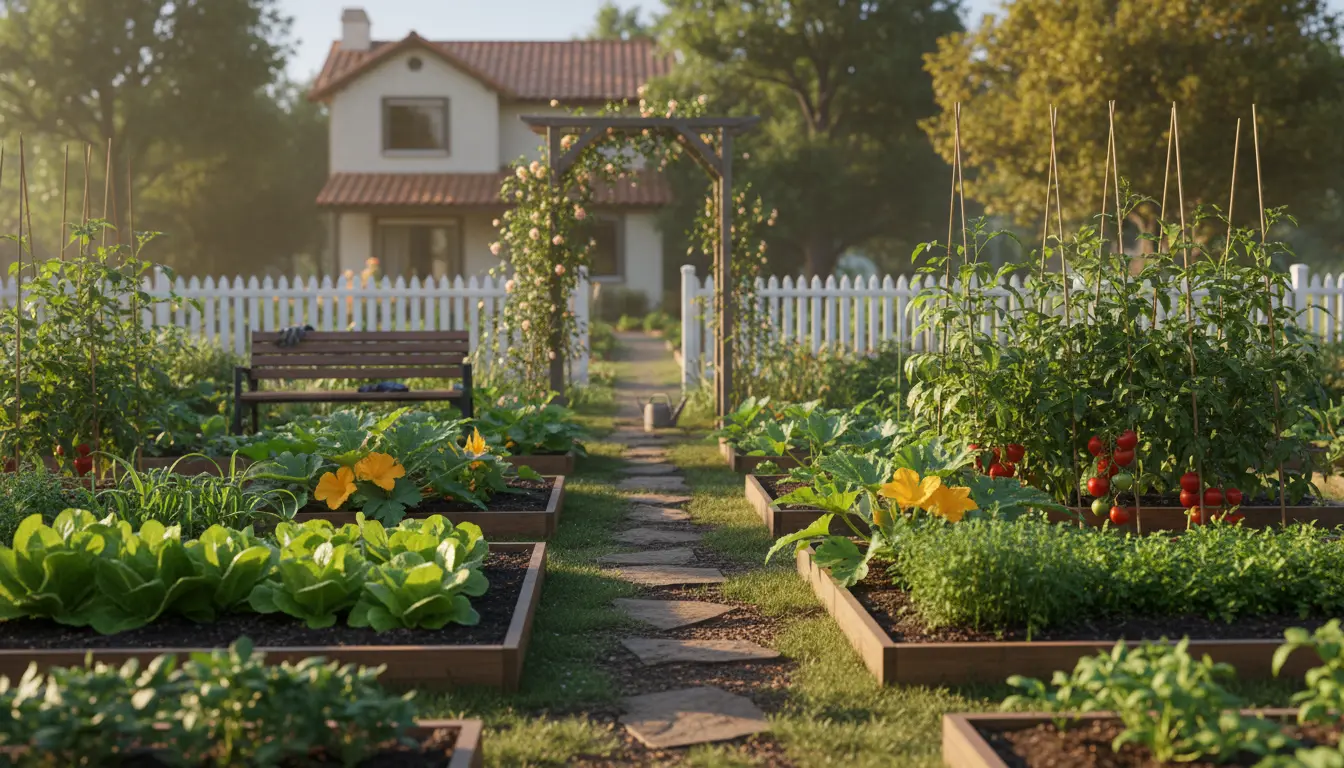
Starting a small vegetable garden can provide fresh food, reduce grocery bills, and give you a practical outdoor hobby. This guide covers the essential steps to plan, plant, and maintain a productive small garden at home.
Why Start a Small Vegetable Garden
A small vegetable garden fits into patios, balconies, or a compact backyard. It’s easier to manage than large plots and lets you focus on high-value crops like herbs, salad greens, and tomatoes.

Growing your own vegetables improves freshness and flavor, and can be completed in a few hours per week with basic tools and planning.
How to Start a Small Vegetable Garden: Planning and Site Selection
Begin by assessing available space and sunlight. Most vegetables need at least 6 hours of direct sun daily, so map sun exposure across the day.
Decide between in-ground beds, raised beds, or containers. Each option has pros and cons for cost, soil control, and mobility.
Choose the Right Location

Pick a spot with good drainage and convenient access to water. Avoid low areas that collect cold air in spring or flood after rain.
Place the garden near your kitchen or a path you use often to encourage daily checks and maintenance.
Size and Layout
Start small: a 4×8 foot raised bed or several containers is plenty for beginners. A smaller area is easier to manage and yields faster results.

Design simple paths and leave room for access but avoid wasted space. Square-foot gardening or intensive spacing can increase yield per square foot.
How to Start a Small Vegetable Garden: Soil and Preparation
Soil quality is one of the most important factors for success. Vegetables prefer loose, fertile soil with good organic matter and balanced pH.
Test and Improve Soil
Do a simple soil test for texture and pH or use a basic home kit. Amend soil with compost to improve structure and nutrient content.
- Work 2–4 inches of compost into topsoil for raised beds.
- For containers use a high-quality potting mix with added compost.
- Avoid digging heavy clay deeply; instead, use raised beds.
How to Start a Small Vegetable Garden: Crop Selection and Timing
Choose vegetables suited to your climate and season. Beginners should pick reliable, easy crops like lettuce, radishes, bush beans, cherry tomatoes, and herbs.
Check your local frost dates and use them to plan planting times for cool-season and warm-season crops.
Companion Planting and Crop Rotation
Use companion planting to reduce pests and improve growth — for example, basil near tomatoes can help flavor and deter pests. Rotate crops year to year to limit soil-borne diseases.
Planting, Watering, and Care
Plant seeds or seedlings at the recommended depth and spacing. Label rows to avoid confusion and use small stakes or markers for varieties.
Watering Best Practices
Water at the base of plants early in the morning for best absorption and to reduce leaf disease. Aim for consistent moisture; avoid frequent shallow watering.
- Use drip irrigation or a soaker hose for even water delivery.
- Mulch with straw or shredded bark to conserve moisture and suppress weeds.
Fertilizing and Feeding
Feed plants with a balanced organic fertilizer or side-dress with compost mid-season. Follow package rates to avoid over-fertilizing.
Dealing with Pests and Diseases
Monitor plants weekly to catch problems early. Hand-pick slugs and caterpillars, and use row covers to protect seedlings from birds and insects.
For fungal issues, improve air circulation, avoid overhead watering, and remove affected leaves promptly.
Harvesting and Storage
Harvest regularly to encourage more production. Pick leafy greens when young and tender; harvest tomatoes when fully colored and slightly soft to the touch.
Store or preserve excess harvest by freezing, pickling, or drying to stretch benefits beyond the growing season.
Simple Case Study: A Starter 4×8 Raised Bed
Maria had a 4×8 raised bed in a small backyard and wanted fresh salads. She planted three rows: mixed lettuce, a row of cherry tomatoes with basil, and a row of bush beans.
With weekly compost top-ups, drip irrigation, and routine harvests, she had continuous salad greens in six weeks and 2–3 pounds of tomatoes weekly at peak. Time investment averaged 30–60 minutes per week.
Final Checklist to Start a Small Vegetable Garden
- Choose a sunny, well-drained site near water.
- Start small: 4×8 bed or containers for first season.
- Amend soil with compost and test pH if possible.
- Select easy, fast crops for your climate.
- Mulch, water in the morning, and monitor pests weekly.
Starting a small vegetable garden is a manageable project that rewards patience and routine. With clear planning and simple care, you can enjoy fresh vegetables and gain experience for larger projects in future seasons.