
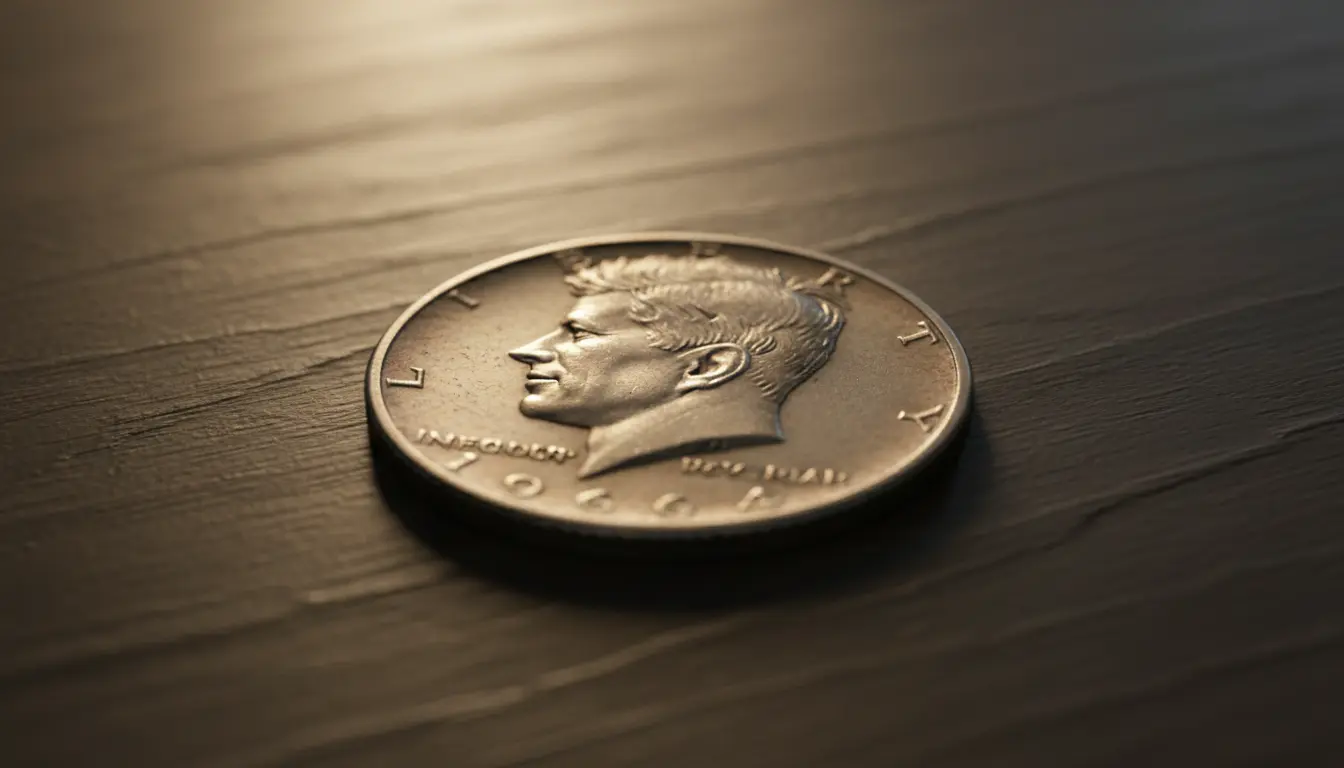
Why the Kennedy Half Dollar attracts collectors
The Kennedy Half Dollar has been a popular U.S. coin since 1964. Collectors value it for its historical link to President John F. Kennedy and for varieties and errors that can raise its price.
Most Kennedy Half Dollars are common and worth only face value or silver melt value. A few pieces, however, can be rare and collectible depending on date, mint mark, condition, and unusual minting errors.
Is there really an 11 Million Kennedy Half Dollar?

Claims that a single Kennedy Half Dollar sold for $11 million are almost always viral headlines or misinterpretations. High prices in numismatics are usually limited to extremely rare coins with documented provenance and top grading.
Before believing a headline, check primary evidence: auction records, auction house catalogs, or reputable databases like the Professional Coin Grading Service (PCGS) and Numismatic Guaranty Corporation (NGC).
Common sources of misleading claims
- Confused reports mixing up coin types or historical sales.
- Exaggerated estimates from sellers or local news outlets.
- Fabricated sales on social media to attract clicks.
How to verify a high-value Kennedy Half Dollar claim
Follow a standard verification process to separate fact from fiction. This gives you a clear path whether you own the coin or just read a story online.
Step-by-step verification
- Find the auction record. Search major auction houses (Heritage Auctions, Stack’s Bowers) for sale catalogs and realized prices.
- Check grading databases. Use PCGS and NGC to search registry entries and population reports for the exact variety and grade.
- Ask for provenance. High-value sales should have clear ownership history and documentation.
- Consult experts. Reach out to accredited numismatists or local coin dealers for a preliminary opinion.
Key things that can make a Kennedy Half Dollar valuable

Not every Kennedy Half Dollar has the potential to reach high prices. Value typically depends on a few specific features that experts look for.
- Date and mint mark: Certain combinations are rarer than others.
- Minting errors: Dramatic doubling, striking off-center, or planchet defects can create premium coins.
- Proof and Specimen sets: High-grade proofs or special mint sets are more desirable.
- Condition: Coins graded MS65 and above in mint state or PF68+ in proof condition command higher prices.
Where to get a Kennedy Half Dollar graded
Grading is essential for high-value sales. Professional grading provides impartial assessment of condition and authenticity.
- PCGS (Professional Coin Grading Service)
- NGC (Numismatic Guaranty Corporation)
- ANA (American Numismatic Association) for local referrals
Request a submission packet from the grader’s website, follow their packaging rules, and insure the shipment. Grading fees vary by declared value and service speed.
How to protect and present a rare Kennedy Half Dollar

If you suspect you own a rare Kennedy Half Dollar, protect and document it immediately. Proper handling prevents damage and preserves value.
- Handle by the edges using cotton gloves or clean fingers over a soft surface.
- Store in inert holders or capsules to avoid contact with air and oils.
- Photograph the coin with scale and notes: date, mint mark, and visible anomalies.
- Keep provenance documents, receipts, and previous appraisals in a safe place.
Real-world example: A local discovery and outcome
In one verified case, a collector found a Kennedy Half Dollar with a clear doubling on the obverse. The owner sent images to a local coin club, then submitted the piece to a professional grader.
After authentication and grading at MS66 with a notable doubled die, the coin sold at a regional auction for several thousand dollars. The sale was documented with a certificate and the auction house archive, which supported the final price.
Lessons from this case
- Start with local experts and coin clubs for initial screening.
- Use professional grading to create market trust.
- Document every step—photos, receipts, and communications can increase buyer confidence.
Should you act if you find a coin said to be worth millions?
Yes, but act carefully. Viral claims may be false, yet exceptional coins do exist. Follow the verification steps before making decisions about insurance, grading, or sale.
Contact reputable graders and seek multiple professional opinions. Avoid quick sales to unknown buyers and get a written appraisal if you plan to insure or consign the coin.
Quick checklist for owners
- Photograph the coin clearly from both sides.
- Do not clean or polish the coin.
- Get initial opinions from a local coin dealer or club.
- Submit to PCGS or NGC if the coin appears rare or error-prone.
- Request documentation for any sale or appraisal.
Investigating an “11 million” Kennedy Half Dollar claim requires patience and methodical verification. Use trusted resources, document everything, and rely on professional grading to determine real market value.