
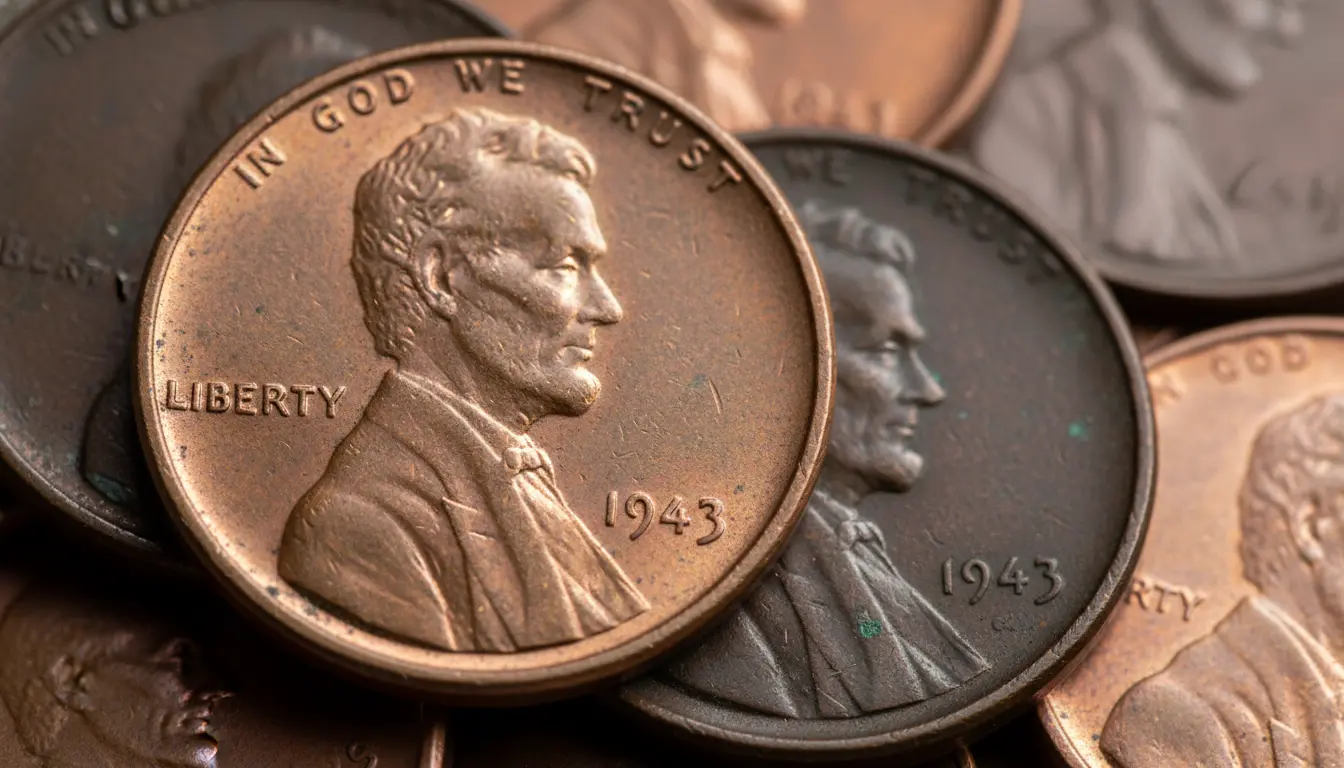
Many collectors and casual savers underestimate what hides in jars and pockets. This guide shows which Lincoln pennies are most valuable, how to recognize them quickly, and what to do if you find one.
Most Valuable Lincoln Pennies to Look For
Start by checking dates and mint marks. Value comes from rarity, condition, or unusual errors. The list below highlights pennies you are most likely to find and should examine closely.
- 1909-S VDB — One of the most famous and scarce early Lincoln cents. Look for VDB initials on the reverse at the base near the wreath.
- 1909 (VDB and non-VDB) — The first-year issues can be valuable, especially in mint state or with the S mint mark.
- 1914-D — Produced in limited numbers; high-grade examples are sought by collectors.
- 1922 Plain (no D) — Many 1922 cents have weak or missing mint marks; a true no-mint-mark 1922 is scarce.
- 1955 Doubled Die Obverse — Strong doubling on the date and motto makes this one of the most recognized modern errors.
- 1943 Copper — Most 1943 cents are steel because of wartime copper conservation. Copper examples are rare and valuable.
How to Identify Valuable Lincoln Pennies

Use basic tools and a methodical approach. A loupe, a scale, and a magnet will help you rule out common coins quickly.
Quick tests
- Magnet test: 1943 steel cents are magnetic; copper ones are not.
- Weight check: Copper and steel cents differ slightly in weight; use a precise scale for confirmation.
- Visual inspection: Look for mint marks under the date (D for Denver, S for San Francisco). Use a loupe to spot doubled dies and missing letters.
What to look for on the coin
Check these areas closely. Errors and rare varieties are often visible to the naked eye with magnification.
- Date area: doubling or repunched dates are key for some valuable varieties.
- Reverse base: the VDB initials on early cents are an important identifier.
- Mint mark location: missing or weak mint marks can indicate a rarity like the 1922 no-D.
Condition and Grading Basics for Valuable Lincoln Pennies
Condition matters. Coins graded by professional services like PCGS or NGC will command higher prices. Even rare dates can be worth little if heavily worn.
- Good to Fine: Details are worn but date and mint mark are readable.
- Extremely Fine: Most design details are present with minor wear.
- Uncirculated/Mint State: Full luster, minimal contact marks; highest value tier.
Where to Search for Valuable Lincoln Pennies

Regular search spots produce results if you are consistent. Focus on places with high coin turnover.
- Bank coin rolls and teller tills — ask local banks if you can check pennies before they are rolled.
- Everyday change — check your pockets, wallets, and car coin jars regularly.
- Estate sales and attic boxes — old collections or jars often contain pre-1982 copper cents and early dates.
What to Do If You Find a Suspect Penny
Handle the coin carefully by the edges. Avoid cleaning, which can reduce value. Photograph the coin and compare to trusted references.
- Document: Take clear photos of obverse and reverse under good light.
- Compare: Use PCGS, NGC, or APMEX reference images and variety guides.
- Get an opinion: Visit a reputable coin dealer or submit for professional grading if the coin appears rare.
The Lincoln cent was first issued in 1909 to honor Abraham Lincoln. Early issues include designer Victor D. Brenner’s initials VDB on some reverses, which are now an important variety marker.
Case Study: A Small Find, A Big Surprise

A retiree sorting a jar of change found a worn 1955 Lincoln cent with an unusually thick date and doubled letters on the obverse. After photographing the coin and checking reference photos, they took it to a local dealer.
The dealer confirmed it matched the 1955 doubled die obverse characteristics. The coin was graded and later sold to a collector. The find paid for the retiree’s new loupe and then some, illustrating how small effort and attention can lead to worthwhile discoveries.
Final Tips for Finding Valuable Lincoln Pennies
- Be patient and consistent — search small amounts often.
- Learn the common dates and error types so you can quickly rule out ordinary coins.
- Keep suspicious coins separate and seek professional grading when necessary.
Finding a valuable Lincoln penny is a mix of knowledge, routine, and luck. Use the tips above to improve your chances and protect any discoveries you make.
For detailed images and current pricing, consult PCGS, NGC, or a trusted coin dealer. Accurate identification and proper grading are the final steps to realizing a coin’s real value.