
Home Composting for Beginners: Why Start Composting
Composting turns kitchen scraps and yard waste into nutrient-rich soil. It reduces landfill waste and improves garden health.
For beginners, composting is a practical, low-cost way to recycle organic material at home. This guide covers simple steps and options you can use immediately.
Home Composting for Beginners: Choose a Method

Select a method that fits your living situation and time. Options vary by space, effort, and output speed.
- Backyard bin: Good for yards and larger volumes of waste.
- Compost tumbler: Faster decomposition and less turning effort.
- Vermicompost (worm bin): Ideal for small spaces and kitchen scraps.
- Bokashi: Fermentation method for apartments; accepts cooked foods.
Home Composting for Beginners: How to Pick the Right Bin
Consider volume, location, and budget when choosing a bin. A simple plastic bin works well for most beginners.
Ensure bins have drainage and airflow or add holes if needed. Place bins on soil or a stable surface outdoors to allow microbes to enter.
Home Composting for Beginners: What to Compost

Compost needs a mix of carbon-rich and nitrogen-rich materials. Balancing these helps decomposition and prevents odors.
Basic rules are easy to follow for beginners.
- Greens (nitrogen): fruit and vegetable scraps, coffee grounds, fresh grass clippings.
- Browns (carbon): dry leaves, straw, shredded paper, cardboard.
- Avoid: meat, dairy, oily foods, diseased plants, and pet waste in most systems.
Home Composting for Beginners: Layering and Turning
Start with a layer of coarse browns at the bottom for airflow. Alternate greens and browns in 2–4 inch layers.

Turn the pile every 1–2 weeks with a pitchfork or by rotating a tumbler. Turning introduces oxygen and speeds up composting.
Home Composting for Beginners: Temperature and Moisture
Compost works best when moist like a wrung-out sponge. Too dry slows decomposition; too wet causes odors.
Temperature shows activity. A hot pile (120–160°F / 50–70°C) decomposes faster, but cool composting still works for beginners with less effort.
Home Composting for Beginners: Troubleshooting Common Issues
Beginners often encounter odor, pests, or slow breakdown. Simple fixes usually solve these problems.
- Bad smell: Add more browns and turn the pile to add air.
- Fruit flies: Cover fresh fruit scraps with a layer of browns or bury them in the center.
- Slow composting: Chop materials smaller and maintain moisture and turning schedule.
Home Composting for Beginners: Using Finished Compost
Finished compost looks dark, crumbly, and earthy. It can take 2 months to a year depending on method and effort.
Use finished compost to:
- Top-dress lawns and garden beds.
- Mix with potting soil for container plants.
- Improve soil structure and water retention.
Composting 1 ton of food waste can prevent about 0.5–1 ton of CO2-equivalent greenhouse gas emissions, depending on local landfill practices.
Home Composting for Beginners: A Simple Weekly Routine
Consistency beats complexity for new composters. Use a short routine to build the habit.
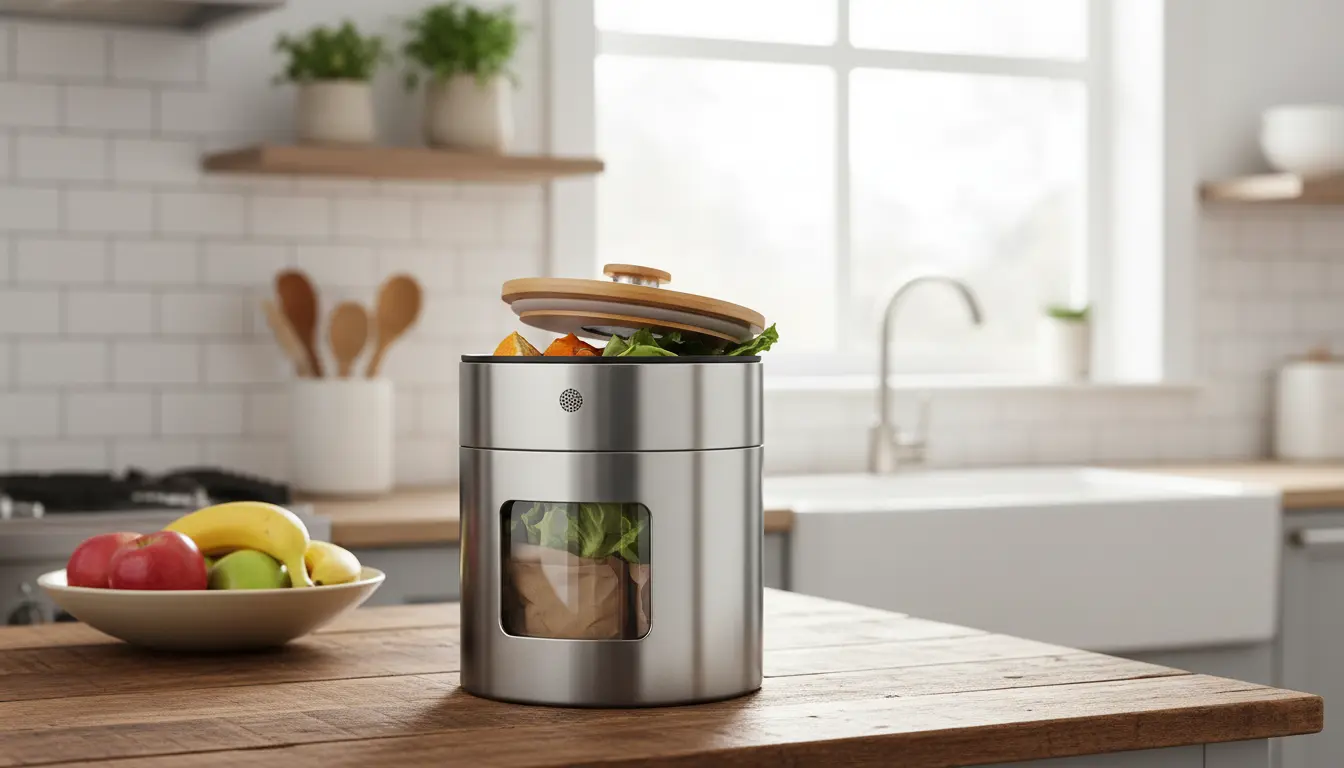
- Collect kitchen scraps in a small container with a lid.
- Empty scraps into the compost bin 2–3 times per week.
- Layer with browns and turn the pile weekly.
- Monitor moisture and add water or dry materials as needed.
Home Composting for Beginners: Small Case Study
Maria, an apartment dweller, began vermicomposting with a small worm bin. She used kitchen scraps and shredded paper as bedding.
Within three months she produced a steady supply of worm castings. Her potted herbs grew more vigorously and she sent excess compost to a community garden.
This shows small-space composting can be productive and odor-free with basic management.
Home Composting for Beginners: Costs and Supplies
Start-up costs are low and many supplies can be made from recycled materials. Basic items include a bin, a pitchfork or tumbler, and a simple thermometer for larger piles.
Suggested starter list:
- Compost bin or tumbler
- Kitchen collection container with lid
- Browns like leaves or shredded cardboard
- Optional: worms for vermicomposting
Home Composting for Beginners: Final Tips
Start small and learn by doing. Mistakes are normal and easy to fix with added browns, turning, or adjusting moisture.
Join local composting groups or ask community gardens for tips and material swaps. Composting is practical, rewarding, and supports a circular home ecosystem.
Ready to start? Choose a method, gather simple supplies, and begin composting your kitchen scraps this week.