
Why Start a Vegetable Garden
Starting a vegetable garden gives you control over what you eat and reduces grocery costs. It also provides fresh produce, exercise, and a satisfying hobby.
Even a small space can yield a reliable harvest with the right planning and basic skills.
Planning Your Garden: Where to Start a Vegetable Garden

Good planning makes gardening easier and more productive. Start by deciding the type of garden you want: in-ground, raised beds, containers, or vertical planters.
Consider available sunlight, water source, and access for planting and harvesting.
Choosing the Right Spot to Start a Vegetable Garden
Most vegetables need 6–8 hours of direct sunlight daily. South- or west-facing spots usually work best.

Check drainage by digging a small hole and filling it with water; if it drains within a few hours, drainage is adequate.
Selecting Vegetables for Your Garden
Choose crops based on climate, season, and your cooking habits. Beginners should plant easy, forgiving crops.
- Easy annuals: lettuce, radish, spinach
- Beginner vegetables: tomatoes, green beans, zucchini
- Herbs: basil, parsley, chives
Soil, Tools, and Planting Basics for Starting a Vegetable Garden
Healthy soil is the foundation of success. Test soil pH with a simple kit; most vegetables prefer pH 6.0–7.0.

Gather basic tools: trowel, spade, gloves, watering can or hose, and a soil fork or rake.
Preparing Soil Before You Plant
Improve native soil by adding 2–4 inches of compost and mixing it into the top 8–12 inches. Compost adds nutrients and improves structure.
For raised beds or containers, use a quality mix of topsoil, compost, and coarse sand or perlite for drainage.
Planting Tips When You Start a Vegetable Garden
Follow seed packet or plant tag spacing and depth instructions. Overcrowding reduces yields and increases disease risk.
Stagger plantings every 2–3 weeks for continuous harvests of quick crops like lettuce and radishes.
Care and Maintenance for Your Vegetable Garden
Routine care keeps plants healthy and productive. Focus on watering, feeding, mulching, and monitoring pests.
Set a simple schedule to check plants every 2–3 days during warm weather.
Watering and Feeding Your Vegetable Garden
Water deeply and less frequently to encourage strong roots. Aim for 1–1.5 inches of water per week, more in hot weather.
Use a balanced organic fertilizer or compost tea every 3–4 weeks for heavy feeders like tomatoes and corn.
Controlling Pests and Diseases
Start with prevention: crop rotation, clean tools, and remove diseased plants promptly. Encourage beneficial insects by planting flowers and herbs.
Use physical controls first: hand-pick pests, use row covers, or install collars around seedlings to block pests.
Tomatoes are nightshades and perform best when average daytime temperatures are 70–85°F. Heavy pruning can reduce yield if done incorrectly.
Seasonal Tasks for a Successful Vegetable Garden
Adjust tasks by season. In spring, prepare beds and start seeds. In summer, focus on watering and pest control.
In fall, harvest remaining crops, add compost, and plant cover crops if possible to protect soil over winter.
Small Real-World Example: Rooftop Tomato Success
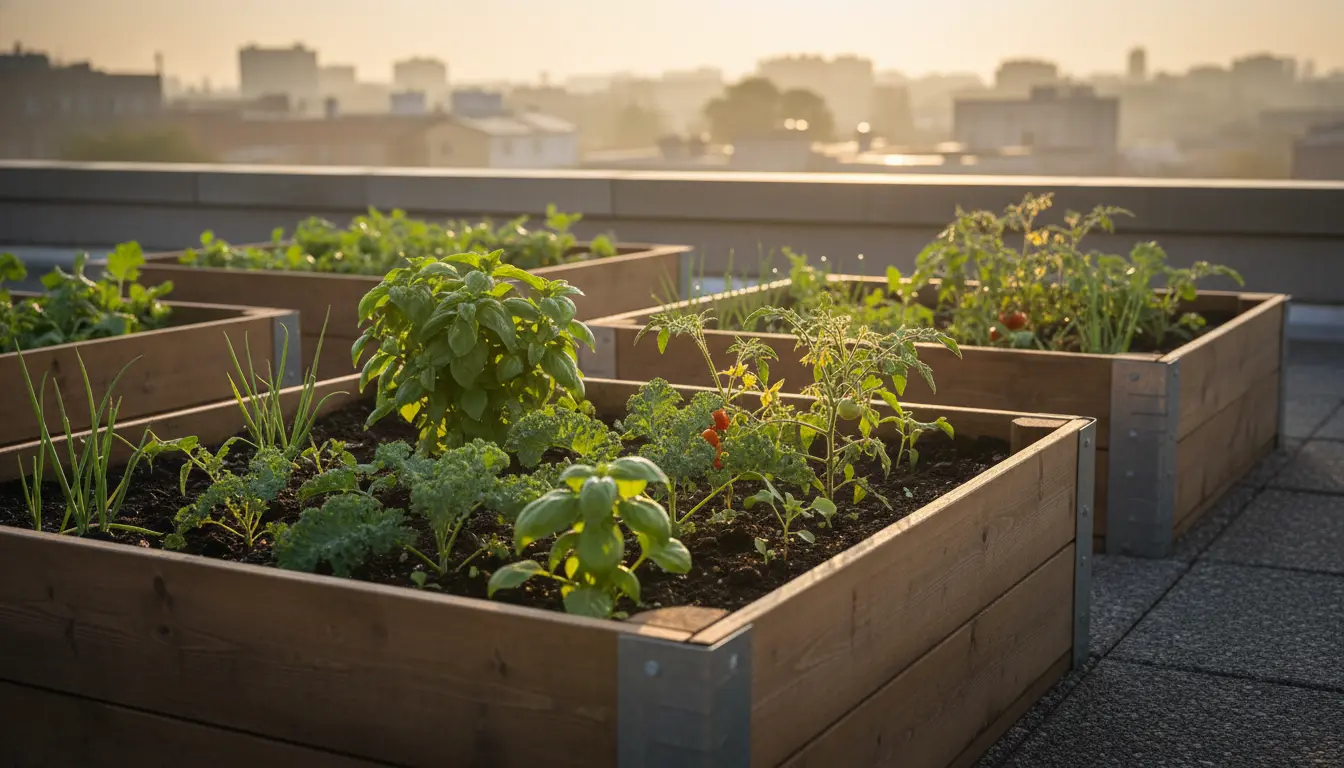
Case study: A city apartment gardener used two 4×4 raised beds on a sunny rooftop to grow tomatoes and basil. She selected determinate tomato varieties to limit vertical space needs.
She amended store-bought soil with compost, planted in late May, watered deeply twice a week, and used stake cages for support. By August she harvested 12–15 lbs of tomatoes from each bed.
Lessons learned: good soil, consistent watering, and choosing the right variety made the small space productive.
Simple Troubleshooting When You Start a Vegetable Garden
If plants are yellowing, test soil nutrients and pH. Slow growth may mean compacted soil or insufficient light.
If pests appear, identify the pest before choosing a control; many issues respond to simple, non-chemical methods.
Quick Checklist: How to Start a Vegetable Garden
- Choose sunny location and garden type (raised beds, containers, in-ground)
- Test and prepare soil; add compost
- Select easy crops for your climate and season
- Plant with correct spacing and depth
- Set a watering and maintenance routine
- Monitor pests and rotate crops yearly
Conclusion: Keep Learning and Start Small
Start a vegetable garden gradually and expand as you gain experience. Small, consistent steps lead to better results than trying to manage everything at once.
Track what you plant each year and note what worked; that simple record will improve yields over time.