
How to Start a Vegetable Garden: First Steps
Starting a vegetable garden is a manageable project for any beginner. With basic planning and a few tools, you can grow fresh produce at home.
This guide gives practical, step-by-step instructions you can follow over a single season. Use the checklist and examples to get started quickly.
Choose a Site for Your Vegetable Garden

Selecting the right location is the most important early decision. Most vegetables need at least 6 hours of direct sun each day.
Look for level ground with good drainage and easy access to water. If space is limited, consider raised beds or containers on a balcony.
Prepare Soil When Starting a Vegetable Garden
Healthy soil equals healthy plants. Test your soil or use a basic kit to check pH and nutrient levels.

Improve soil by adding organic matter such as compost or well-rotted manure. Work in 2–4 inches of compost into the top 6–8 inches of soil for better structure and fertility.
Choosing Plants for Your Vegetable Garden
Pick crops that match your climate, available space, and time commitment. Beginners should start with reliable, low-maintenance vegetables.
Good starter plants include tomatoes, lettuce, radishes, beans, and herbs like basil. Choose varieties labeled “disease resistant” when possible.
Plan the Layout of Your Vegetable Garden

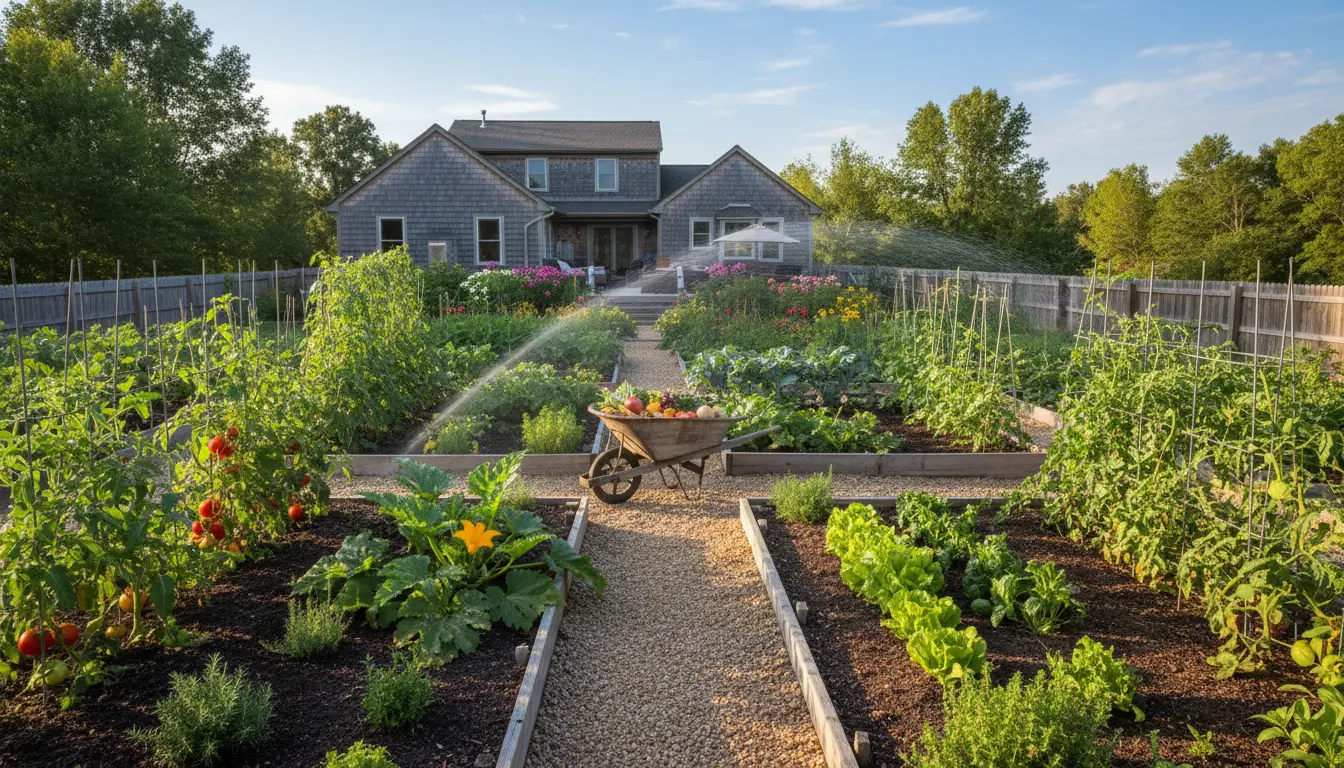
Design beds for easy access and maintenance. Aim for beds no wider than 4 feet so you can reach the center from either side.
Plant taller crops on the north side of the bed to avoid shading shorter plants. Use companion planting to maximize space and reduce pests.
Planting and Watering Tips
Follow seed packet or plant tag instructions for spacing and depth. Planting at the correct depth helps seeds germinate consistently.
Water deeply and less frequently to encourage strong roots. Early morning watering reduces evaporation and leaf disease risk.
- Use soaker hoses or drip irrigation for consistent moisture.
- Mulch beds with straw or shredded bark to retain soil moisture and suppress weeds.
- Avoid overhead watering late in the day to limit fungal problems.
Fertilizing and Ongoing Care
Feed plants based on soil test recommendations. A balanced, slow-release fertilizer works well for many garden vegetables.
Monitor for signs of nutrient deficiency such as yellowing leaves or slow growth. Correct issues promptly to protect yield.
Pest and Disease Management for a Vegetable Garden
Use integrated pest management: prevention, monitoring, and targeted control. Encourage beneficial insects like ladybugs and lacewings.
Common tactics include hand-picking pests, using row covers, and applying organic treatments when needed.
- Rotate crops each year to reduce disease buildup.
- Clean up plant debris in the fall to limit overwintering pests.
- Choose resistant varieties when available.
Harvesting and Storage
Harvest vegetables when they reach recommended size for best flavor and continued production. Frequent harvesting encourages more yield for many crops.
Store produce correctly: cool, dry conditions for root crops, and refrigeration for leafy greens and harvested tomatoes (if desired for longer storage).
Most common garden tomatoes are ready to harvest 60 to 85 days after transplanting, depending on the variety.
Simple Tools and Supplies to Start a Vegetable Garden
You do not need expensive equipment to begin. A few quality hand tools will cover most tasks.
- Garden fork or spade for turning soil
- Trowel and hand rake for planting and weeding
- Watering can or hose with a gentle nozzle
- Compost bin or access to organic matter
Seasonal Checklist for Beginners
Follow a simple seasonal routine to keep your garden productive. Break tasks into weekly or monthly steps to avoid overwhelm.
- Spring: test soil, build beds, start seeds indoors if needed.
- Early summer: transplant seedlings, mulch, stake tall plants.
- Mid to late summer: monitor irrigation and pests, harvest regularly.
- Fall: clear spent plants, compost healthy debris, plan cover crops.
Case Study: Sarah’s Balcony Vegetable Garden
Sarah had a small sunny balcony and wanted fresh herbs and tomatoes. She started with two 12-inch containers and a potting mix with compost.
Over one season she grew cherry tomatoes, basil, and leaf lettuce. Using drip irrigation and weekly feeding, she harvested herbs all summer and had continuous small yields of tomatoes.
Her costs were under $100 for containers and supplies, and she reduced grocery herb purchases while enjoying fresher flavor.
Final Tips on How to Start a Vegetable Garden
Start small and expand as you learn. Early success with a few crops builds confidence and skills for the next season.
Keep records: note planting dates, varieties, and problems. These notes make improvements easier year to year.
With consistent care and a simple plan, anyone can start a productive vegetable garden. Use this guide as your checklist and adapt steps to your local climate and space.