
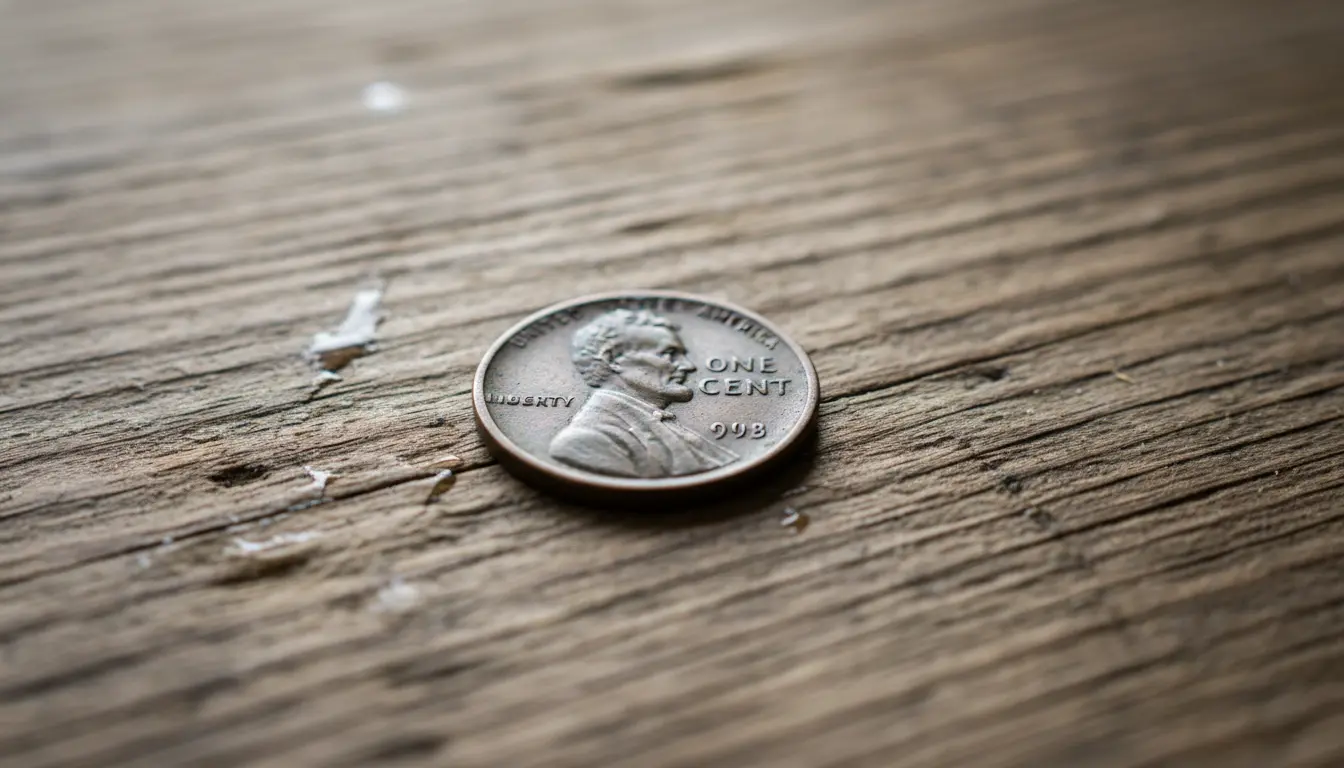
Understanding Lincoln Wheat Pennies by Year in 2025
Lincoln Wheat pennies (1909–1958) are a core series for collectors and investors. By checking the year, mint mark, and condition, you can find coins with hidden value in 2025.
This guide explains which years commonly carry value, why some strikes are rare, and practical steps to evaluate a coin at home.
How Year Affects Value for Lincoln Wheat Pennies

The production year tells you the mintage, design changes, and known errors for each issue. Lower mintage years, special mint marks, and documented error types usually increase value.
Condition matters: the difference between a worn coin and one that grades MS65 or higher can be dramatic. Always compare by year and grade.
Key Year Indicators to Check
- Mint mark: Look below the date for D (Denver) or S (San Francisco). No mint mark means Philadelphia.
- Strike quality: Weak strikes can lower value unless the weakness is a known variety.
- Errors: Doubled dies, off-center strikes, and planchet errors can add substantial premium.
Top Lincoln Wheat Pennies by Year to Watch
Certain dates are consistently sought after by collectors. Focus on these when sorting change or estate finds.
1909 Varieties (1909, 1909-S, 1909-S VDB)

1909 introduced the Lincoln cent. The 1909-S and the 1909-S with designer Victor D. Brenner’s initials (VDB) on the reverse are important early-date varieties.
Look for clear VDB initials on the reverse and a sharp strike on the obverse date.
1914-D and Other Low Mintage Years
1914-D is a classic key date for collectors because of low mintage and strong demand. Coins in higher grades command notable premiums.
1922 No D and 1931-S

The 1922 “No D” (no visible mint mark due to weak strikes) and the 1931-S are examples of year/mint combinations that can be worth more than common-date pennies, especially in better condition.
1955 Doubled Die and 1943 Copper Errors
The 1955 doubled die obverse is one of the most famous modern errors and can be worth thousands in high grades. Likewise, a 1943 copper planchet (instead of zinc-coated steel) is exceptionally rare and valuable.
Practical Steps to Identify Value by Year
Use this quick checklist when you review a wheat penny. Each step helps narrow down potential value.
- Clean? Never clean a coin — cleaning can destroy value.
- Magnify the date and mint mark to confirm year details and varieties.
- Check edges and fields for errors like doubling, off-center strikes, or wrong planchet metal.
- Compare with a reputable price guide or an online auction that lists comparable grade examples.
Did You Know?
Some Lincoln Wheat pennies were struck on leftover planchets from other coins, which produced rare color and metal variations collectors hunt for today.
Case Study: Finding a 1955 Doubled Die in Change
A private collector discovered a 1955 doubled die obverse in a rolled lot he bought from a bank in 2024. He noticed strong doubling on the date and LIBERTY, which matched reference photos.
After professional authentication and grading, the coin sold to a specialist collector. This illustrates checking each coin carefully — high-value examples still appear in everyday finds.
When to Use Professional Grading
If a penny appears to be a key date, error, or high grade, submitting it to a professional grading service (PCGS or NGC) is often worth the cost. Grading provides authentication and a marketable grade that buyers trust.
For common dates in low grade, grading is rarely necessary. Use grading selectively on coins that appear to have above-average eye appeal or rare features by year.
Smart Collecting Strategies for 2025
Focus on a few areas to get the most from collecting wheat pennies in 2025. Narrowing your goals helps you spend wisely.
- Specialize by year range, mint mark, or error type to build expertise and spotting skill.
- Buy reference books and use online databases to verify varieties by year.
- Attend local coin shows and talk with dealers about price trends for specific years.
- Preserve coins in holders or flips to prevent further wear and maintain value.
Quick Example Checklist When Evaluating a Penny by Year
- Confirm the date and mint mark under magnification.
- Look for known varieties for that year (doubled die, overdate, no mint mark).
- Assess wear grade: Good, Fine, Extremely Fine, or Mint State.
- Compare to recent sales or price guides before assuming value.
Final Thoughts on Lincoln Wheat Pennies by Year
Understanding the significance of year, mint mark, and errors helps you uncover hidden value in Lincoln Wheat pennies in 2025. Patience, careful inspection, and selective grading produce the best long-term results.
Start small, learn key dates, and build a reference of reliable sources. Over time you will recognize high-value years and avoid common pitfalls when collecting.