
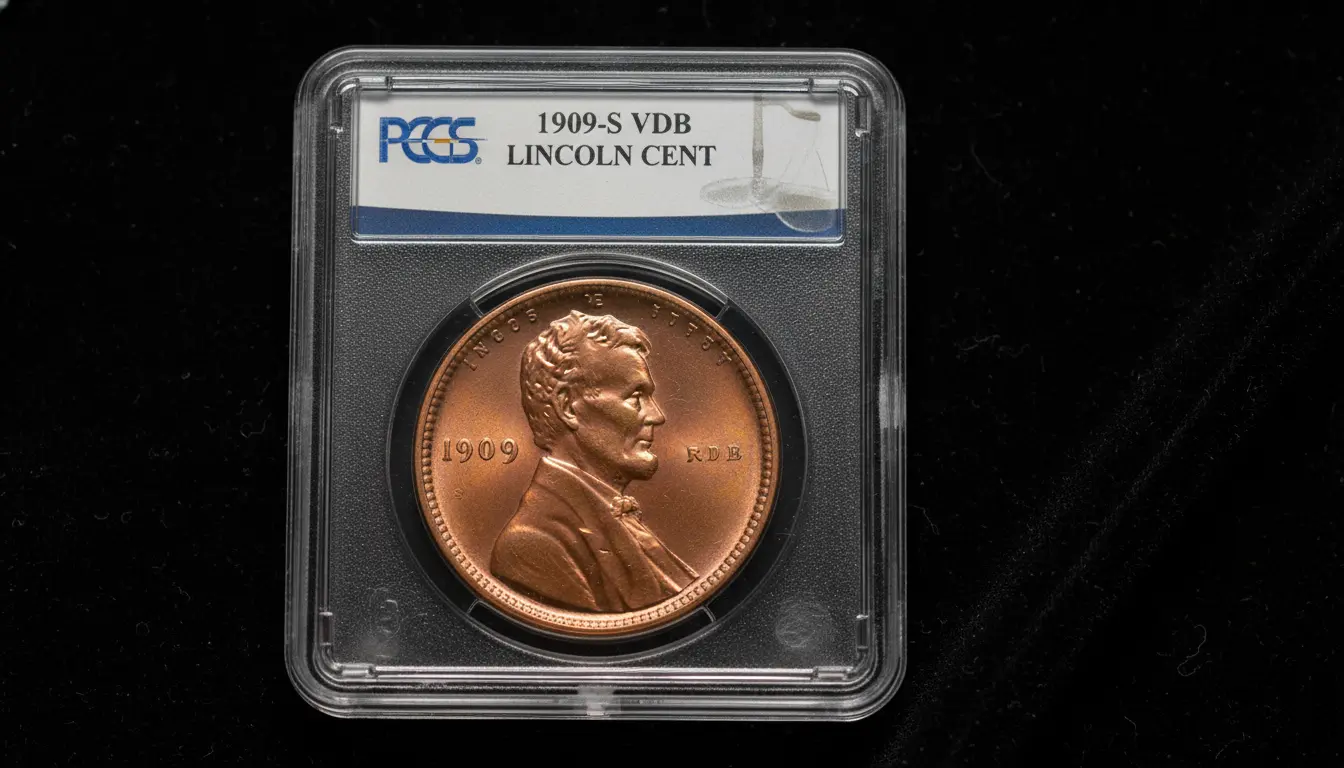
The Lincoln Wheat Penny Valued at $14 Million — What the Claim Means
Online headlines sometimes claim a Lincoln Wheat Penny is worth $14 million. That figure sounds exciting, but it rarely applies to ordinary wheat cents in circulation.
The Lincoln Wheat Penny series ran from 1909 to 1958 and includes some high-value error coins and rare dates. Still, a $14 million price tag is extraordinary and likely a mix-up with famous rarities from other series.
Why $14 Million Is Very Unlikely for a Wheat Penny

Most wheat pennies are common and worth only face value or a few cents to collectors. A tiny number of error or pattern coins can reach high auction prices, but multi-million-dollar sales are exceptional.
High auction prices usually apply to unique items like early U.S. silver dollars, not standard copper wheat pennies. When a huge figure appears, check the original auction record and source before sharing or believing the claim.
Common reasons for inflated claims
- Confusion with other rare coins (for example, early silver dollars).
- Mistaken identification of an error coin.
- Clickbait headlines that stretch a single dramatic sale into a general statement.
One of the most famous Lincoln cent errors is the 1943 bronze (or copper) penny. A 1943 bronze Lincoln cent sold at auction for roughly $1.7 million in 2010, making it one of the most valuable wheat-era cents ever sold.
Is the Lincoln Wheat Penny Valued at $14 Million Still in Circulation?

Practically speaking, it is extremely unlikely that a wheat penny worth anywhere near $14 million is circulating in everyday change. Most multimillion-dollar coins are in private collections or museums and are heavily documented.
However, it is possible to find rare wheat pennies in circulation by chance. These finds are rare but not impossible, especially with error coins or older dates that were saved or forgotten in rolls.
How to check a wheat penny you find
- Look at the date and mint mark. Key dates (like 1909-S VDB, 1914-D) are more valuable.
- Examine color and weight. Bronze cents are heavier than 1943 steel cents.
- Check for obvious errors: double dies, off-center strikes, or wrong-metal strikes.
Practical Steps If You Think You Found a Very Valuable Lincoln Wheat Penny
Handle the coin carefully. Do not clean, polish or alter the coin. Cleaning usually destroys collector value.

Take clear photos from both sides with good lighting. These images help experts give a first opinion without risking the coin.
Who to contact for authentication
- Local coin dealer or reputable coin shop for an initial look.
- Third-party grading services such as PCGS or NGC for professional certification.
- Auction houses specializing in coins if you consider selling at auction.
What Affects the Value of a Lincoln Wheat Penny?
Value comes from rarity, condition (grade), demand, and provenance (documented history). Even a rare date in poor condition may be worth much less than a high-grade example.
Error coins can be valuable but must be authenticated. Some errors are common and inexpensive, while others are unique and command substantial sums.
Checklist to assess value
- Date and mint mark accuracy
- Metal composition and weight
- Surface condition and wear
- Visible mint errors or unusual features
- Documented provenance or previous auction records
Real-World Example: The 1943 Bronze Lincoln Cent
One instructive case is the 1943 bronze Lincoln cent error. Most 1943 cents were struck in zinc-coated steel due to wartime copper shortages. A few bronze cents were mistakenly struck and later discovered.
In 2010 a 1943 bronze cent brought roughly $1.7 million at auction. That sale shows that error wheat pennies can be extremely valuable, but it also highlights the rarity of such finds and the importance of proper authentication.
Practical Tips for Collectors and the Public
If you find a wheat penny that looks unusual, follow these simple steps:
- Do not clean the coin; cleaning damages value.
- Take detailed photos and note where you found it.
- Ask a reputable dealer or send images to a grading service for a preliminary opinion.
- Consider third-party grading before attempting to sell a high-value coin.
Summary: Could a $14 Million Lincoln Wheat Penny Be in Circulation?
A wheat penny with a genuine $14 million value is extremely unlikely to be in ordinary circulation. Most high-value coins are well-documented and seldom travel as loose change.
Still, rare wheat pennies do turn up occasionally, and when they do, careful handling and professional authentication are essential. If you think you have something rare, document it, avoid cleaning, and consult trusted experts.
Finding a rare coin is exciting, but verifying authenticity and value is a step-by-step process. Use the practical checks above to protect your find and get a reliable appraisal.