
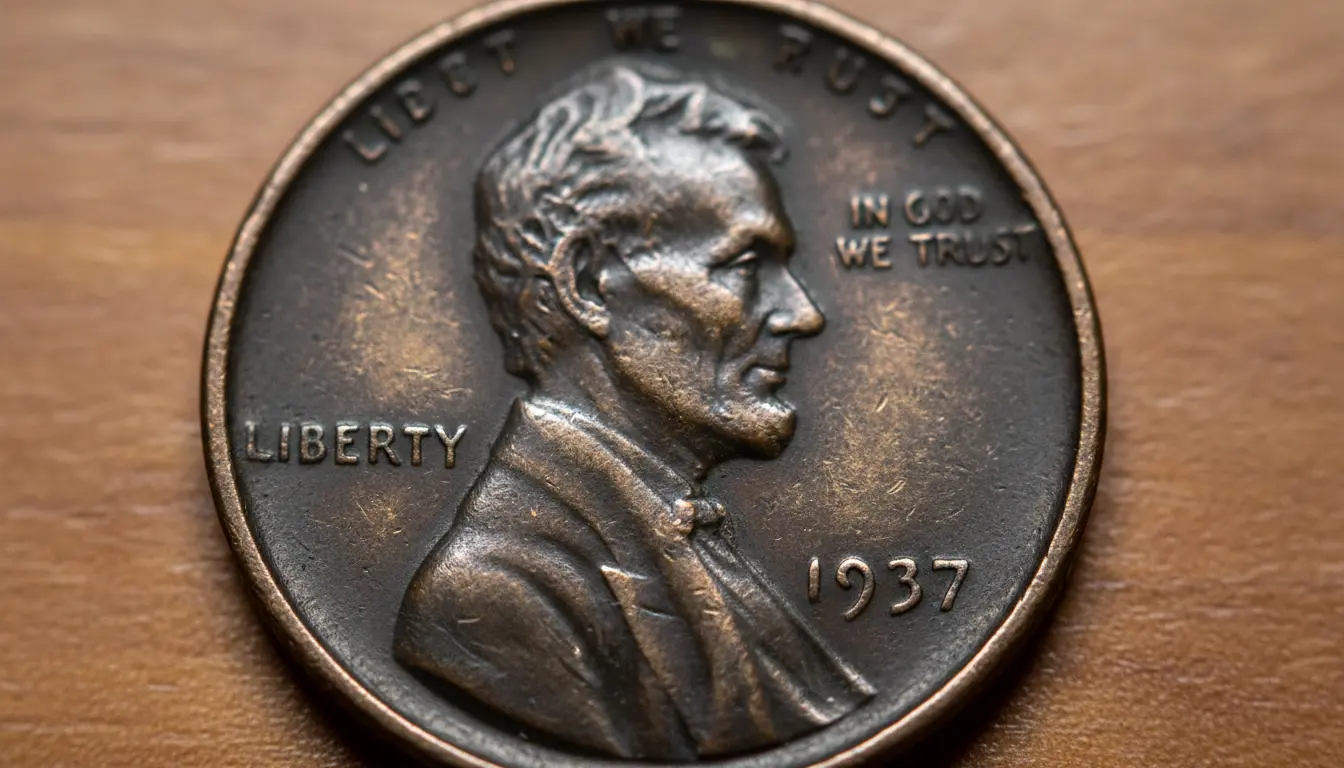
Stories about a single penny being worth $1.9 billion are attention-grabbing, but they usually mix truth with myth. This guide explains how rare Lincoln Wheat pennies can get, how to check a coin in your pocket, and what realistic top values look like.
Could a Lincoln Wheat Penny Be Worth $1.9 Billion?
No mainstream auction or grading service has authenticated a Lincoln Wheat penny with a value remotely close to $1.9 billion. That figure appears in chain emails and viral posts, not in reputable coin-market records.

That said, some Wheat pennies are genuinely rare and valuable. High-grade or error examples can sell for tens of thousands, hundreds of thousands, or in exceptional cases, more than $1 million. But a $1.9 billion valuation is not supported by real sales data.
Why the $1.9 Billion Claim Persists
Misinformation spreads because coin stories are easy to sensationalize. Confusion often comes from mixing up different eras, errors, or notable auction results for other coin types. The most valuable coins ever sold are early silver and gold issues, not Wheat pennies.
How to Identify a Valuable Lincoln Wheat Penny
Start with simple checks you can do at home. These quick steps help separate common pennies from candidates worth professional attention.
- Look at the year and mintmark: Wheat pennies were made from 1909 to 1958 and include key dates like 1909-S VDB and 1914-D.
- Check for errors: doubled dies, off-center strikes, repunched mintmarks, and wrong-planchet strikes can raise value.
- Do a magnet test: most Wheat pennies are copper and non-magnetic; certain wartime or error pieces may behave differently.
- Assess condition: higher grades (minimal wear, strong details) increase value dramatically.
Simple Home Tests

Use a magnifier, a basic scale, and a magnet. A magnifier reveals doubling or die breaks. A scale helps spot wrong-metal planchets. A magnet distinguishes steel from copper.
These checks don’t replace professional grading but they are low-cost, effective filters to decide if you should seek expert authentication.
When to Get Professional Authentication for a Lincoln Wheat Penny
If a coin meets one or more of these conditions, consider professional grading:
- It’s a known key date (for example, 1909-S VDB or 1914-D).
- You spot a clear mint error or unusual metal color.
- The coin’s condition appears extremely high for its age.

Use established graders such as PCGS or NGC. Authentication and grading provide provenance and a market-ready certification that significantly affects auction results.
How Grading Affects Value
Grades range from poor to mint state. Small differences in grade can mean large jumps in value. For Wheat pennies, a certified high-grade specimen may sell for many times the value of an uncertified example.
Where to Check Realistic Values for Lincoln Wheat Penny
Reliable resources include auction sites and reference services. Look at recent auction results rather than speculative price lists to see what collectors actually pay.
- PCGS CoinFacts and NGC Price Guide
- Heritage Auctions and Stack’s Bowers sale archives
- Red Book (A Guide Book of United States Coins) for historical context
Typical Value Ranges
Common 1930s–1950s Wheat pennies in circulated condition are usually worth face value to a few dollars. Key dates and high-grade specimens are the exceptions that command significant prices.
Practical Steps If You Think You Have a Rare Lincoln Wheat Penny
Follow a clear process to protect value and avoid costly mistakes. Handling and documentation matter.
- Keep the coin clean and handle by the edges; do not polish it.
- Take clear photos of both sides and note the year and mintmark.
- Run the simple at-home tests: magnifier, magnet, and weight check if possible.
- Compare to listings and auction results from PCGS, NGC, and Heritage.
- If promising, submit the coin to a reputable grading service for authentication.
Where to Sell or Get an Appraisal
Do not rush to a random buyer. Use auction houses or dealers who specialize in U.S. coins and have verifiable sale records. Online marketplaces can help you gauge interest but authenticate first.
Small Case Study: One Real-World Example
A collector found an odd-looking 1943 Lincoln cent in a jar of coins. The coin appeared copper-colored rather than the usual steel of that wartime year. After photographing and researching online, the collector submitted it to a professional grading service.
The coin was authenticated as a rare 1943 copper strike and later sold at auction to a private buyer. While not anywhere near $1.9 billion, the sale attracted attention because the coin changed hands for a seven-figure price, showing how an unlikely find can be valuable when verified.
Bottom Line on a Lincoln Wheat Penny Worth $1.9 Billion
A Lincoln Wheat penny valued at $1.9 billion is effectively a myth. Still, Wheat pennies can be rare and valuable, sometimes commanding high prices when authenticated and graded.
Use the checks above, document your find, and consult certified graders if a coin looks out of the ordinary. That practical approach protects your potential value and prevents falling for viral coin myths.