
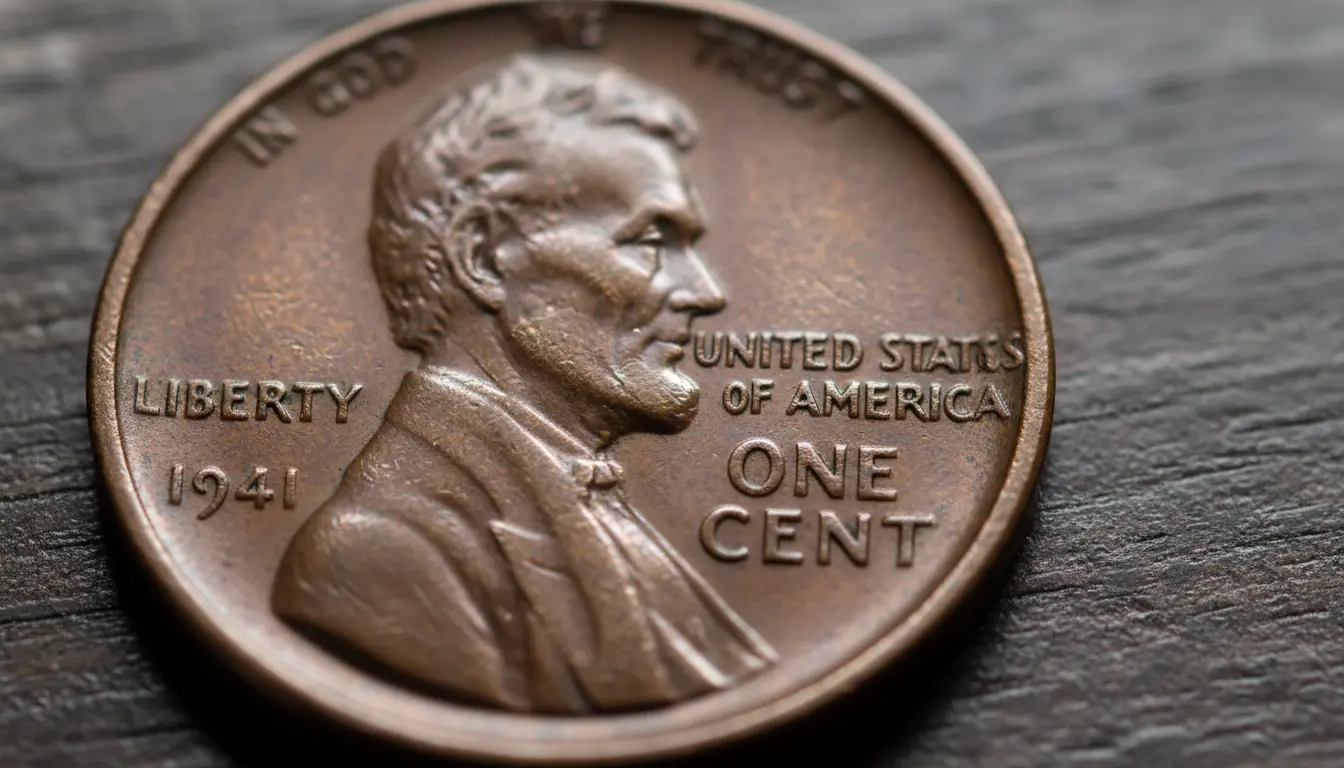
Why the Claim Lincoln Wheat Penny Worth $13.7 Billion Appears
Online headlines sometimes state that a Lincoln Wheat Penny is worth $13.7 billion. These claims are often sensationalized, based on misunderstanding, or calculated from a hypothetical scenario rather than a single coin sale.
The Lincoln Wheat penny was minted from 1909 to 1958 and millions were produced. A large aggregate inventory or rare error extrapolated across many coins can create unrealistic totals that sound dramatic.
How Coin Value Is Really Determined

Coin value depends on several practical factors. These include rarity, condition, demand, historical significance, and verified authenticity.
- Rarity: How many known examples exist at a certain grade.
- Condition: Grading scale from Poor to Mint State affects price dramatically.
- Demand: Collector interest for specific dates, mint marks, or errors.
- Authentication: Certified coins (PCGS, NGC) command higher, verified prices.
Common Misinterpretations That Inflate Values
Some viral values are based on math mistakes or hypothetical totals. For example, multiplying an assumed per-coin premium by the total number of surviving coins creates an unrealistic aggregate value.
Another source of error is confusing total face value, melt value, and collector market value. Face value for a penny is one cent. Melt value is the metal worth. Collector value is separate and varies.
How to Check If a Lincoln Wheat Penny Is Valuable

Follow a practical checklist to assess whether a single penny may be worth far more than face value. The checklist helps you avoid scams and overvaluation.
- Identify year and mint mark (under the date and on the reverse near the rim).
- Look for errors: doubled die, off-center strike, incorrect planchet, or repunched mint marks.
- Assess condition: signs of wear, scratches, corrosion, or original luster.
- Get third-party grading and authentication from PCGS or NGC for high-value candidates.
Tools and Resources
Use a loupe (5x–10x), good light, and reference guides. Online price databases, auction records, and collector forums provide recent sale data.
Key resources include:
- PCGS Price Guide
- NGC Certification Lookup
- Heritage Auctions and Stack’s Bowers auction archives

The Lincoln Wheat penny was the first U.S. coin to feature a real person on the obverse. Over 33 billion Lincoln cents were minted between 1909 and 1958 in various designs and mintages.
Case Study: A Real-World Collector Example
In 2016 a collector found a 1943 steel Lincoln cent in circulated condition. The coin was authenticated and sold at auction for a six-figure sum because steel cents from that year are rare anomalies.
This case shows how a single factor (wrong metal composition) combined with authentication and auction exposure can create a high sale price. It does not support multi-billion-dollar valuations for ordinary examples.
Practical Steps to Authenticate and Appraise a Potentially Valuable Penny
Work methodically to avoid costly mistakes. Follow these steps to move from initial suspicion to sale or insurance.
- Document the coin with clear photographs of both sides and close-ups of the date and mint mark.
- Compare against reference photos of known errors and high-value dates.
- Consult established price guides and recent auction results for similar coins.
- If the coin looks significant, submit it to a reputable grading service for authentication.
- Get multiple opinions for very high-value claims before accepting offers.
Where to Sell or Insure
Reputable outlets include major auction houses, certified dealers, and consignment shops that specialize in numismatics. Avoid selling to unknown buyers without references.
For insurance, a professional appraisal and documented certification are usually required to list the coin as a scheduled valuable in a homeowners or collectors policy.
How to Respond to Viral $13.7 Billion Headlines
When you see a claim like “Lincoln Wheat Penny Worth $13.7 Billion,” apply skepticism and investigate. Ask for source data, sale records, and authentication documents.
Typical red flags include lack of a verifiable sale, missing certification, and sensational aggregations. Responsible reporting and appraisal always show verifiable auction records or expert reports.
Summary and Practical Advice
Most Lincoln Wheat pennies are worth modest amounts to collectors. A small number of rare dates and errors can be very valuable, but not every penny is a jackpot.
If you suspect you own a rare wheat penny, document it, research comparable sales, and use certified grading services. That practical route protects you and provides realistic value estimates.
Quick Checklist Before You Act
- Note the date and mint mark clearly.
- Check for visible errors or unusual metal.
- Use reputable price guides and auction records.
- Get third-party authentication for high-value candidates.
- Use verified auction houses or dealers for sale.
Following these steps will help you separate viral hype from real collector value and make informed decisions about appraisal, sale, or insurance.