
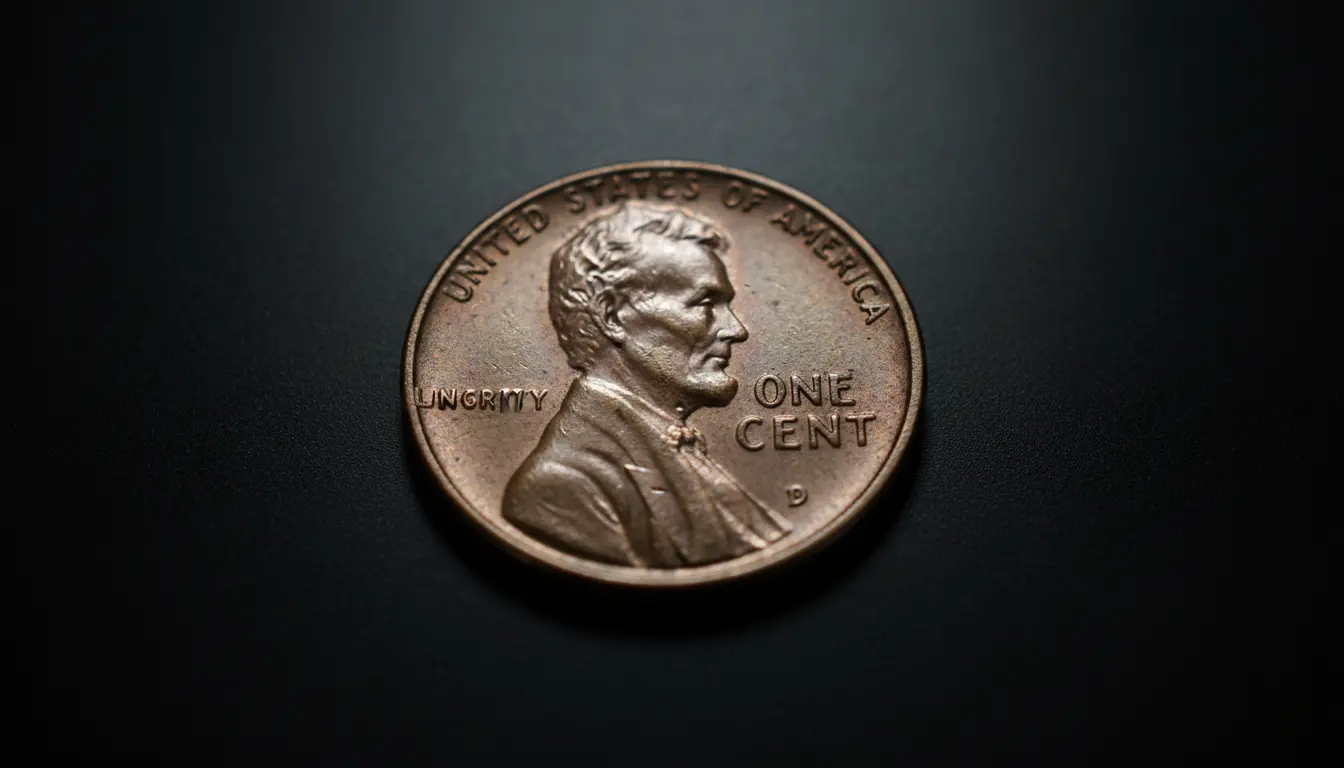
Could a Lincoln Wheat Penny Be Worth $4.4 Million?
Finding a Lincoln Wheat penny in your pocket and wondering if it could be worth $4.4 million is natural. In practice, pennies that sell for millions are extremely rare and usually have specific error traits, flawless condition, and solid provenance.
Why the idea sounds plausible
Lincoln Wheat pennies (1909–1958) are widely collected and studied by numismatists. Over the decades, a few rare examples and major mint errors have sold for very large amounts at auction.

But the $4.4 million figure is exceptional. It would require a one-of-a-kind combination of rarity, condition, and documented history to reach that number.
What makes a Lincoln Wheat penny valuable?
Several factors determine a penny’s value. Collectors and dealers look for date and mint mark scarcity, major mint errors, surface condition, and provenance.
- Date and mint mark: Some years and mint combinations had low production and survive in few high-grade examples.
- Major mint errors: Examples include wrong-metal strikes, major doubling, or misplaced dies.
- Condition (grade): Coins graded Mint State (MS) or Proof with minimal wear fetch higher prices.
- Provenance: Documented ownership and auction history can boost buyer confidence and price.
Common high-value types to watch for
- 1943 copper cents (most 1943 cents were steel)
- 1909-S VDB (low mintage and popular among collectors)
- 1914-D (scarce in high grade)
- 1955 doubled die obverse examples
- 1922 No D and other major minting anomalies
Most Lincoln Wheat pennies are copper alloys. In 1943 the U.S. used steel for pennies to conserve copper during World War II. A genuine 1943 penny struck in copper is one of the best-known rarities.
How to check if your penny might be valuable

Follow a simple, careful process before assuming your penny is worth millions. Quick tests can rule out common examples and identify candidates for professional review.
Step-by-step checklist
- Check the date and mint mark. Use a loupe or magnifier to read small details.
- Do not clean the coin. Cleaning can destroy surface details and drop value.
- Perform a magnet test. A steel 1943 cent will be magnetic; a non-magnetic 1943 could be suspect and worth further study.
- Weigh the coin. Bronze cents are about 3.11 grams; steel cents are lighter (around 2.7 grams). Use a precise digital scale.
- Look for doubling, repunched mint marks, or off-center strikes. Photograph any anomalies clearly.
Authentication and grading
If initial checks suggest rarity, the next step is authentication and professional grading. Grading services provide third-party verification of authenticity and condition.
- Major third-party graders: PCGS, NGC, and ANACS.
- Submit high-resolution photos and a description when requesting a valuation from dealers or auction houses.
- Be prepared for submission fees and turnaround time if you choose formal grading.
Why grading matters
A certificate from a reputable service can multiply a coin’s marketability and price. Buyers of high-end coins expect authentication and a reliable grade.
How realistic is a $4.4 million sale?

Coins reaching multi-million-dollar prices are exceptional and usually involve historically significant or uniquely rare pieces. For Lincoln Wheat pennies, known high-end sales have been well under $4.4 million in most documented cases.
That does not make a seven-figure sale impossible, but it requires a coin that is demonstrably unique, correctly attributed, and verified by experts.
Factors that could push a price very high
- A one-of-a-kind minting error with clear documentation.
- Unbroken provenance linking the coin to a historically important collection.
- Perfect Mint State condition with eye appeal and originality.
- Bidding competition among wealthy collectors or institutions.
Case study: A rare penny that made headlines
Example: A copper 1943 Lincoln cent—which should not exist in copper—has been reported to sell at high prices when authenticated. Such finds are rare and attract serious collector interest.
When one surfaced, experts weighed, magnet-tested, and had it authenticated by a major grading service before an auction. The documented error and certification were crucial to securing strong bids.
What to do if you think you have a rare penny
Don’t clean or handle the coin more than necessary. Place it in a soft holder and document its condition with photos under neutral light.
- Perform basic checks: date, mint mark, magnet test, and weigh it.
- Contact a reputable coin dealer or local numismatic association for an initial opinion.
- If promising, submit the coin to a third-party grading service for authentication.
- Consider auction houses experienced with rare coins if the piece grades highly.
Final practical advice
The chance that a random Lincoln Wheat penny in your pocket is worth $4.4 million is extremely small. Still, valuable exceptions exist and are worth checking carefully.
Start with careful, non-destructive tests and seek expert opinions. If the coin is genuinely rare and authenticated, serious collectors and auction houses will determine its market value.
Want a quick assessment? Take clear photos of both sides, note the date and mint mark, and contact a trusted dealer or grading service for guidance.