
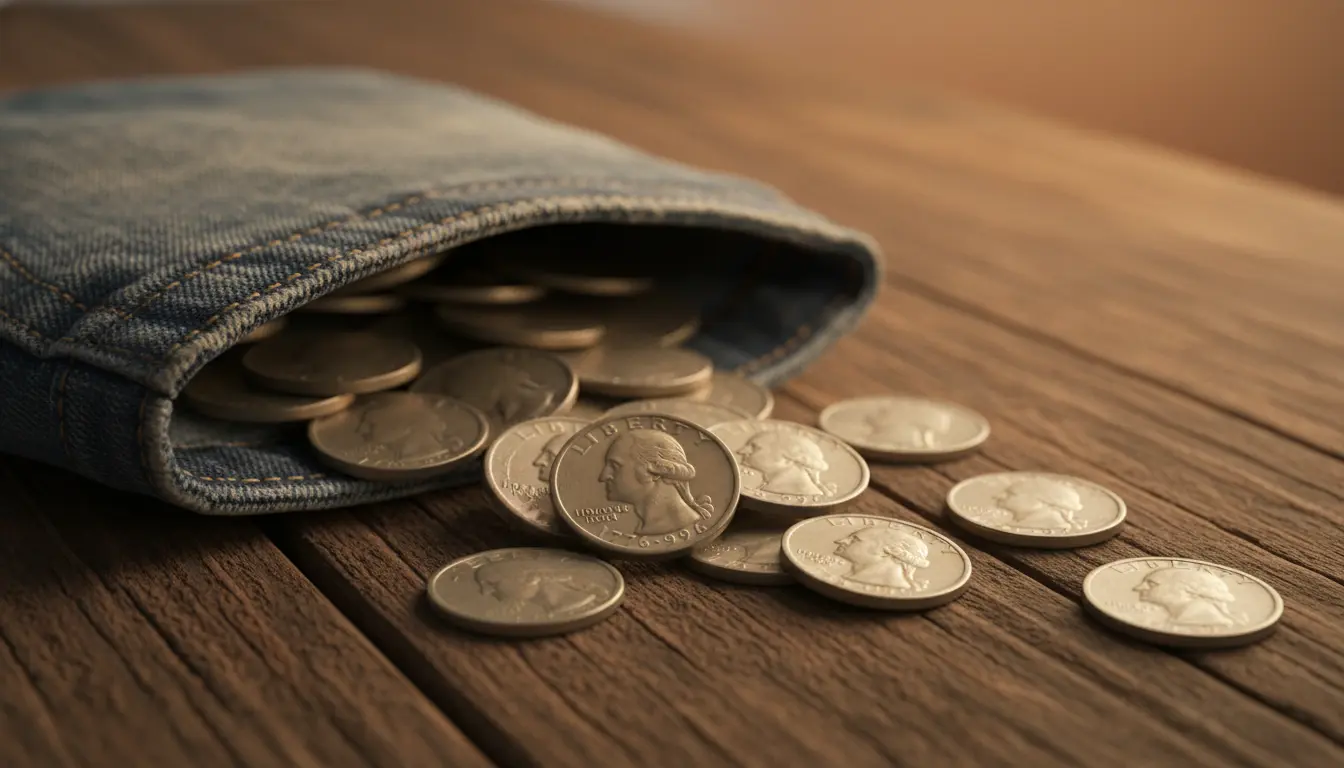
Many collectors and casual savers wonder whether a worn quarter from the 1970s could be a hidden treasure. The 1976 Bicentennial quarter is common in circulation, but a few error and high-grade examples can be worth substantially more than face value. This guide explains where to look, how to inspect coins, and realistic next steps if you find a promising Bicentennial quarter.
Why the Bicentennial quarter matters
The Bicentennial quarter, struck for the United States’ 200th anniversary, carries the dual date 1776–1976 and a special reverse design by Jack L. Ahr. Millions were minted for circulation and special sets, so most are common.

Despite broad availability, collectors prize certain varieties, errors, and exceptionally well-preserved specimens. Those specific coins are what drive higher prices at auction or in private sales.
What to look for when hunting Bicentennial quarters
Use these inspection steps when you sort through pocket change or rolls. Each check takes only a few seconds and can flag a coin worth closer study.
- Mint mark: Look for D (Denver) or S (San Francisco proof). Philadelphia pieces in 1976 typically have no mint mark.
- Obvious errors: Off-center strikes, double strikes, clipped planchets, or broadstrikes are instantly noticeable.
- Doubled die: Check the lettering and date for doubled images — this requires a magnifier to confirm.
- Toning and surfaces: Attractive natural toning can increase appeal, while heavy corrosion lowers value.
- Grade: Uncirculated (MS) and Proof (PR) coins in top grades are far more valuable than worn examples.
Tools to carry for quick checks
These inexpensive tools make a big difference during a hunt.
- 10x jeweler’s loupe
- Soft white light or LED flashlight
- Reference guide or phone app for coin varieties
How errors and varieties affect value for Bicentennial quarters

Not all errors are equally valuable. The most sought-after items are rare production mistakes and coins in top condition from limited mintages.
Examples of desirable characteristics include:
- Doubled die obverse or reverse
- Major off-center strikes (large portion of design missing)
- Severe die cracks or cuds that create unique features
- Specimen or proof strikes with full, original luster and high grade
Realistic value expectations
Most Bicentennial quarters are worth face value to a few dollars. Error coins and high-grade proofs can reach substantially higher prices, sometimes selling for hundreds or low thousands in specialist markets. Extremely rare finds are possible but uncommon, so temper expectations while remaining alert.
Step-by-step: What to do if you find a promising Bicentennial quarter
If a coin catches your eye, follow a practical sequence so you preserve its condition and verify value correctly.
- Handle carefully: Hold by the edges and avoid cleaning the coin; cleaning can destroy value.
- Document the coin: Take clear photos under good light, showing both sides and any unusual features.
- Compare: Use a reputable reference book or trusted online resource to match mint marks, varieties, and known errors.
- Get a second opinion: Post images in collector forums or consult a local coin dealer for an initial assessment.
- Consider grading: For potentially high-value coins, third-party grading by PCGS or NGC can authenticate and certify grade before sale.
Where to sell or appraise
Choose the sales channel based on rarity and expected value. Local dealers can offer quick sales and immediate cash. Online auction platforms often reach specialized buyers and may yield higher prices for rare coins. For top-tier specimens, consider established coin auction houses.
Case study: A small discovery with a meaningful outcome
A hobbyist searching through rolled quarters found a 1976 quarter with a pronounced off-center strike. After photographing the coin and posting images to a coin forum, the collector received several independent confirmations that it was a significant error.
The owner sent the piece for third-party authentication and later sold it in an online auction to a specialist collector. The sale price was several times higher than typical circulation value, turning a small find into a positive return.
Tips for long-term collectors and beginners hunting Bicentennial quarters
Use these practical rules to make your search efficient and rewarding.
- Check rolls from banks: Many collectors find higher-quality coins in full rolls or bank-wrapped lots.
- Join local clubs: Coin clubs and regional shows are great for learning, networking, and trading.
- Keep records: Log acquisitions with photos, purchase details, and condition notes for resale or insurance.
- Be patient: High-value finds are rare. Regular, careful inspection increases your chances over time.
Final thoughts on hunting the Bicentennial quarter
While the headline idea that pocket change could be worth billions is a dramatic prompt, the practical reality is more modest: a handful of Bicentennial quarters and error examples can be surprisingly valuable, but most are common. With the right tools, a cautious approach to handling, and a willingness to authenticate, you can identify the coins that matter and pursue reasonable returns.
Hunting coins is both a practical exercise and a learning hobby. Treat each coin with care, verify claims before paying for grading or selling, and enjoy the process of discovering what ordinary pocket change might hide.