
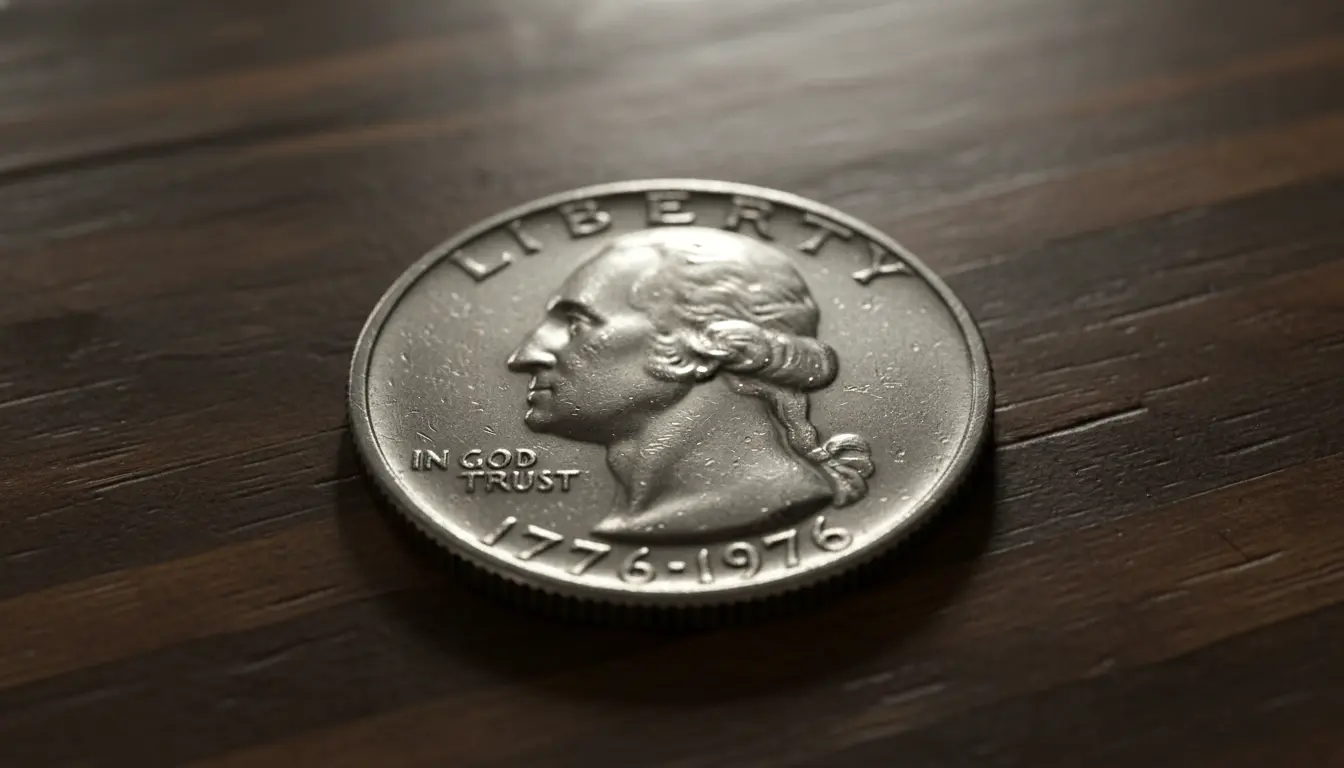
How a Rare Bicentennial Quarter Could Be Worth Millions
The 1976 Bicentennial quarter is a common piece of modern U.S. coinage, but unusual errors or extremely rare varieties can dramatically increase value. Most circulated Bicentennial quarters are worth face value or modest premiums. However, exceptional errors, unique minting anomalies, or extremely rare survival of a specific trial strike could draw major collector interest.
This article explains what to look for, how to verify a rare Bicentennial quarter, and practical next steps if you think you own a high-value coin.
Key Features of the Bicentennial Quarter

Understanding normal design details helps you spot anomalies quickly. The Bicentennial quarter was issued with the dual date 1776–1976 and features a drummer boy reverse by Jack L. Ahr. Both business strike and special collector issues (silver-clad 40% silver proofs) were produced.
Check these baseline features first before assuming rarity.
Normal Design Elements
- Obverse: Washington portrait (same as pre-1976 quarters).
- Reverse: Drummer boy with a colonial drum and victory torch, with date 1776–1976.
- Mint marks: No mint mark (Philadelphia, generally), D for Denver, S for San Francisco on proofs and collector pieces.
How to Identify a Rare Bicentennial Quarter
Start with visual inspection under magnification. Look for errors or unusual characteristics that deviate from standard specimens. Small differences can indicate a die error, overstrike, or pattern piece worthy of expert attention.
Common High-Value Error Types to Watch For
- Double die obverse or reverse — doubling of letters, dates, or design features.
- Off-center strikes — significant misalignment that cuts off design elements.
- Clad layer errors — missing or severely reduced copper-nickel outer layers or inner cores exposed.
- Die cracks or cuds — raised lines or blobs from damaged dies that may be unique.
- Wrong planchet — struck on an incorrect metal blank (rare and potentially valuable).
Step-by-Step Verification Process

Follow a clear process to evaluate and confirm the potential value of a Bicentennial quarter you suspect is rare.
1. Document the Coin
Take clear photos of both sides under good light and magnification. Note any visible doubling, missing elements, or irregular edges.
2. Compare Against References
Use reputable coin guides and databases to compare your coin with known varieties. Sites from PCGS, NGC, and major numismatic publications are reliable starting points.
3. Seek a Professional Opinion

Contact a local coin dealer or a reputable third-party grading service. Avoid social media appraisals as a final determinant; they can provide suggestions but not authentication.
4. Grade and Authenticate
If the coin appears to have a true mint error or pattern traits, submit it to a grading service (PCGS, NGC, ANACS) for authentication and slab certification. Proper grading often unlocks market confidence and higher prices.
Where to Sell or Auction a Verified Rare Bicentennial Quarter
After authentication, you have several options: sell to a specialist dealer, list in a major auction house, or use an established online numismatic marketplace. Each route has advantages and trade-offs in fees, audience, and speed.
Choosing the Right Sales Channel
- Specialist dealer: Faster sale, potentially lower price but immediate liquidity.
- Auction house: Better for rare, high-value items with marketing and provenance support.
- Online marketplaces: Good for reaching collectors, but requires excellent photos and clear grading.
The Bicentennial quarter design was minted only for a short period and appears with the dual date 1776–1976. Some rare error coins from any modern series can become highly sought after when confirmed by expert graders.
Practical Tips to Protect Value
Handle suspected valuable coins carefully. Use cotton gloves or hold by the edge to avoid oils and scratches. Store in a soft holder or coin flip to prevent further wear before grading.
Keep documentation of how and where you found the coin; provenance can help in auctions or private sales.
Small Case Study: Finding a Misstruck Modern Coin
A hobbyist checking pocket change noticed a Bicentennial quarter with an unusual raised ridge around the rim and offset design. They photographed the coin and compared it with grading service guides, then sent it to a reputable lab for evaluation.
The grading company authenticated a significant off-center strike and encapsulated the coin. The owner later marketed it at a specialist auction, where collector interest was strong because the variety was rare and well-documented.
Final Checklist If You Think You Have a Rare Bicentennial Quarter
- Photograph both sides clearly under magnification.
- Compare against trusted numismatic references.
- Consult a reputable dealer or grading service.
- Protect and store the coin to prevent damage.
- Choose the right sales channel after certification.
Conclusion: Be Careful and Methodical
While most Bicentennial quarters are common, rare errors or unique production pieces can be valuable. Do not assume extreme values without proper authentication and grading. A methodical approach—documenting, comparing, and using professional services—gives you the best chance to confirm a coin’s true worth.
If you think you might really have a significant find, contact a trusted numismatic professional and avoid quick private sales until you have certification.