
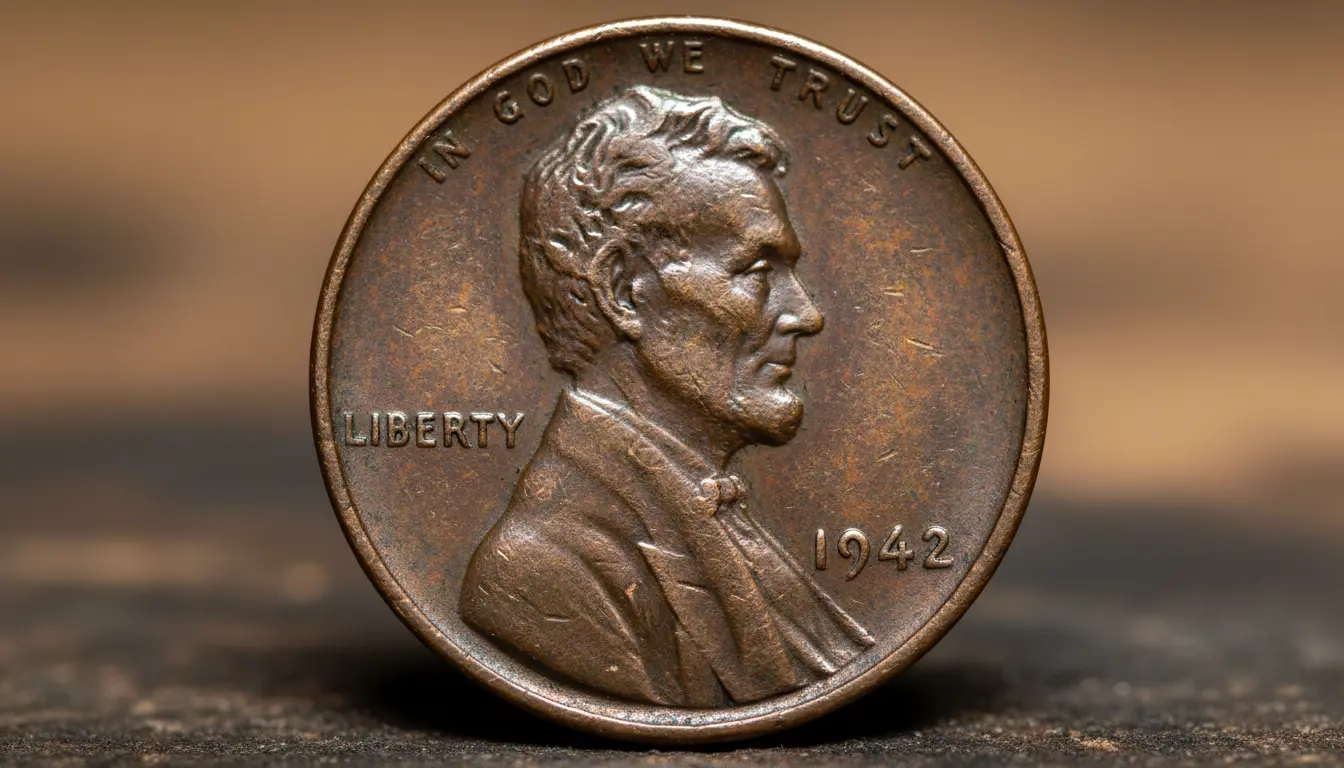
Many people keep jars or drawers of loose change without realizing a rare Lincoln Wheat penny might be hiding among them. One rare variety has sold for as much as $510,000 at auction, showing how valuable these small coins can be.
How to spot a rare Lincoln Wheat Penny still hiding in loose change
Start by separating pennies from other coins and spreading them on a flat, well-lit surface. Look for wheat stalks on the reverse; these identify the series as Wheat cents (1909–1958).

Key visual clues to watch for:
- Clear, readable date and mint mark near Lincoln’s shoulder.
- Unusual mint errors like doubled dies, repunched mint marks, or off-center strikes.
- Unexpected metal color: bronze vs. steel in 1943 cents.
Dates and varieties to check first
Some dates and varieties are much more likely to be valuable. Prioritize these when looking through change:
- 1909-S VDB and 1909-S (key early dates)
- 1914-D (low mintage)
- 1922 No D (missing mint mark)
- 1931-S (scarcer date)
- 1955 Doubled Die Obverse (dramatic doubling on the date and lettering)
- 1943 bronze cents (rare planchet error for that year)
Simple tests you can do at home
Some quick, noninvasive tests help separate possibilities from obvious non-candidates.
- Magnet test: 1943 steel cents are magnetic; rare 1943 bronze cents are not. Use a small magnet to distinguish metal type.
- Visual magnification: use a loupe or smartphone macro lens to inspect doubling, repunching, or die chips.
- Weight check: an accurate scale helps — bronze and steel cents have different weights.
What not to do

Do not clean or polish any coin you suspect is valuable. Cleaning destroys original surfaces and dramatically lowers a coin’s value.
Avoid using abrasive tools, chemicals, or ultrasonic cleaners. Instead, handle coins by the edges and store them in flips or coin holders.
Wheat cents were produced from 1909 to 1958 and are officially called Lincoln Wheat pennies. Collectors prize certain mint marks and error varieties that can sell for thousands or even hundreds of thousands of dollars.
Authentication and grading

If you find a candidate that looks rare, professional authentication is the next step. Third-party grading services provide certification and a marketable grade.
Common grading services to consider:
- PCGS (Professional Coin Grading Service)
- NGC (Numismatic Guaranty Corporation)
- ANACS (American Numismatic Association Certification Service)
These services will verify the coin’s authenticity, attribute varieties (like doubled die), and assign a grade that strongly affects price.
How much does grading cost?
Fees depend on the service, declared value, and turnaround time. Expect to pay a flat submission fee plus an insurance value fee. For suspected high-value pieces, the cost is often worthwhile because certification unlocks auction and dealer markets.
Where to sell a rare Lincoln Wheat Penny
Once authenticated, you have several options to sell or consign the coin. Consider your priorities: maximum price, speed, or convenience.
- Major auction houses: best for achieving top prices on high-value coins.
- Reputable coin dealers: faster sale but may offer wholesale prices.
- Online marketplaces: wider audience but factor in fees and shipping risks.
- Coin shows and local clubs: good for immediate offers and networking with collectors.
Tips for getting the best price
- Use professional photos and full certification details when listing online.
- Get multiple opinions from dealers or auction consignors before accepting an offer.
- Keep documentation of provenance, grading paperwork, and condition notes.
Small real-world case study
A family member cleared out a desk drawer and found a handful of old pennies. One 1955 Lincoln Wheat penny showed heavy doubling on the date and lettering. After sending it to a third-party grading service, the coin was authenticated as a 1955 Doubled Die Obverse and graded by a major lab.
The owner consigned the graded coin to an auction house and received a six-figure offer. This practical example shows how careful inspection, proper handling, and professional authentication can turn a piece of loose change into a major find.
Practical checklist before you hunt through change
- Gather tools: loupe (10x), magnet, small scale, cotton gloves, and coin holders.
- Work on a flat, well-lit surface and sort pennies by date and mint mark.
- Do not clean; photograph interesting coins and note any unusual features.
- If a coin looks promising, seek professional grading before selling.
Finding a rare Lincoln Wheat penny in loose change is rare but possible. With careful inspection, the right tools, and professional help for authentication, that small copper coin could be worth far more than its face value.