
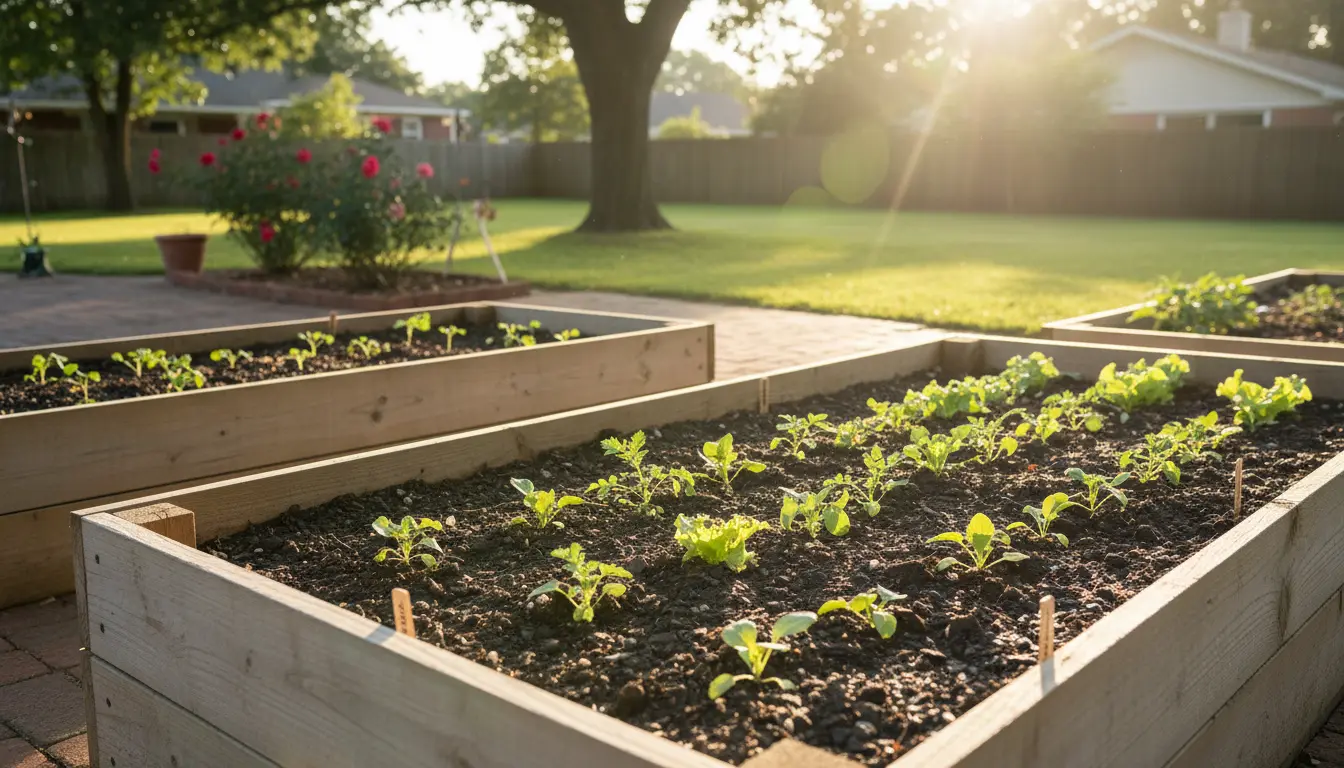
Starting a vegetable garden is a practical way to grow fresh food, save money, and enjoy time outdoors. This guide breaks the process into clear steps you can follow whether you have a small balcony or a backyard plot.
Why Start a Vegetable Garden
Growing your own vegetables gives you control over what goes into your food and how plants are grown. It also reduces trips to the store and adds variety to family meals.

Gardening is adaptable to different spaces and budgets, from container gardens to several raised beds. The key is planning and steady care.
How to Start a Vegetable Garden: Step by Step
Follow these core steps to set up a productive and low-stress vegetable garden. Each step includes practical tips to avoid common mistakes.
1. Choose the Right Location to Start a Vegetable Garden
Pick a spot that gets at least 6 hours of direct sunlight daily for most vegetables. Morning sun with afternoon shade can work for some leafy greens in hot climates.

Consider proximity to water and how easy it will be to tend the area. Avoid low spots that collect standing water.
2. Decide on Garden Type and Size
Choose between in-ground beds, raised beds, or containers based on your space and soil. Raised beds warm faster in spring and improve drainage.
- Small balconies: containers or vertical planters
- Yard space: 4×8 ft raised beds are manageable
- Large plots: divide into several beds for crop rotation
3. Prepare Soil and Test for Success
Good soil is the foundation of a healthy vegetable garden. Aim for loose, well-draining soil rich in organic matter.

Do a simple soil test: check texture, drainage, and pH. Many local extension services offer inexpensive soil testing and recommendations.
4. Select Vegetables to Grow
Start with easy, reliable crops: tomatoes, lettuce, radishes, beans, and zucchini are forgiving for beginners. Choose varieties suited to your climate.
Plan a mix of quick-maturing crops (lettuce, radish) and longer-season crops (tomatoes, peppers) to spread harvests over the season.
5. Planting and Spacing Tips
Follow seed packet or plant label spacing to avoid overcrowding, which can increase disease risk and reduce yields. Use trellises for vining plants like beans and cucumbers.
When transplanting seedlings, plant at the same depth they were in their pots or slightly deeper for sturdier root growth.
6. Watering and Mulching
Water deeply and less frequently to encourage deep roots. Early morning watering reduces evaporation and disease risk.
- Use drip irrigation or soaker hoses for efficient watering
- Mulch with straw or shredded leaves to conserve moisture and suppress weeds
7. Basic Maintenance and Pest Management
Inspect plants regularly for pests, disease, and nutrient deficiencies. Remove crowded growth and prune where needed for airflow.
Use simple pest controls first: handpicking, barrier row covers, and encouraging beneficial insects with flowering plants.
Tools and Supplies to Start a Vegetable Garden
You don’t need expensive equipment to begin. These basic items are helpful and affordable for most beginners.
- Hand trowel and garden fork
- Watering can or hose with a gentle nozzle
- Soil test kit or access to a local extension service
- Mulch and compost to improve soil fertility
Seasonal Calendar: When to Start a Vegetable Garden
Timing depends on your climate zone. General guidance helps you plan sowing and transplant dates.
- Early spring: start cool-season crops like peas and lettuce
- After last frost: transplant tomatoes and peppers
- Late summer: sow a fall crop of kale or carrots
Many common vegetables produce more when planted in companion groups. For example, planting basil near tomatoes can improve flavor and deter pests.
Small Case Study: One Season in a 4×8 Raised Bed
Case study: A beginner gardener used a single 4×8 ft raised bed to grow tomatoes, lettuce, bush beans, and herbs. The gardener added 4 inches of compost before planting and used a drip line for watering.
Results: Over one season they harvested about 20 lbs of tomatoes, several heads of lettuce every two weeks, and 6 lbs of beans. Time investment averaged 20–30 minutes three times a week.
Lessons learned: Mulch reduced watering frequency and regular harvesting encouraged continuous production. Starting with compact varieties maximized space.
Quick Troubleshooting Guide to Start a Vegetable Garden
Common problems often have simple fixes. Check these points before over-correcting.
- Yellowing leaves: check soil moisture and consider a balanced fertilizer
- Poor flowering: ensure full sun and proper phosphorus in the soil
- Sluggish growth: add organic matter and check for compacted soil
Final Tips to Keep Your Garden Productive
Keep notes on planting dates, varieties, and yields to refine choices each season. Small changes compound into better results over time.
Start small, stay consistent with watering and weeding, and expand when you’re comfortable. Gardening is a learning process and every season teaches something new.