
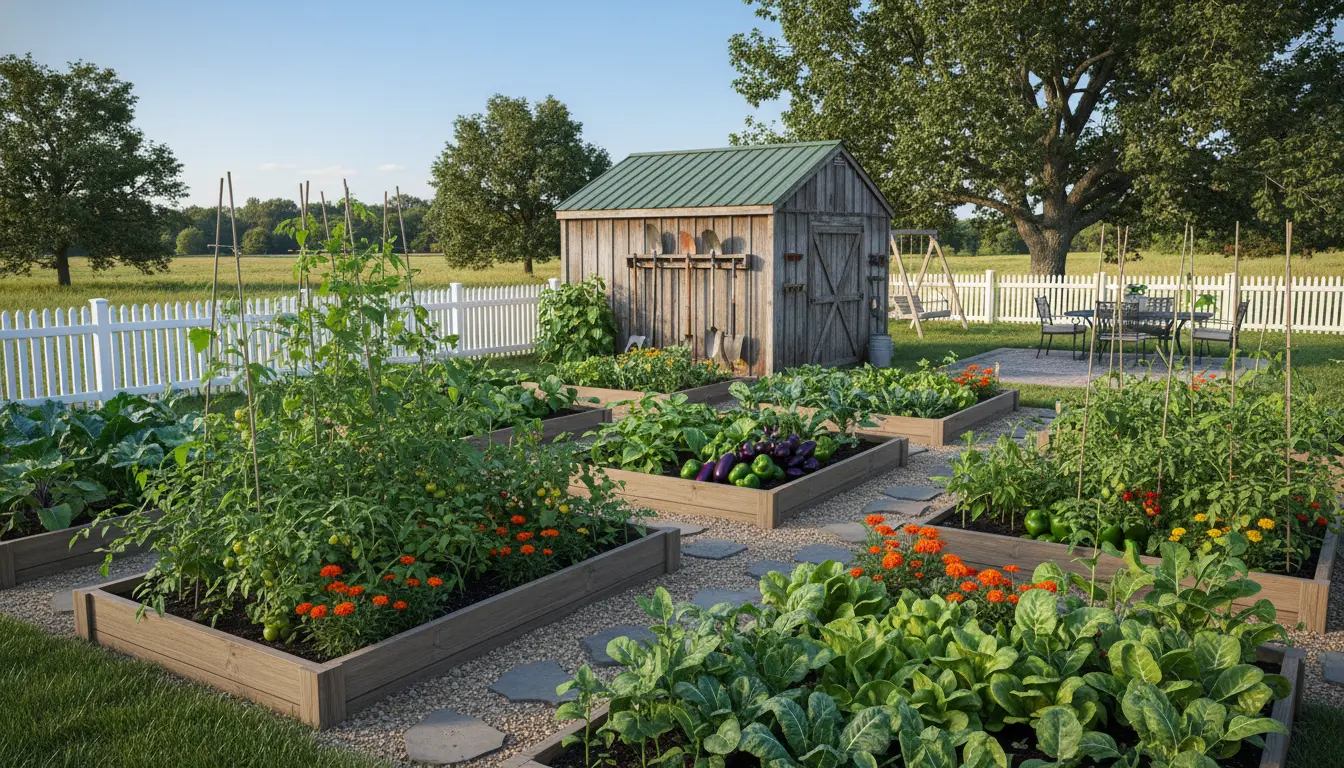
Starting a home vegetable garden is a practical way to grow fresh food, reduce grocery bills, and enjoy outdoor activity. This guide breaks down clear steps you can follow, whether you have a backyard, balcony, or small raised bed.
Plan Your Home Vegetable Garden
Good planning saves time and increases harvests. Begin by choosing a location with at least 6 hours of sunlight per day for most vegetables.

Consider water access, soil quality, and space. Sketch a simple layout to decide bed sizes and plant positions.
Soil and Bed Choices for a Home Vegetable Garden
Healthy soil is the foundation. Test soil pH and texture using a basic kit or local extension service.
If soil is poor, use raised beds or containers filled with a mix of topsoil, compost, and well-draining material.
Choose Vegetables That Fit Your Space

Select easy, high-yield vegetables for the first season. Focus on plants you and your family will eat.
- Leafy greens: lettuce, spinach, Swiss chard
- Root crops: carrots, radishes, beets
- Fast starters: bush beans, cherry tomatoes, cucumbers
- Herbs: basil, parsley, cilantro
Rotate crops each season to reduce disease and nutrient depletion.
Seed vs. Transplants in a Home Vegetable Garden
Seeds are cheaper and offer more variety. Transplants (starter plants) give a faster harvest for tomatoes, peppers, and eggplants.

Start seeds indoors 6–8 weeks before the last frost, or buy quality transplants from a local nursery.
Prepare Soil and Planting
Add organic matter such as compost or aged manure to improve fertility and structure. Work it into the top 6–8 inches of soil.
Plant according to spacing recommendations on seed packets or plant tags. Crowded plants reduce airflow and increase disease risk.
Mulching and Watering Tips
Apply 2–3 inches of organic mulch around plants to retain moisture, suppress weeds, and regulate soil temperature.
Water deeply and infrequently to encourage strong root growth. A general rule is 1–1.5 inches of water per week, adjusted for heat and rainfall.
Manage Pests and Diseases in a Home Vegetable Garden
Preventive steps work best: clean beds, rotate crops, and remove diseased plants promptly.
- Handpick large pests like slugs and caterpillars in the morning or evening.
- Use row covers for early season protection against insects and birds.
- Encourage beneficial insects with flowering companion plants like marigolds and alyssum.
Use organic treatments such as insecticidal soap or neem oil if infestations become severe.
Common Problems and Quick Fixes
- Yellow leaves: Check watering and nutrient levels; add compost or balanced fertilizer.
- Stunted growth: Test soil pH and correct if outside 6.0–7.0 for most vegetables.
- Powdery mildew: Improve airflow and remove affected leaves; use sulfur treatments if needed.
Harvesting and Ongoing Care
Harvest regularly to encourage production. Pick vegetables at peak ripeness for best flavor and storage life.
Keep beds weeded, top up mulch, and add compost between seasons to replenish nutrients.
Companion planting, like growing basil near tomatoes, can improve flavor and reduce pests naturally.
Small Case Study: A Weekend Backyard Conversion
Maria had a 10×12 ft patch of lawn and wanted fresh salad greens and tomatoes. Over one weekend she built two 4×4 raised beds from cedar, filled them with a 50/50 mix of compost and topsoil, and planted lettuce, spinach, cherry tomatoes, and basil.
By midsummer she was harvesting weekly salads. The initial cost was under $200 and produced food worth over $400 that season, plus ongoing enjoyment and learning.
Seasonal Checklist for a Home Vegetable Garden
- Spring: Test soil, prepare beds, start seeds indoors
- Early Summer: Transplant, mulch, set up supports for vining crops
- Late Summer: Water deeply, watch for pests, succession plant for fall crops
- Fall: Harvest, remove spent plants, add compost, mulch for winter
Simple Tools You Need
- Hand trowel and fork
- Pruners and a watering hose or soaker hose
- Soil pH test kit and a wheelbarrow for mixing compost
A home vegetable garden is scalable and adaptable. Start small, learn one season at a time, and adjust plant choices to your climate and taste. With basic planning and regular care, even a compact space can produce a steady supply of fresh vegetables.