
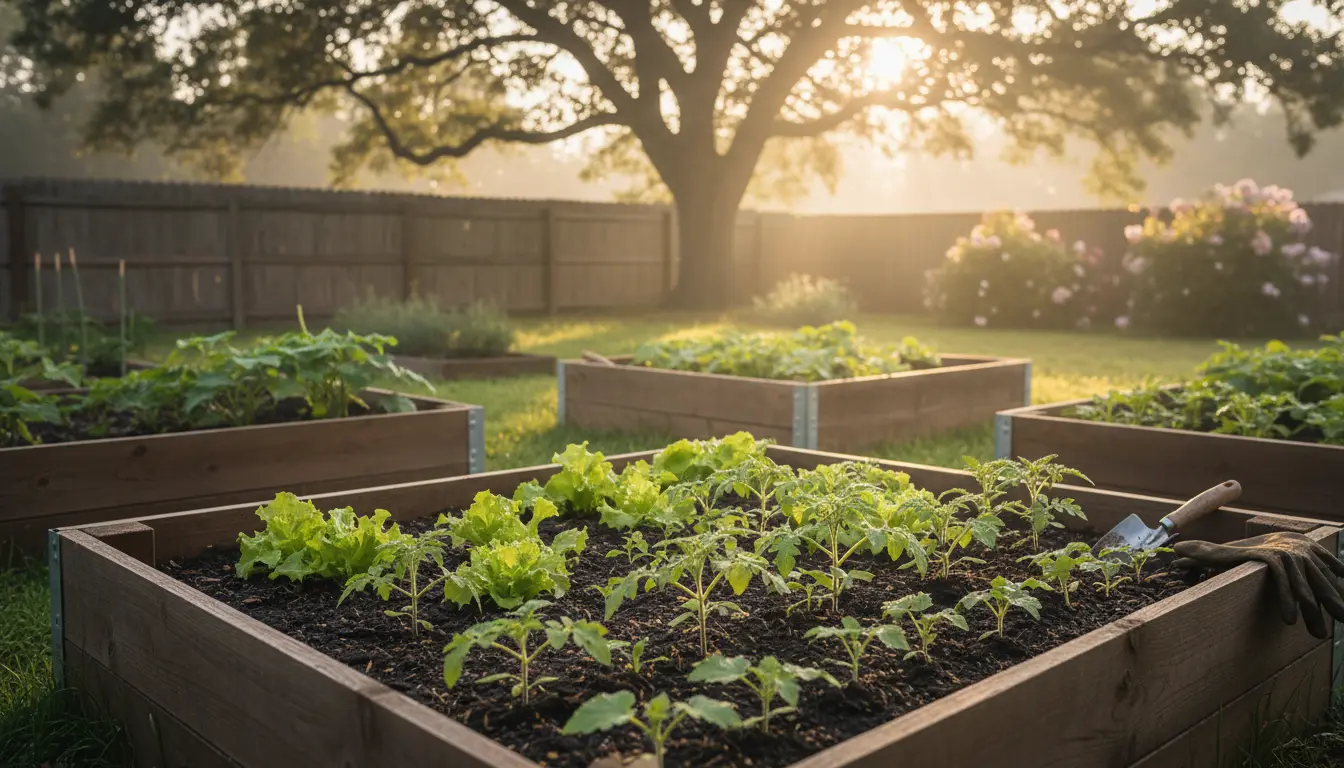
Starting a vegetable garden is achievable with basic planning and simple tasks done in the right order. This guide breaks the process into clear, practical steps you can follow whether you have a small balcony, raised beds, or a backyard plot.
Planning Your Vegetable Garden
Good planning reduces mistakes and increases yields. Begin by assessing space, sunlight, and your available time. Choose a realistic garden size for your schedule.
Choose the Right Location

Select a location that gets at least 6 hours of direct sunlight for most vegetables. Good drainage and proximity to a water source will make daily care easier.
Consider access for maintenance and protection from strong winds. If sunlight is limited, prioritize leafy crops like lettuces and greens that tolerate partial shade.
Decide What to Grow
Start with 4–6 easy, high-reward crops. Pick varieties suited to your climate and season. Beginners often succeed with:
- Tomatoes (containers or beds)
- Leafy greens (spinach, lettuce, Swiss chard)
- Radishes and carrots (root crops in loose soil)
- Beans and peas (easy to trellis)
- Herbs (basil, parsley, chives)

Growing fewer crops well is better than many crops poorly.
Prepare Soil and Beds for a Vegetable Garden
Soil is the foundation of a productive garden. Spend time improving soil structure and fertility before planting.
Test and Improve Soil
Get a basic soil test from a local extension or use a home kit to check pH and nutrients. Most vegetables prefer slightly acidic to neutral pH (6.0–7.0).
Work in organic matter like compost or well-rotted manure to increase fertility and drainage. Aim for a 2–4 inch layer of compost worked into the top 8–12 inches of soil.
Building Raised Beds or Rows
Raised beds warm faster in spring and allow better soil control. Standard bed size is 4 feet wide to reach the center from either side. Build beds with rot-resistant wood, bricks, or simply form mounded rows.
Fill raised beds with a mix of topsoil, compost, and a small amount of sand if drainage is poor. Level the surface and mark planting rows according to seed packet spacing.
Planting and Care for a Vegetable Garden
Planting at the right time and providing consistent care keeps seedlings healthy and productive. Use a planting calendar for your zone.
Seed Starting and Transplants
Start seeds indoors for long-season crops like tomatoes and peppers 6–8 weeks before the last frost. Harden off seedlings by gradually exposing them to outdoor conditions over 7–10 days.
Direct-sow seeds like carrots, radishes, and beans when soil temperatures are appropriate. Follow depth and spacing on seed packets for best results.
Watering and Mulching
Water deeply and less frequently to encourage deep roots. Aim for 1–1.5 inches of water per week including rainfall, adjusting for weather and soil type.
- Water at the base of plants to keep foliage dry and reduce disease.
- Use drip irrigation or soaker hoses for efficiency.
- Apply 2–3 inches of organic mulch to conserve moisture and suppress weeds.
Pest Control and Maintenance
Regular maintenance reduces pest pressure and keeps plants productive. Inspect plants weekly and act on problems early.
Integrated Pest Management
Use a combination of cultural, mechanical, and biological controls before chemical options. Practices include crop rotation, hand-picking pests, row covers, and encouraging beneficial insects.
For persistent pests, choose targeted, low-toxicity treatments and follow label instructions carefully.
Seasonal Tasks
- Spring: soil prep, planting early crops, setting supports for climbers.
- Summer: regular harvesting, pruning tall plants, monitoring irrigation.
- Fall: clear spent plants, compost healthy debris, plant cover crops.
Small Real-World Example
Case Study: A small suburban gardener used two 4×8 raised beds and a sunny 10×10 plot. They started tomatoes, basil, lettuce, and carrots. By testing soil and adding compost, they avoided common nutrient problems.
Using drip irrigation and a simple trellis for tomatoes, the gardener harvested fresh salad greens through spring and continuous tomatoes from midsummer. The focused selection and regular weekly checks reduced pest outbreaks and improved yield.
Tips and Common Mistakes When You Start a Vegetable Garden
- Don’t overplant—crowding reduces airflow and increases disease risk.
- Rotate crops yearly to prevent soil-borne diseases and pests.
- Keep a simple journal: planting dates, varieties, and problems noted help next season.
- Start small and expand after one successful season.
With good care, a small 10×10 foot vegetable garden can produce hundreds of pounds of fresh vegetables in a growing season, depending on the crops chosen.
Starting a vegetable garden is about consistent, simple actions: choosing the right site, preparing healthy soil, planting appropriate crops, and maintaining regular care. Follow these steps and adapt to local conditions to build a productive garden season after season.