
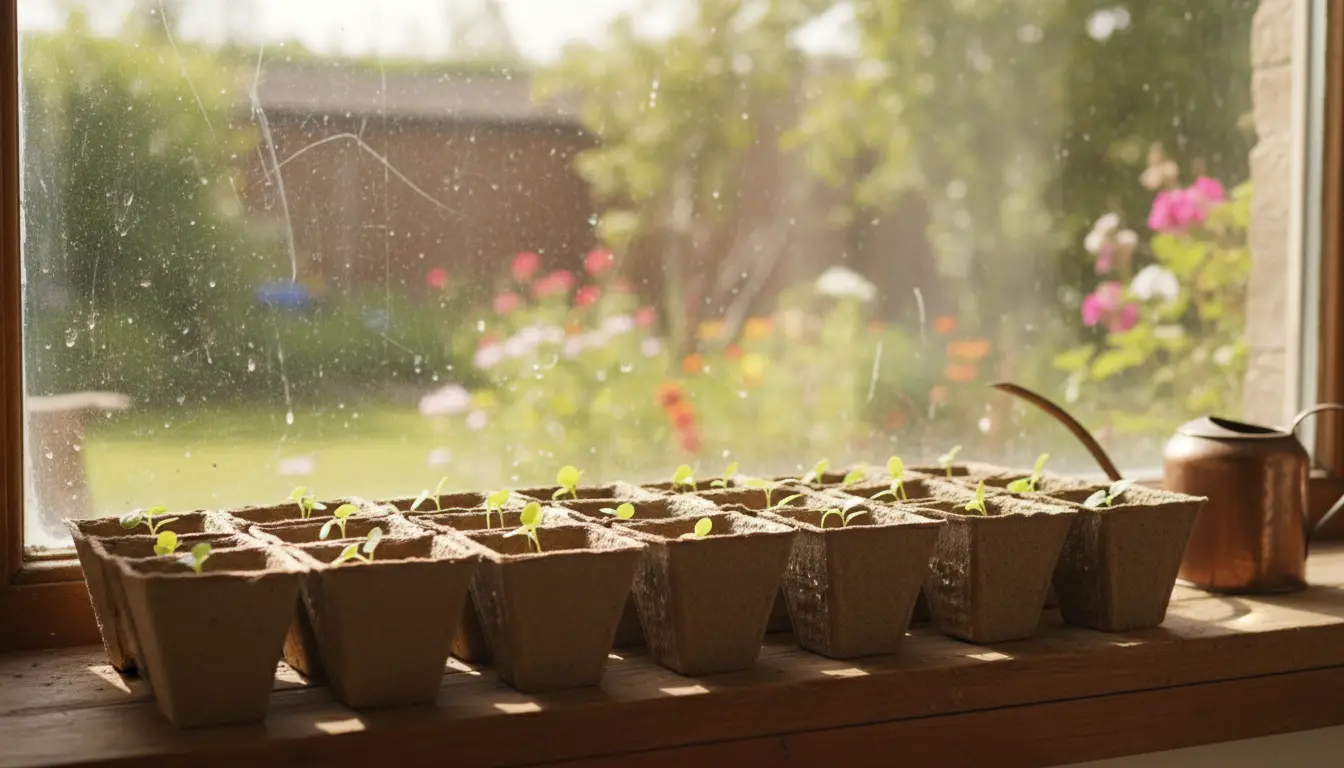
Starting your own vegetable seedlings indoors gives you an earlier harvest and more control over plant quality. This guide covers the essentials: timing, supplies, step-by-step sowing, care, and transplanting. Follow these practical steps to raise strong seedlings that transplant well into your garden.
Why start vegetable seeds indoors?
Starting seeds indoors extends the growing season by weeks for many vegetables, especially tomatoes, peppers, and brassicas. It saves money and lets you select specific varieties not available as transplants at garden centers.

Indoor seed starting also reduces early-season pest and weather stress. You control light, warmth, and moisture for better early development.
When to start vegetable seeds indoors
Timing depends on your last frost date and the crop. Most warm-season crops need 6–8 weeks indoors; cool-season crops need 4–6 weeks. Check seed packet recommendations and count backward from the expected transplant date.
Calculate your start date
- Find your average last frost date (local extension or online).
- For tomatoes and peppers: start 6–8 weeks before transplant date.
- For brassicas (cabbage, broccoli): start 4–6 weeks before transplant.
- For herbs: many are ready in 4–6 weeks depending on variety.
Supplies for starting vegetable seeds indoors
Basic supplies are inexpensive and reusable if handled carefully. Invest in a good light source and seed-starting mix for best results.
Essential items
- Seed-starting mix (sterile, well-draining)
- Seed trays, cells, or small pots
- Clear dome or plastic covers to retain humidity
- Grow lights or a bright, south-facing window
- Heat mat (optional for heat-loving crops)
- Labels, spray bottle, and a gentle hand trowel
Step-by-step: starting vegetable seeds indoors

Follow these steps for a reliable seed-starting routine. Keep activities predictable and observe seedlings daily.
- Fill trays with seed-starting mix. Moisten the mix before filling cells so it is damp but not soggy.
- Sow seeds at the depth listed on the packet. A general rule: plant seeds two to three times as deep as the seed is wide.
- Firm the mix lightly over seeds and cover with a thin layer if needed. Label each row with variety and sowing date.
- Place trays under a clear dome or plastic wrap to maintain humidity until germination.
- Keep trays warm. Most seeds germinate best at 65–80°F (18–27°C). Use a heat mat for peppers and tomatoes if your home is cool.
- Once seeds sprout, remove the dome and move seedlings under grow lights or into bright light. Keep lights 2–4 inches above the tops and run 14–16 hours daily.
- Thin seedlings to one healthy plant per cell if multiple seeds sprouted. Use scissors to snip weaker seedlings at soil level.
- Begin feeding with a half-strength, balanced liquid fertilizer two weeks after true leaves appear.
Watering and care for seedlings
Water from below when possible to encourage strong roots. Place trays in a shallow pan of water and let the soil wick moisture for 10–20 minutes.
Avoid overwatering which causes damping-off disease. Use good air circulation and avoid crowded setups.
Hardening off and transplanting after starting vegetable seeds indoors

Hardening off acclimates seedlings to outdoor conditions gradually. Start the process about 7–14 days before transplant.
- Day 1–3: Place seedlings outdoors in morning shade for 2–3 hours, bring them in before night.
- Day 4–7: Increase outdoor exposure each day and add a few hours of direct sun.
- Day 8–14: Leave seedlings out longer and keep them sheltered from strong wind.
- Transplant on a cloudy day or in late afternoon to reduce shock.
Troubleshooting common problems when starting vegetable seeds indoors
Many beginners face the same issues. Spot the problem early to correct cultural practices.
- Damping-off: thin stems and collapsing seedlings. Use sterile mix, avoid overwatering, and ensure good ventilation.
- Leggy seedlings: stems stretched and weak. Increase light intensity and lower lights closer to seedlings.
- Yellow leaves: overwatering, poor light, or nutrient deficiency. Adjust watering and begin light feeding.
- Pests: check for fungus gnats and aphids. Use sticky traps and avoid standing water.
Many tomato varieties started indoors fruit 2–4 weeks earlier than direct-sown plants. Starting seeds indoors can extend your fresh harvest well into the season.
Case Study: Starting Tomatoes and Peppers in a Small Apartment
Maria, an urban gardener, started 24 tomato and 12 pepper seeds on her windowsill in early March. She used a compact grow light and a small heat mat to maintain 75°F during germination.
She thinned to the strongest seedling per cell and moved seedlings under the light on a 14-hour schedule. At six weeks she began a gradual hardening off routine. By late May she transplanted into containers and harvested ripe tomatoes six weeks later.
Key results: consistent germination, no damping-off, and a two-week earlier harvest than neighbors who started plants later.
Quick checklist before you start seeds indoors
- Confirm last frost date and set sowing dates.
- Gather seed trays, mix, lights, and labels.
- Pre-moisten mix and organize a warm germination spot.
- Plan for a hardening off window 7–14 days before transplant.
Starting vegetable seeds indoors is a manageable skill that rewards careful timing and consistent care. Begin with a few easy crops, keep notes on dates and results, and refine your routine each season. With practice you will raise healthier seedlings and enjoy earlier, tastier harvests.