
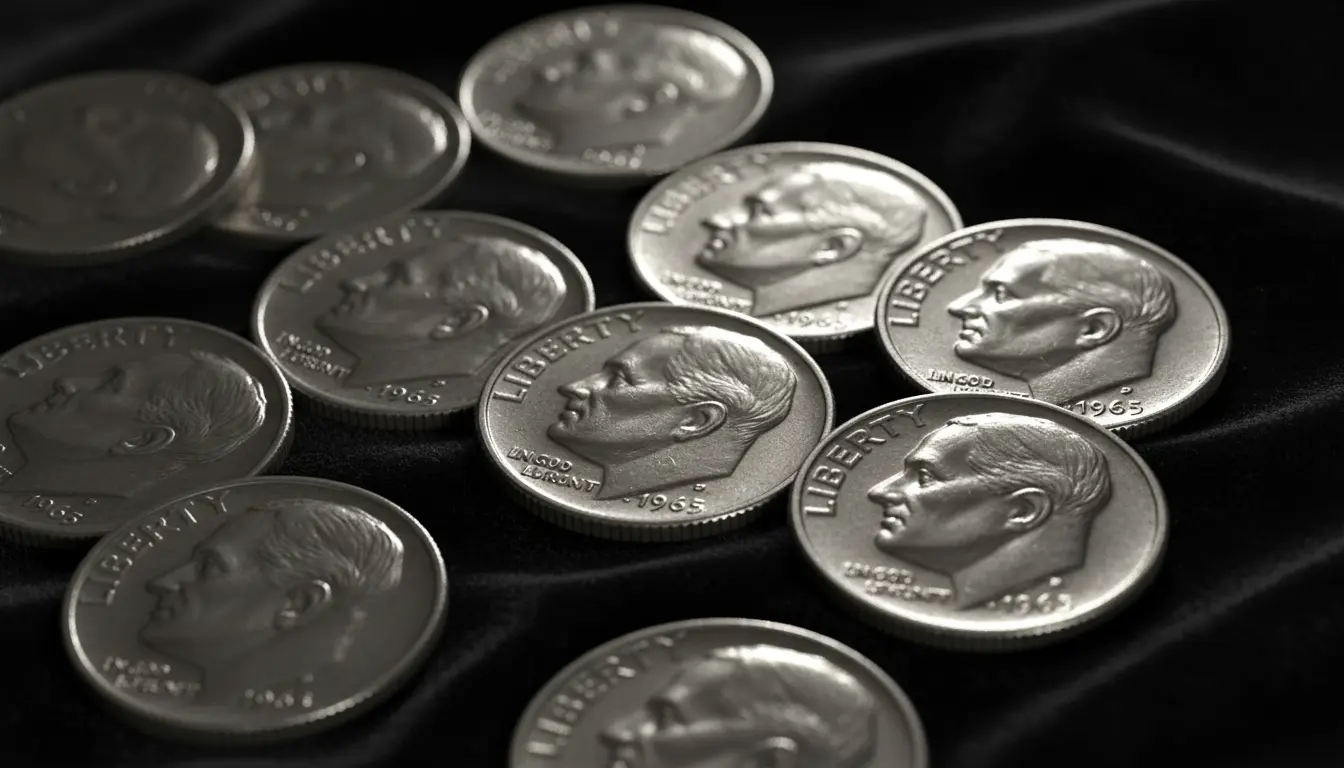
The Roosevelt dime is a staple of U.S. coin collections, but a handful of dates, mintmarks, and errors stand out for their rarity and value. This guide highlights five Roosevelt dimes collectors should know in 2026, how to identify them, and what to do if you find one.
What Makes a Roosevelt Dime Rare?
Rarity comes from low mintage, surviving population in high grade, and notable mint errors. Condition and professional grading also have a major effect on price.

Key factors to check:
- Mintmark and year (San Francisco and Denver issues can be scarce in some years)
- Strike quality and surfaces (high-grade silver dimes are more valuable)
- Obvious mint errors (double dies, off-center strikes, repunched mint marks)
Top 5 Roosevelt Dimes to Watch in 2026
1. 1949-S Roosevelt Dime (Silver)
San Francisco mint issues from the late 1940s often have lower surviving populations in higher grades. A well-preserved 1949-S in MS or high AU grade is harder to find and draws attention from collectors of silver Roosevelt dimes.
What to look for: A clear ‘S’ mintmark on the reverse below the torch and good luster on fields and devices.
2. 1950-S Roosevelt Dime (Silver)

Like the 1949-S, the 1950-S can be scarce in high grades. These coins are fully silver and, when well struck, can command premiums over common dates.
Tip: Examine the strike on Roosevelt’s portrait and the torch details; weakly struck examples are less desirable.
3. Notable Doubled Die and Die Variety Dimes
Doubled dies and other die varieties create collector demand. Doubling on the obverse (especially on the legend or date) significantly raises interest when it is clearly visible.

Common signs of a doubled die:
- Letters or numbers with clear, separated doubling
- Doubling on multiple letters or the date
4. 1964 Special Mint Set (SMS) Roosevelt Dime
Special Mint Sets from the mid-1960s include prooflike or satin-finish dimes that differ from circulation strikes. High-grade SMS dimes with original surfaces are collectible and can be more valuable than typical business strikes of the same year.
How to identify SMS: Look for mirror-like or satiny fields and sharper devices than regular business strikes.
5. Major Mint Errors (Off-Center, Repunched Mint Marks, Cuds)
Error coins are popular because they are unique. Off-center strikes, repunched mintmarks (RPMs), and die breaks can significantly increase a dime’s value depending on severity.
Examples of error features:
- Off-center: Part of the design missing; severity usually measured in percent off-center
- Repunched mint mark: Visible secondary mintmark impressions
- Cuds and die breaks: Raised, blob-like formations near rims or devices
How to Inspect and Authenticate Rare Roosevelt Dimes
Follow a practical inspection workflow before assuming a dime is valuable. Start with a loupe (10x), good lighting, and a reference guide or reputable online database.
- Check date and mintmark location and style carefully.
- Compare suspected errors to reference photos for known varieties.
- If the coin appears valuable, get it slabbed and graded by a reputable service (PCGS, NGC).
Basic Valuation Tips
Value depends on grade and rarity. Circulated examples of the rarer dates can still be affordable, while certified high-grade pieces command big premiums.
Factors that affect price:
- Grade (MS/PR levels increase value)
- Market demand for that specific variety
- Authenticity and provenance
Real-World Case Study: Finding Value in a Small Town Roll
A collector in a rural area bought circulated bank rolls of Roosevelt dimes during a cleanout. One roll contained a San Francisco-marked dime that showed sharper detail and attractive toning. After preliminary research and a professional grade recommendation, the collector had the coin authenticated and then sold it to a specialist dealer.
Takeaway: Common sources like rolls, estate lots, and pocket change still yield valuable finds. Proper inspection and grading turn a casual discovery into a confirmed collectible.
Selling and Protecting Your Dime
If you find a potential rarity, do not clean, polish, or attempt to alter the coin. Cleaning destroys numismatic value. Place the coin in a soft holder and seek professional grading for high-value pieces.
Where to sell:
- Reputable coin dealers and local shops
- Specialist auction houses for rare or high-grade coins
- Online marketplaces, but verify buyer credibility and offer secure payment
Final Checklist for Collectors
- Learn key Roosevelt dime dates and mintmarks, focusing on San Francisco and notable varieties.
- Use a loupe and references before seeking grading.
- Preserve original surfaces—do not clean suspected rarities.
- When in doubt, consult a reputable dealer or third-party grading service.
Knowing what to watch for in 2026 helps you spot potential value and avoid common mistakes. Focus on condition, mintmarks, and clear error features, and always research before buying or selling.