
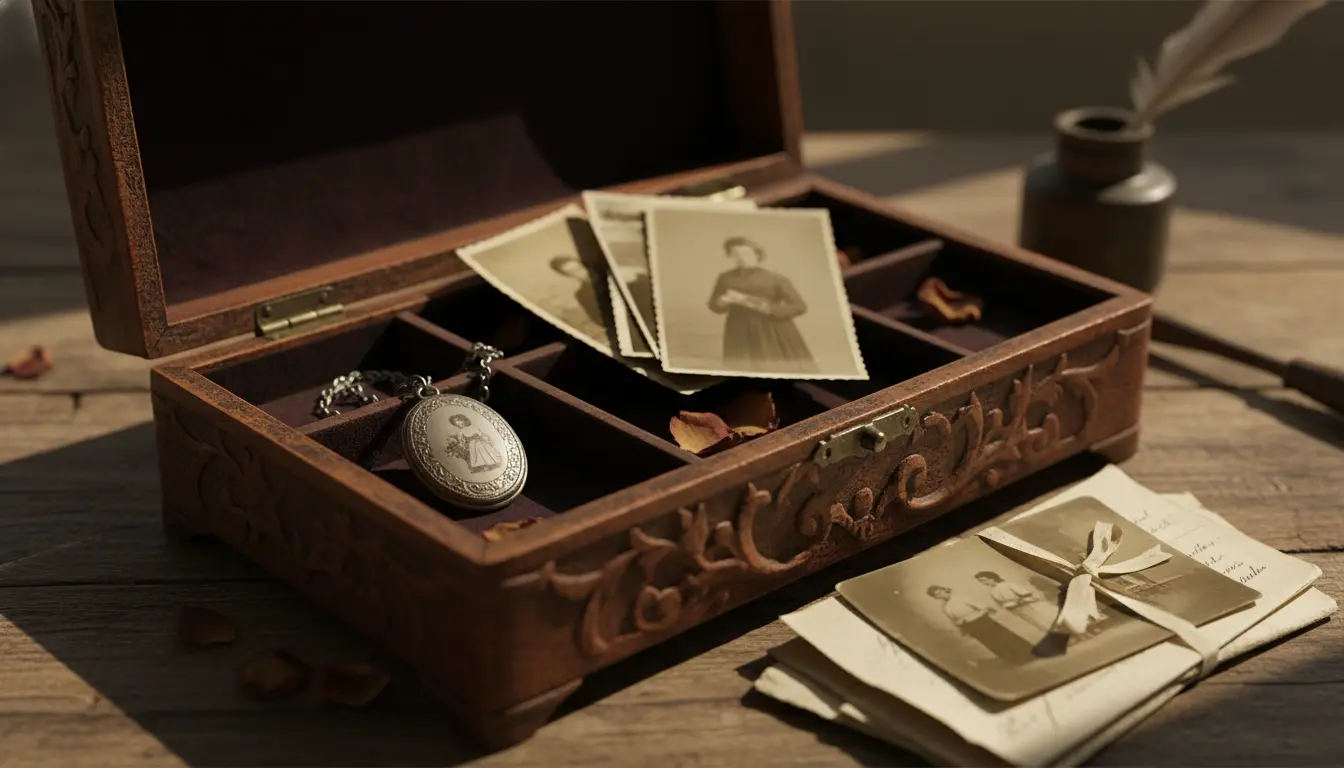
Why search for an heirloom
Finding a family heirloom connects you to your past and preserves stories for future generations. A discovered item can change how a family remembers an ancestor and what they teach younger members.
Steps to Uncover a Heartwarming Heirloom
Begin with a clear plan: where to look, who to ask, and how to record what you find. Organized searching saves time and avoids accidental damage to fragile items.
1. Talk to family members first

Interview relatives about items they remember, where boxes or trunks were stored, and any family customs that involved keepsakes. Ask for names, dates, and any stories tied to particular objects.
2. Search likely locations methodically
Work through attics, basements, closets, and old storage trunks. Check inside books, between mattresses, and in labeled boxes; many heirlooms are tucked inside everyday objects for safekeeping.
3. Handle items carefully
Use cotton gloves for fragile or tarnished metals and support fragile fabrics with both hands. Avoid harsh cleaning until you identify materials and value, since improper cleaning can cause irreversible damage.
4. Document everything

Photograph items from multiple angles and write notes about inscriptions, maker marks, or unique features. Use a simple spreadsheet or notebook to record where and when each item was found.
Tools to Help You Uncover a Heartwarming Heirloom
Having basic tools makes investigation easier and safer. Many items reveal their story once examined with the right aids and references.
- Soft brushes and cotton gloves for handling
- Magnifying glass to read small hallmarks and inscriptions
- Camera or smartphone for detailed photos
- Notebooks, labels, and archival-quality storage boxes
Research resources
Online archives, local historical societies, and genealogy sites help identify maker marks, dates, and family connections. Museum and library collections can clarify how to preserve particular materials.
How to Identify the Story Behind an Heirloom

Identification combines physical clues and documentary research. Small details often unlock large parts of a story.
- Check inscriptions for names and dates—these can link to birth, marriage, or death records.
- Look for hallmark stamps on silver or maker marks on jewelry and watches.
- Examine construction and materials to estimate age and origin.
Practical research steps
Compare photos of your item with museum catalogs or online databases to find matches. Contact local experts or appraisers if you suspect high value or need specialized cleaning.
Preserve and Store Your Heirloom Safely
Appropriate care ensures an heirloom lasts. Different materials need different treatment to avoid deterioration.
- Store textiles flat and in acid-free tissue paper to prevent creasing and yellowing.
- Keep metals dry and wrapped in tarnish-resistant cloth; avoid household cleaners.
- Frame paper items behind UV-protective glass and use archival matting.
Labeling and long-term plans
Label items with context, not just ownership details. Create a care plan and decide whether to keep items at home, transfer them to a museum, or digitize them for broader sharing.
Share the Story
Preserving the narrative is as important as preserving the object. Document oral histories, photos, and provenance to accompany the item for future family members.
- Create a digital archive with scanned documents and cataloged photos.
- Record short audio or video interviews with relatives who remember the item.
- Write a one-page summary linking the heirloom to family events or traditions.
Case study: A small locket that told a big story
When cleaning an attic trunk, a family found a tarnished locket with initials and a tiny photograph inside. They photographed the item, recorded the inscription, and asked older relatives about the initials.
Using census records and a local archive, they identified the person in the photograph as a great-grandmother who emigrated in 1910. The locket’s inscription matched a marriage record, confirming the story and sparking new interest in the family timeline.
When to Consult a Professional
Some items require expert attention to prevent damage or to confirm authenticity. An appraiser, conservator, or archivist can provide assessment and treatment recommendations.
- Suspected high-value antiques or jewelry
- Fragile textiles, water-damaged paper, or corroded metals
- Items with unclear or potentially significant historical context
Final checklist to uncover and protect your heirloom
Follow a clear routine to make your search effective and responsible. A checklist helps maintain consistency across items and family members.
- Ask family members and record oral histories.
- Search methodically and handle items with care.
- Document with photos and notes, then research marks and inscriptions.
- Store in archival materials and plan for long-term care.
- Share the story and consider professional help when needed.
By following these steps, you can uncover a heartwarming heirloom, preserve its condition, and keep its story alive for the next generation. The process is practical, repeatable, and deeply rewarding when a simple object reconnects a family to its past.