
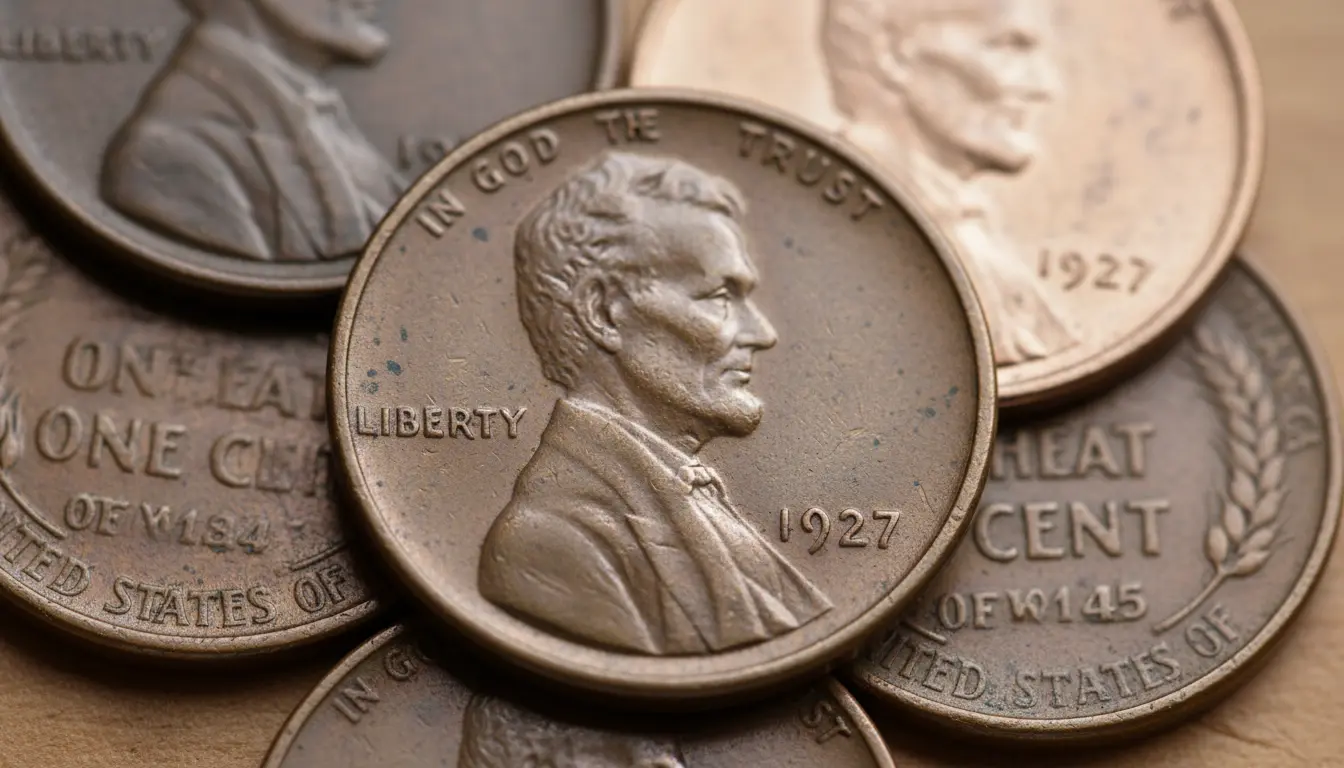
Unlocking the Worth of Lincoln Wheat Pennies: Quick Overview
Lincoln Wheat Pennies are a prime target for new and experienced collectors. This year-by-year hunter’s handbook explains what to look for, how values change by date and mint, and practical steps to authenticate and sell coins.
Why Use a Year-by-Year Hunter’s Handbook for Lincoln Wheat Pennies
A systematic, year-by-year approach helps you spot rare varieties and condition-sensitive values. Small differences in mint marks, die errors, and circulation wear can change a coin’s value dramatically.
Year-by-Year Value Factors for Lincoln Wheat Pennies

Each Lincoln Wheat Penny must be judged by date, mint mark, strike type, and condition. Keep these factors in mind when hunting coins or sorting boxes.
- Date and mint mark rarity (e.g., 1909-S VDB, 1914-D)
- Condition and grading (Wear grades like Good, VG, Fine, AU, MS)
- Strike quality and die errors (doubled die, repunched mint mark)
- Metal composition anomalies (1943 copper planchets are notable)
How to Inspect Lincoln Wheat Pennies Year by Year
Adopt a consistent inspection routine. Use good light, a magnifier, and a soft tray to avoid damage. Check for mint marks at the reverse near the rim and observe the date closely.
Work through coins by decade to speed comparison. Knowing common problem dates reduces wasted time and highlights likely valuable finds.
Tools and Techniques for Hunters
- 10x magnifying loupe
- Soft gloves and a padded tray
- Reference guide or app with year-by-year values
- White balance light or daylight lamp to reveal strike details
Key Dates and What Makes Them Valuable

The following list highlights examples of high-interest year-by-year items to watch for while hunting Lincoln Wheat Pennies.
- 1909-S VDB — early Lincoln cents with designer initials and San Francisco mint mark.
- 1914-D — low mintage Denver-issue, especially in high grade.
- 1922 (no D) — weak-struck Denver pieces without a visible mint mark.
- 1931-S — lower mintage San Francisco issue with collector demand.
- 1943 Bronze — extremely rare wartime bronze planchets among steel cents.
Practical Grading Tips for Lincoln Wheat Pennies
Condition drives value. Small details like the presence of full wheat stalks, hairlines on Lincoln’s profile, and lack of rim nicks matter. Learn to distinguish circulation wear from post-mint damage like scratches or cleaning.
- Good (G) to Fine (F) — heavy wear, date often readable but soft.
- About Uncirculated (AU) — light wear on the high points.
- Mint State (MS) — no circulation wear; luster and strike preserved.
Authentication and Grading Steps

When you suspect a valuable find, follow these steps: document, preserve, authenticate, and then consider grading. Proper handling and expert verification protect both value and warranty.
- Take clear photos of obverse, reverse, and any anomalies.
- Keep the coin in an inert flip or hard case to prevent damage.
- Consult a reputable coin dealer or third-party grading service (PCGS, NGC, ANACS).
- Obtain certification if the coin is a potential high-value piece.
Selling Lincoln Wheat Pennies: Practical Advice
Decide whether to sell raw or slabbed. Slabbed (graded) coins usually earn higher prices but incur grading fees. Local dealers offer quick sales; auctions and specialist dealers may return higher results for rare pieces.
Keep clear provenance and grading reports—these build trust and support asking prices in online and live auctions.
Typical Market Channels
- Local coin shops and shows
- Online marketplaces and auction houses
- Specialist dealers for high-grade or error coins
Small Case Study: From Pocket Change to Authentication
A collector named Maria sorted coins from an estate box and found a well-struck 1943 penny that did not look like the steel cents around it. She documented the coin, placed it in a holder, and took it to a local numismatist.
The expert suspected a bronze planchet. Maria sent high-resolution photos to a grading service and then shipped the coin for authentication. The coin was authenticated as a bronze 1943 planchet and later sold at auction after professional grading. The process took patience and proper documentation, which preserved value.
Year-by-Year Hunting Checklist
Use this checklist while hunting through rolls or change to save time and improve success.
- Scan dates quickly; flag anything before 1959.
- Note mint marks: D, S, and absence of mark for Philadelphia.
- Inspect rims and hairlines for doubling or errors.
- Set aside suspects for further inspection and photographs.
Conclusion: Consistency and Patience Pay Off
A year-by-year hunter’s handbook approach helps collectors focus on the most promising Lincoln Wheat Pennies. Learn the key dates, use good tools, authenticate when needed, and pick your selling route carefully.
With practice, you will move from casual sorting to informed hunting and potentially find coins that are more valuable than their face value.