
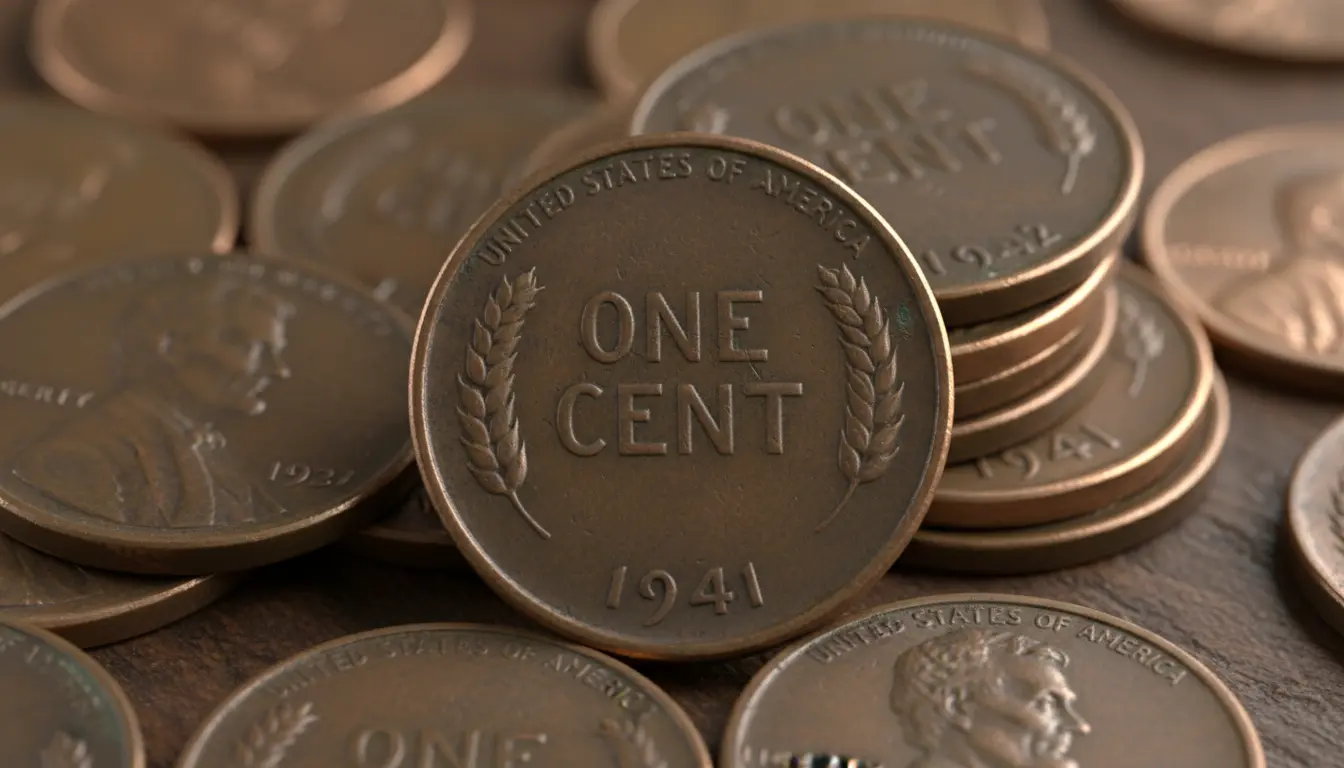
Overview of Wheat Penny Markets 2015–2025
Wheat pennies (1909–1958) have remained a core item for collectors and casual finders. Over the past ten years, values have moved unevenly: common dates stayed inexpensive while high-grade and key-date coins saw stronger demand.
This article explains the main value drivers, recent trends from 2015–2025, and practical advice for collectors and sellers.
The Value of Wheat Pennies in the Past 10 Years: Key Trends

From 2015 through 2025, three broad trends shaped values: steady interest in long-term key dates, grading-driven price jumps, and increased online sales activity. These trends interacted to push prices for scarce and high-grade pieces higher while leaving common, circulated pennies near face value.
Demand for Key Dates and High Grades
Collectors continued to pay premiums for well-known keys such as the 1909-S VDB, 1914-D, and 1931-S. High grades (MS65 and above) for many dates became harder to find, and those examples often showed consistent price appreciation.
Role of Online Marketplaces and Auctions
Online platforms increased price transparency and competition. Small sellers and large auction houses both influenced realized prices, making it easier to track recent sales and see market momentum.
Metal and Economic Influence

Copper price movements created occasional interest in melt value for pre-1982 copper cents, but melt value rarely became the main driver for collectible wheat pennies. Collectibility, grade, and rarity remained primary value factors.
What Determines Value: Practical Factors
When assessing wheat pennies, several predictable factors matter. Understanding each helps you estimate realistic values and decide whether to buy, sell, or hold.
- Date and mint mark: Some years and mints produced far fewer coins, raising scarcity.
- Condition (grade): Uncirculated and high-MS grades are worth substantially more than circulated pieces.
- Eye appeal: Luster, color, and absence of damage raise prices within a grade.
- Errors and varieties: Struck-throughs, repunched mint marks, and die breaks can attract premiums.
- Market demand: Popularity among collectors and trends on major sites can quickly change realized prices.
How Prices Moved: Examples and Ranges
Common circulated wheat pennies often traded for a few cents to a few dollars depending on condition. Mid-range examples in better condition could sell for $5–$50. Key dates and certified high-grade coins frequently sold for hundreds to tens of thousands, depending on rarity and grade.

These ranges are useful as a practical guideline rather than precise appraisal. Always check recent realized sales for exact prices.
Wheat pennies were produced from 1909 to 1958 and are called “wheat” pennies because of the wheat stalks on the reverse. Collectors often focus on mint mark and condition to determine value.
Practical Tips for Sellers and Buyers
Whether you are downsizing a collection or starting one, a few practical steps will help you get fair value and avoid common mistakes.
- Use recent sold listings on auction sites to set price expectations.
- Get potentially valuable coins slabbed by a reputable grading service before listing to reach serious buyers.
- Store coins in acid-free holders away from humidity and direct sunlight to preserve grade.
- Avoid accepting low offers without research; small dealers may offer convenience but at a discount.
How to Inspect a Wheat Penny
Check for clear date and mint mark visibility first. Look at the rims, fields, and high points for wear patterns. Note any scratches, cleaning marks, or corrosion before deciding on a sale route.
Case Study: A Small Real-World Example
In a practical example, a collector in 2021 uncovered a 1919-S wheat penny in very nice circulated condition. After consulting recent sales and having the coin photographed, the collector listed it on an auction site.
The coin sold within two weeks to a dedicated buyer at a price consistent with similar circulated but desirable mint-marked examples. The seller credited careful listing, clear photos, and referencing recent comparable sales for the good outcome.
When to Consider Professional Grading
Professional grading is often worth the cost when you suspect a coin is a key date, an error, or potentially in the high uncirculated grades. Grading provides buyer confidence and tends to increase final sale prices for premium pieces.
Checklist Before Grading
- Research comparable graded sales for the same date and grade range.
- Estimate potential resale value after grading fees and shipping.
- Only submit coins that appear to be significantly better than common circulated examples.
Final Takeaways on the Value of Wheat Pennies in the Past 10 Years
Between 2015 and 2025 the wheat penny market showed predictable collector-driven patterns. Common dates remained inexpensive, while scarcity, condition, and grading pushed premiums for desirable pieces.
For collectors and sellers, the best approach is practical: research recent sales, protect coin condition, and use grading when the expected premium outweighs costs. That strategy will maximize returns while minimizing surprises.