
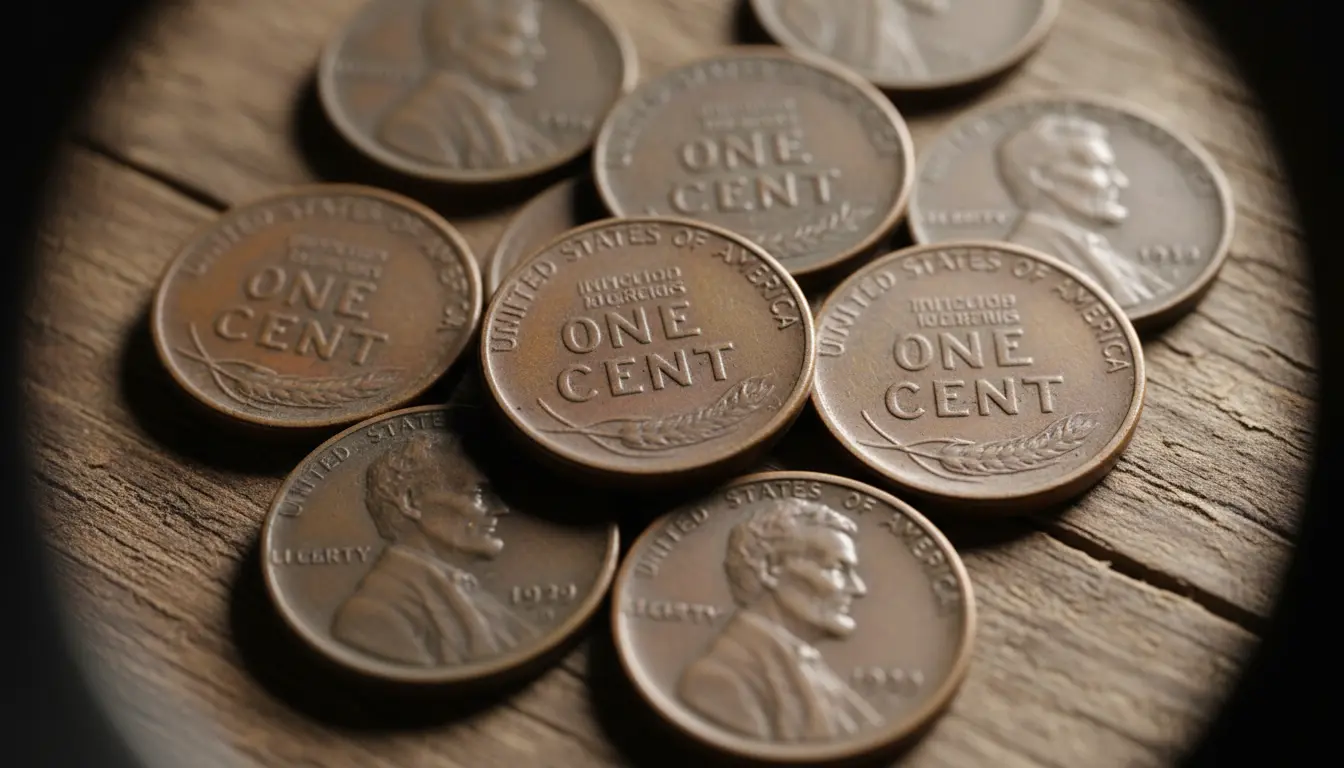
Wheat Penny Price Guide 1909–1958
Wheat cents struck from 1909 to 1958 are a cornerstone of U.S. coin collecting. This guide summarizes typical market values, explains how grade affects price, and offers practical tips for buying and selling.
How this guide helps collectors
Use this article to quickly identify key dates and expected price ranges. It focuses on commonly collected dates, condition categories, and realistic market insights for both beginners and intermediate collectors.
Complete Collector’s Value Chart

Below is a condensed chart showing representative retail values for several key wheat penny categories. Values are approximate and assume the coin is unrestored and correctly attributed.
| Type / Date | Good (G) | Fine (F) | Uncirculated (MS) |
|---|---|---|---|
| Common Dates (1930s–1958) | $0.05–$0.30 | $0.50–$2 | $5–$25 |
| Semi-Key Dates (1910s–1920s) | $0.50–$2 | $5–$25 | $30–$200 |
| 1909 VDB / 1909-S | $50–$300 | $300–$2,000 | $2,000–$20,000+ |
| 1914-D | $50–$200 | $200–$1,200 | $1,200–$10,000+ |
| 1922 No D (High Relief Varieties) | $20–$100 | $100–$500 | $500–$3,000 |
| 1943 Copper (error) | Varies widely | Varies widely | Varies widely (rare) |
| 1955 Doubled Die (Obv.) | $200–$800 | $800–$4,000 | $4,000–$30,000+ |
Note: These ranges are broad. Certification, strike quality, and market demand all affect price. For precise values, consult recent auction results for the exact grade and attribution.
How Grade Affects Wheat Penny Price
Grading drives value. The same date can be worth pennies in low grade and thousands if certified at a high Mint State level.
- Good (G–VG): Heavy wear, details flattened. These are common and inexpensive.
- Fine to Extremely Fine (F–EF): Clear details and moderate wear. Values increase substantially from Good.
- Uncirculated (MS60–MS65+): No wear; luster and strike quality matter. Prices jump sharply with each grade step.
Grading tips

Examine fields for scratches, check color and luster, and compare details like Lincoln’s hair and the wheat stalks. If in doubt, use third-party grading for high-value coins.
The Wheat penny reverse design was used from 1909 until 1958. It was replaced in 1959 by the Lincoln Memorial reverse, which continued through 2008.
Key Dates and Varieties to Watch
Some wheat cents are particularly valuable because of low mintage, mint errors, or famous doubled dies. Focus on these if you want investment-grade pieces.
- 1909-S and 1909-S VDB — early low-mintage strikes.
- 1914-D — recognized key date with modest mintage.
- 1922 varieties and weak or missing mintmarks — specialist interest.
- 1943 copper cents — extremely rare mint error in a zinc-steel production year.
- 1955 Doubled Die Obverse — one of the most famous modern doubled dies.
Authentication and grading

High-value wheat cents often need third-party grading (PCGS, NGC, ANACS). Authenticity checks reduce risk and usually increase market value.
Market Insights and Selling Strategy
Market demand shifts over time. Condition-conscious collectors and investors target high-grade and certified pieces. Low-grade coins are best sold in bulk or as lots.
When selling:
- Get several price opinions and consider auction records for similar grades.
- Use certification for coins above a few hundred dollars to reach more buyers.
- For common-date bulk, coin dealers or local shows provide quick liquidity.
Where to buy
Buy from reputable dealers, supervised shows, or well-rated online dealers. Verify return policies and ask for high-resolution photos before purchase.
Short Case Study: Practical Buying and Selling
A collector bought a lightly circulated 1941 wheat cent at a local coin shop for $6. The coin showed strong detail and original color, so the collector submitted it for basic authentication.
After confirming the date and verifying the strike, the collector listed it online. Because demand for clean mid-century uncirculated coins was steady, the seller secured $35 within two weeks. The net profit covered grading costs and a modest return on time invested.
This simple case shows that even modestly priced wheat pennies can be profitable when purchased cheaply, authenticated, and sold to the right market.
Final Checklist for Collectors
- Learn to recognize key dates and common errors.
- Check for cleaning or damage — restoration hurts value.
- Use third-party grading for high-value coins.
- Compare recent auction results before pricing a sale.
Wheat pennies remain accessible entry points for new collectors and offer deep specialization for advanced numismatists. Use this guide as a starting point and consult current market listings for exact prices.