
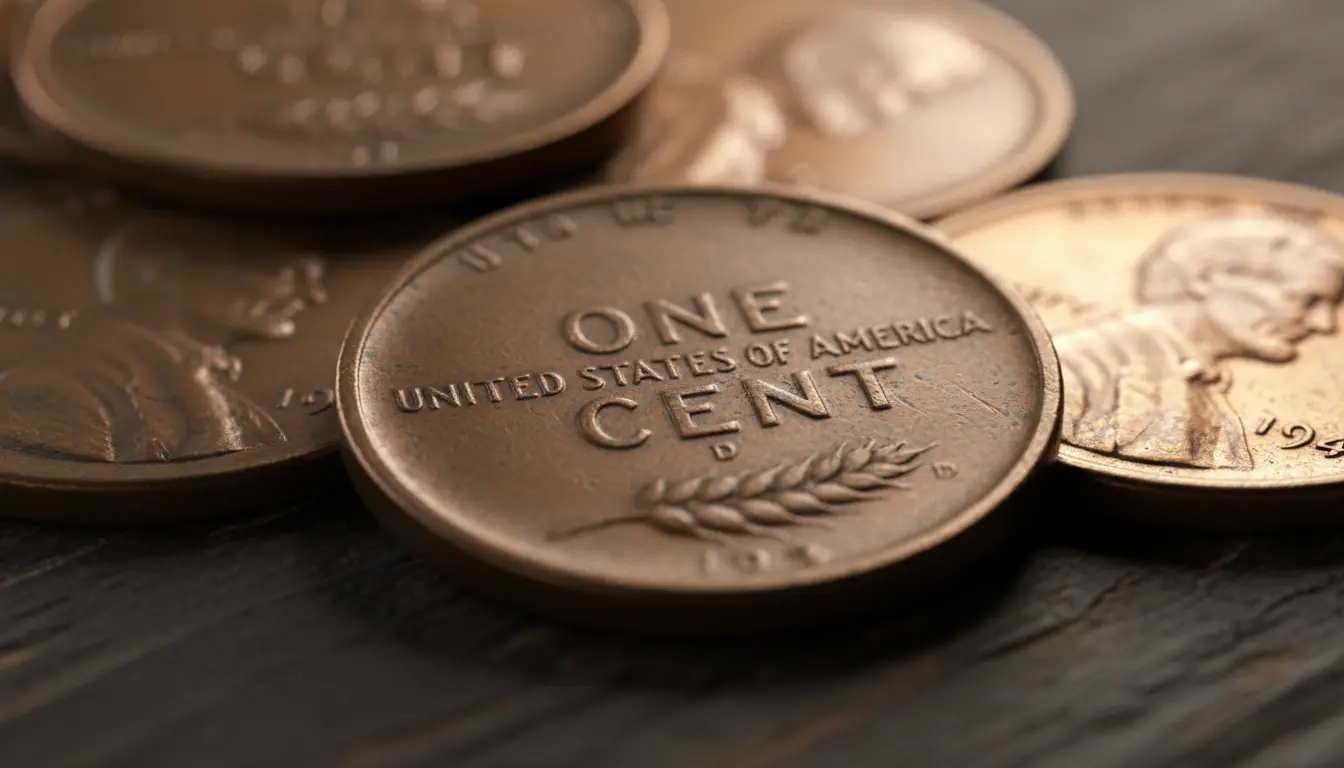
Wheat pennies remain a core interest for collectors and casual sellers. Over the last decade their values have shifted based on condition, rarity, grading, and market demand.
Wheat Penny Values in the Last 10 Years: Overview
From roughly 2015 to 2025, Wheat Penny prices showed modest long-term growth for common dates and stronger gains for key dates and error coins. Market peaks were driven by collector interest, auction highlights, and the broader collectibles market.

Rare dates and major errors consistently outperformed common issues. Condition and professional grading became more important as buyers paid premiums for certified examples.
Major Factors Driving Value Changes
Condition and Grading
Professional grading (PCGS, NGC) often adds measurable value. Over the last decade, certified high-grade Wheat pennies sold more reliably and at higher prices than raw coins.
Even modest grade differences (e.g., AU to MS) can change a sale price noticeably for popular dates.
Key Dates and Rarities

Key dates—like 1909-S VDB, 1914-D, 1922 Plain, 1931-S, and classic doubled dies—kept strong demand. When well-graded examples appear at auction, they can set short-term pricing benchmarks that influence private sales.
Market Trends and Collector Interest
Collectible markets tightened and loosened with general economic sentiment. In years when hobby interest rose, mid-tier coins often saw better returns. Social media and online marketplaces also expanded the buyer pool.
Economic and Auction Influences
Auction records and headline sales occasionally pushed values higher for specific types. Conversely, when collectible demand softened, common circulated coins largely stayed within a narrow price band.
How Values Changed for Common Versus Rare Wheat Pennies

Understanding broad categories helps you set expectations when buying or selling.
- Common circulated dates: Usually worth face value to a few cents in average condition. Over the last 10 years their resale values were relatively stable.
- Uncirculated common dates: Often range from about $1 to $20 depending on grade and demand. Prices nudged upward for higher graded coins.
- Key dates and mint errors: Can range from hundreds to thousands of dollars, and major auction pieces can exceed that. These showed the most growth and volatility over the last decade.
Practical Price Range Examples
Use these conservative examples to gauge a coin’s relative position. Exact prices vary with grade, provenance, and time of sale.
- Common circulated Wheat penny (20th century common date) — typically a few cents to $0.50.
- Uncirculated common (MS60–MS63) — generally $1 to $15.
- Well-known key dates in lower grades — often $100s.
- High-grade rare pieces or major errors — can reach $1,000s or more.
Where to Check Real-Time Values
Accurate tracking combines published guides and live sales data. Use multiple sources before pricing a coin.
- Professional grading services: PCGS, NGC price guides and auction archives.
- Auction houses: Heritage, Stack’s Bowers for headline sales and realized prices.
- Online marketplaces: eBay completed listings provide current retail activity.
- Reference sites: Numismatic price guides and collector forums for context and comparables.
Selling or Buying Wheat Pennies: Practical Tips
Simple steps reduce risk and improve outcomes when trading Wheat pennies.
- Grade or authenticate valuable coins with a respected service before sale.
- Research recent realized prices for comparable grade and variety.
- Consider auction consignment for rare coins; use local dealers for common pieces if you want convenience.
- Keep clear photos and provenance for online listings to attract serious buyers.
Wheat cents were produced from 1909 to 1958. Collectors often group them by key dates and mintmarks; some error coins from this era command significant premiums today.
Real-World Example
Case study: A collector discovered a high-grade 1955 doubled die obverse in an old accumulation. They submitted the coin to a professional grader, received an MS grade, and consigned it to an established auction house.
The sale achieved a price substantially higher than typical online listings for raw examples. The difference reflected certification, grade, and the auction’s marketing reach—showing how preparation and venue can affect final value.
Summary and Quick Action Steps
Over the last 10 years Wheat Penny values showed steady interest for common coins and stronger gains for rarities and errors. Condition, grading, and sales venue mattered more than ever.
Quick checklist:
- Identify and research the date and mintmark.
- Compare recent realized prices for similar grades.
- Consider professional grading for high-value coins.
- Choose the right sales channel: auction for rarities, marketplace for common pieces.
Following these practical steps will help you assess Wheat Penny values accurately and make better buying or selling decisions in today’s market.